Topics
The threads we keep following, each one gathering every story and every debate we have published on it.

Eight Tunisian prisons give a detainee no more than 2 square metres, the state is answering the overcrowding with new buildings and pardons, and the Tunisian League for Human Rights, which published that figure, says it is no longer let in. Over July and August 2026 rights groups counted deaths in the prisons during a heatwave, and no official figure exists. A fourth pardon followed on 13 October, 2,288 people, and on 15 October a man held over a TikTok video died after being moved from prison to hospital in Tunis, with no official account of why.
The public argument in Tunisia is about Decree-Law 54, whose article 24 was rewritten on 30 September 2026 to replace five years in prison with a fine. Both journalists sentenced to prison in 2026 were convicted under a different law, article 86 of the Telecommunications Code, which the amending decree does not touch.

In a first estimate, Tunisia's statistics institute put growth at 2.3 per cent in the second quarter of 2026 against the same quarter of 2025, and services and agriculture carried most of it: industry as a whole managed 0.3 per cent and mining fell 9.6. In October the government cut its own forecast for the year from 3.3 per cent to 2.7.

The clinics said in late September that Tunisia's health insurance fund had not settled their bills for eight months, and the pharmacy owners' union put the fund's arrears to retail pharmacies above 200 million dinars in January 2026. On 30 October that union announced it would stop billing the fund from 1 November, and the government froze the pharmacies' reimbursements in return. Young hospital doctors, who are owed by the state rather than by the fund, declared a one-day strike for 20 November and called it off on 19 November, after payments began.
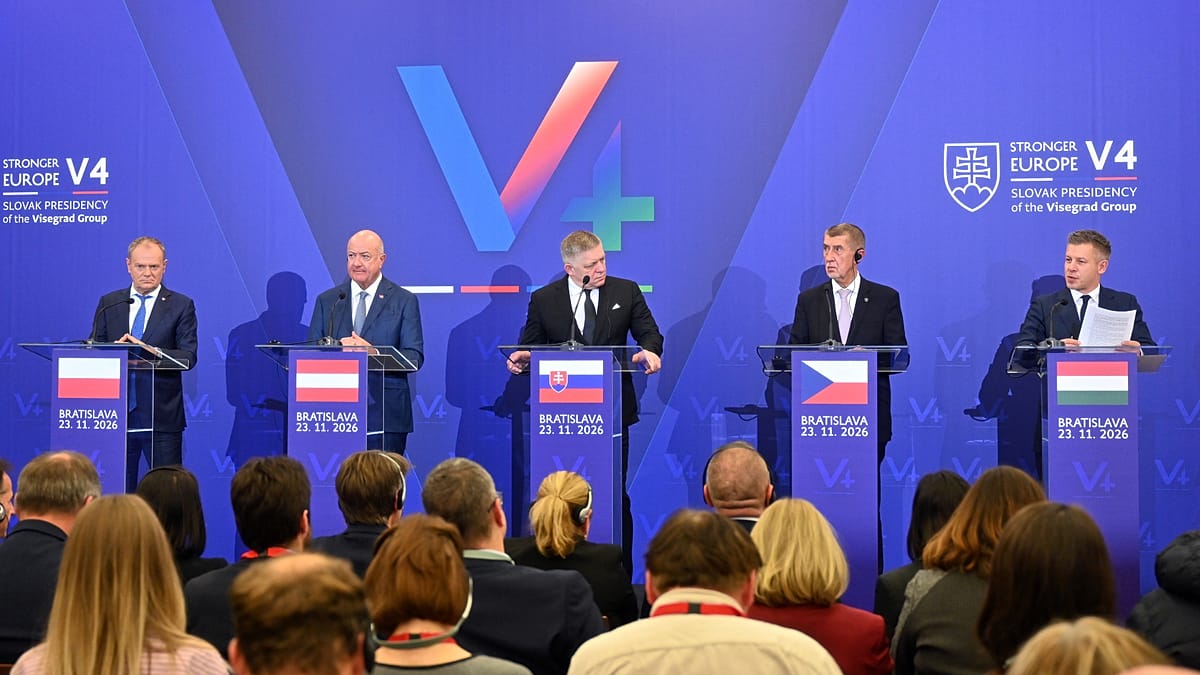
The EU's next seven-year budget needs all 27 governments to say yes, and after two rejected compromises the leaders meet again on Thursday 26 November.
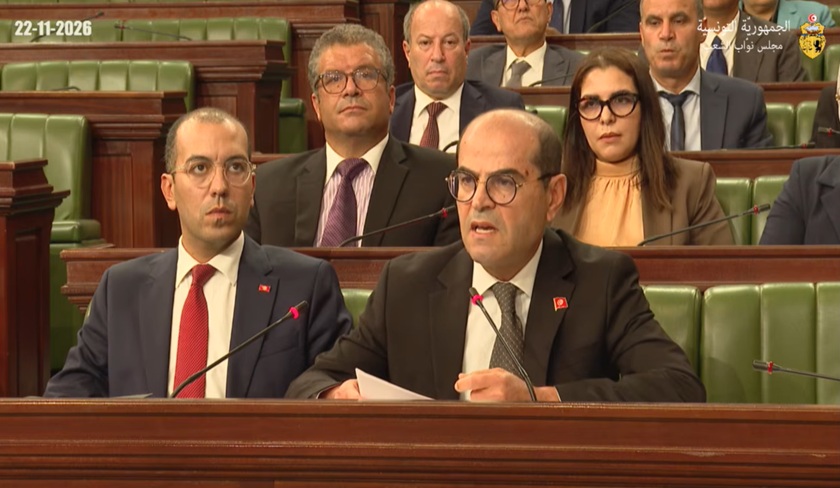
The July 2026 heatwave brought rotating power cuts to Tunisia, and water rationing with them, because SONEDE's pumping stations run on the grid. The argument since is whether the heat created the electricity shortage or only exposed one that was already there. President Saied has since offered a third answer, that the cuts were premeditated acts.

Germany blames Russia for an explosive drone found at an airport that supplies Ukraine, and a month on, the EU is still looking for an answer that stops short of military means. On 16 September 2026 that answer got a name, the Emergency Security Protocol, which convenes member states rather than committing them. By November the answer that had actually materialised was criminal: a Helsinki court jailed a Russian captain over a Baltic cable, after another Finnish prosecution had collapsed on intent in October.

Gadi Eisenkot has until 6 December to form Israel's next government, and each of the three routes he has named asks a party in his own bloc to break an election promise.

Tunisia can jail people who took public money, or let them settle and pay it back. By 29 September the settlement commission had published no agreement, no release and no recovered sum, while the courts remanded seven suspects and handed down prison terms in two other cases. By 5 November the courts had gone further: 18 years in absentia for the former head of the state tobacco monopoly, over a loss the judgment puts at more than 170,000 dinars.

A secondary school movement that began in Créteil on 17 September merged in October with a march against the cost of living. The government answered on 26 October with a package its own education minister put above 5 or 6 billion euros, most of it loans, and released diesel from the state reserves on 1 November. On 4 November the National Assembly threw out the first part of the 2027 budget those measures were to be paid for through, by 458 votes to none.

Yemen's war resumed in July 2026, and on 10 and 11 September the Houthis took the port of Mocha and Perim Island, giving one side of the war control of Bab el-Mandeb. Since then the Houthis have fired on Saudi Arabia: Riyadh's main airport and Dammam's were both hit in October, and on 20 October Britain said its Typhoons would help defend Saudi airspace. The Security Council's resolution of 12 November condemns Houthi attacks on the kingdom and their threats to commercial shipping vessels.
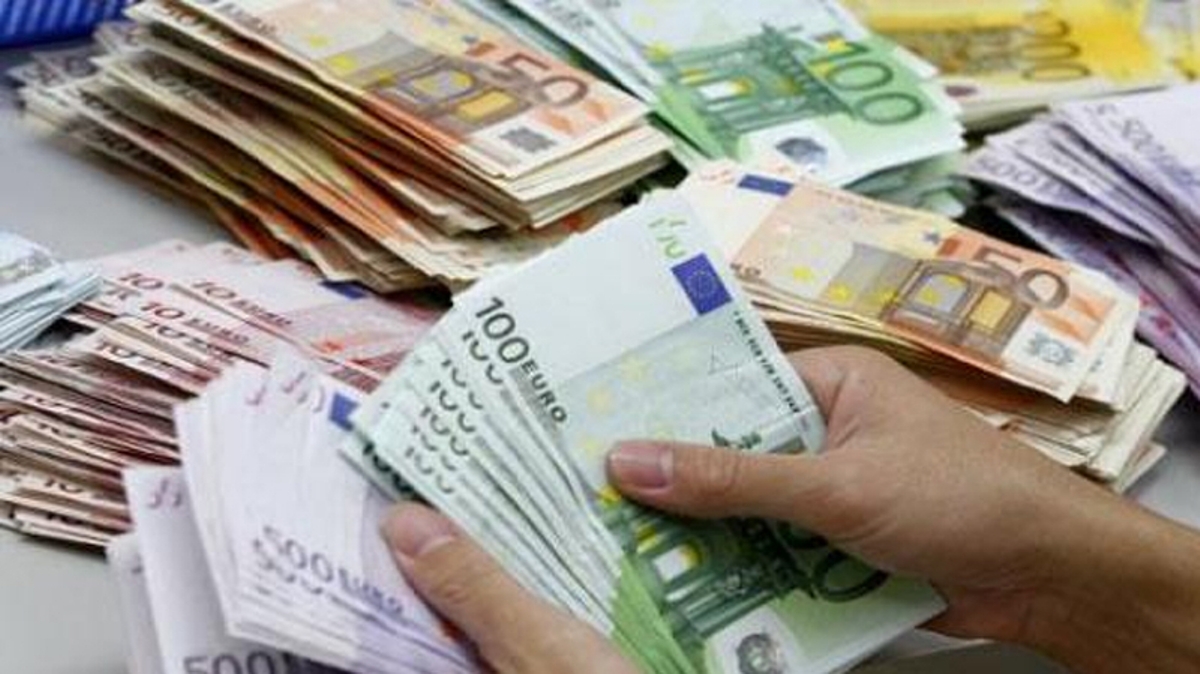
Tunisia repaid on 15 July 2026 what Kapitalis called its last big international eurobond, and its IMF talks broke down in 2022. It now funds its budget from domestic banks, regional lenders and above all its own central bank. Direct central bank advances to the state went from 1,400 million dinars at the end of 2023 to 16,250 million by the end of June 2026. Parliament opened its plenary debate on the 2027 budget on 9 November 2026, under a 10 December deadline, with the whole thing at 82.402 billion dinars once debt repayment is counted and 74 percent of the new borrowing to come from domestic lenders.
Article 15 of the 2026 finance law leaves the pay rise for 2026 to 2028 to a decree, in the private sector as well as the public one, and the general strike the UGTT called against it was never held. With the national round closed, the disputes have moved down to single sectors and to agreements signed years ago.

Human Rights Watch says the Tunisian authorities have misused the 2011 law on associations to suspend them, and lists the Tunisian League for Human Rights among the suspended. Under that law only a judge may order a suspension, and Human Rights Watch says the judiciary has been under executive control since 2022. The judges' own association, writing separately on the same day, says the justice minister has no legal basis for suspending individual judges from duty. The prosecutions ran on through the autumn, and on 30 September 2026 the penalty under Decree-Law 54 changed while they were under way.
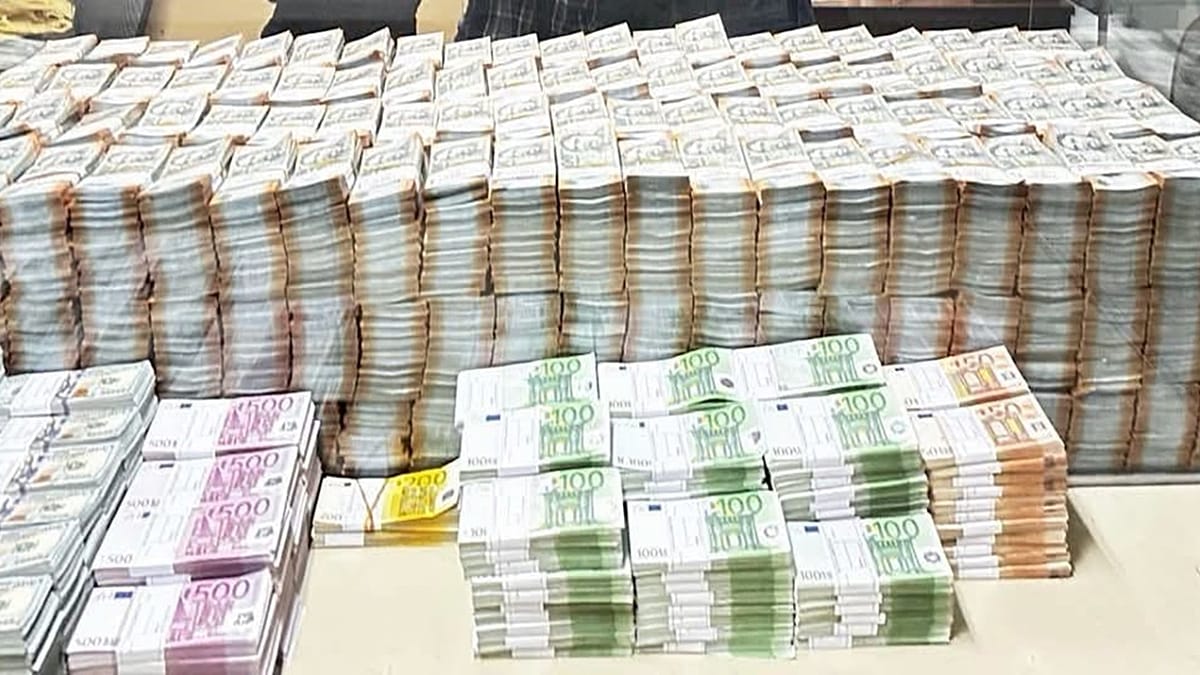
Viktor Orbán governed Hungary for sixteen years. Since Péter Magyar's Tisza party won a two-thirds majority in April 2026, parliament has elected a president Orbán's government had removed from the Supreme Court, the government has accepted the Commission's conditions for unfreezing €16.4 billion, and Hungary has expelled ten Russian diplomats. In September parliament opened the first corruption investigations into ministers of the Orbán years.
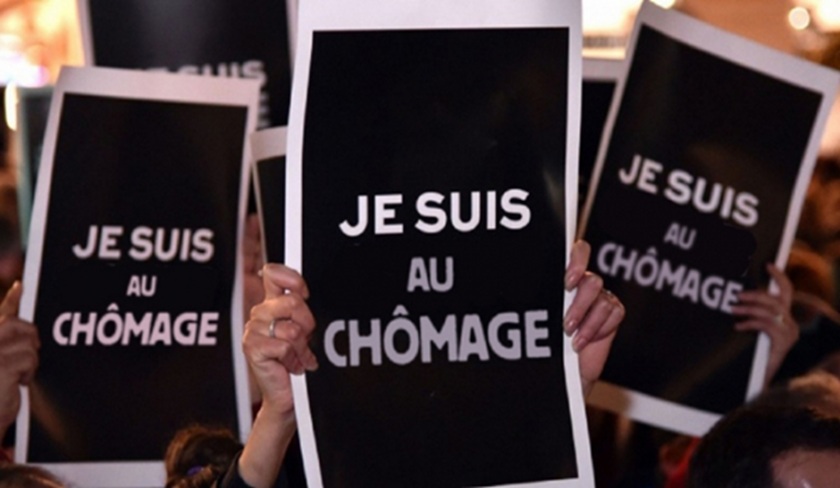
Law 18 of 2025 promised public-sector jobs to Tunisian graduates whose unemployment had already run for years. Ten months after it was published, the graduates' union in Sidi Bouzid said on 28 October that no implementing decree had appeared, that the registration platform was not working and that nobody had been recruited.
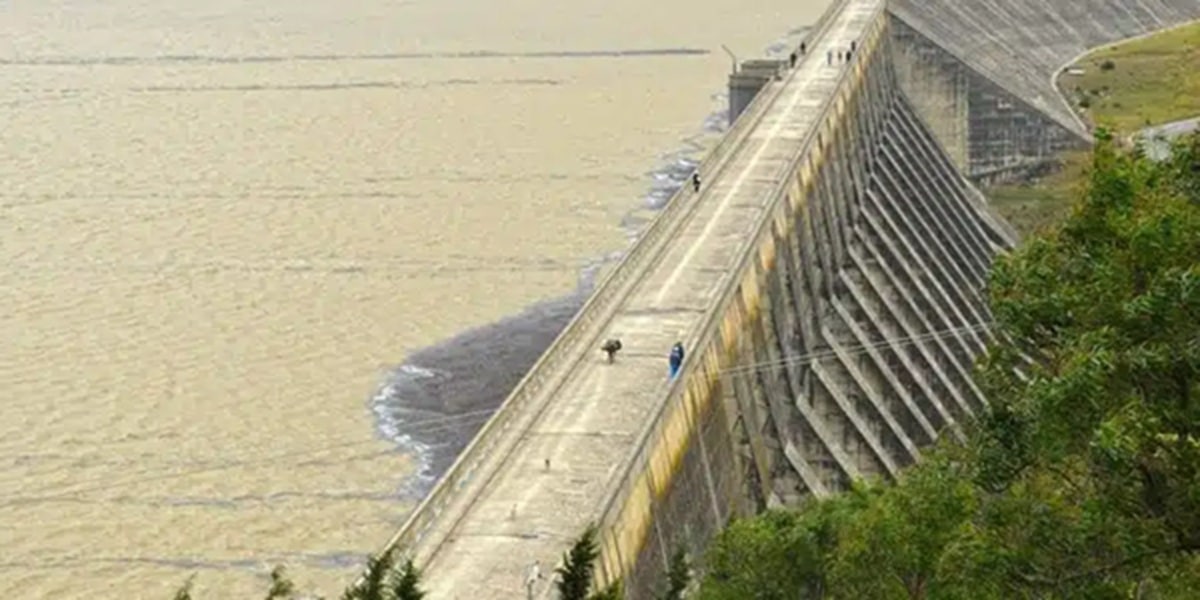
The agriculture ministry put Tunisia's dams at 60 per cent in late June 2026 and called the level very reassuring. The taps stopped anyway: of the 608 citizen alerts the Tunisian Water Observatory logged in July, 549 were unannounced cuts.
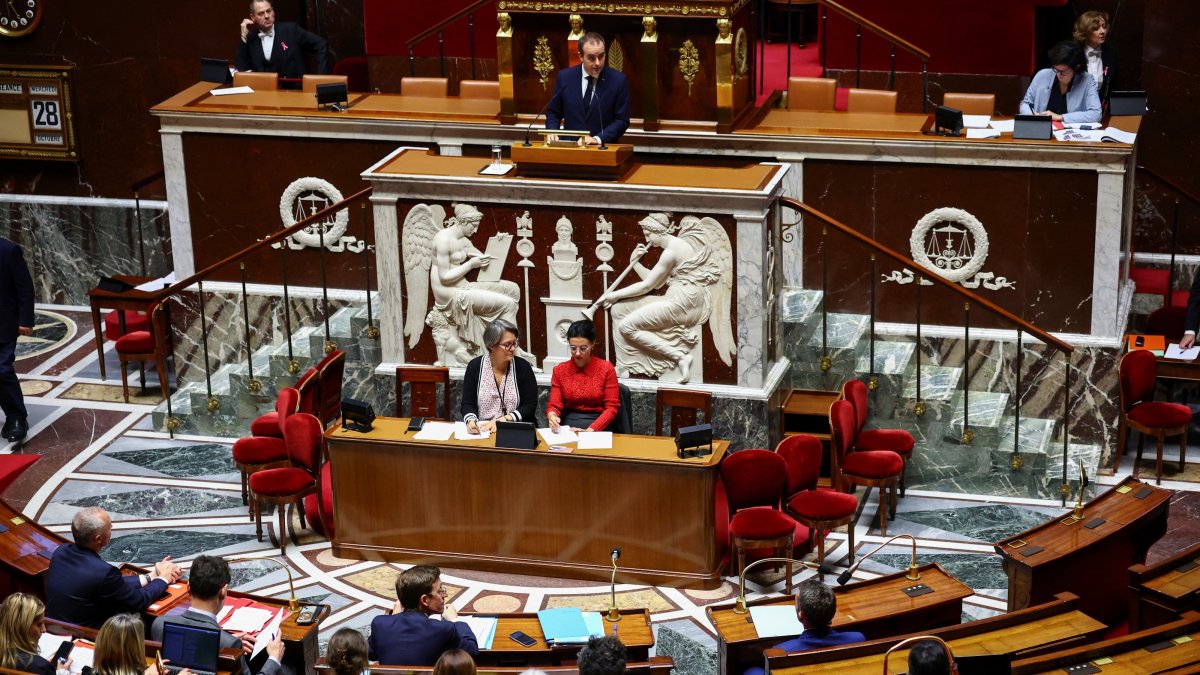
Israeli settlers and soldiers have killed at least 1,100 Palestinians in the occupied West Bank since 7 October 2023, and on B'Tselem's count one Israeli has been charged over such a killing in that time. On 23 October 2026, after two soldiers were killed near Hebron, Israel launched a military operation across the territory, with the finance minister who administers it calling for the offensive to proceed exactly like in Gaza.
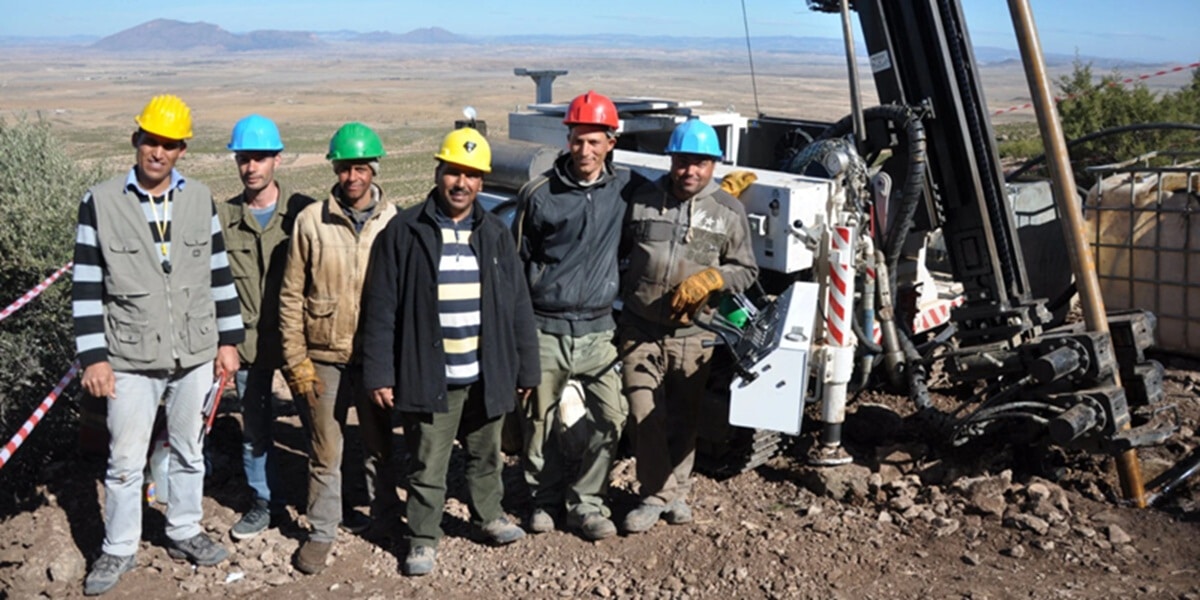
Tunisia is borrowing 110 million euros abroad to re-equip a phosphate industry that produces well under half its installed capacity. The target has since gone up rather than been reconciled with the water: in October the minister handling industry said he wants about 10 million tonnes a year, where the lender's own water plan assumes 6 million. An Australian company costing a private mine in the same basin needs 5,500 cubic metres a day and does not yet know where it will come from.
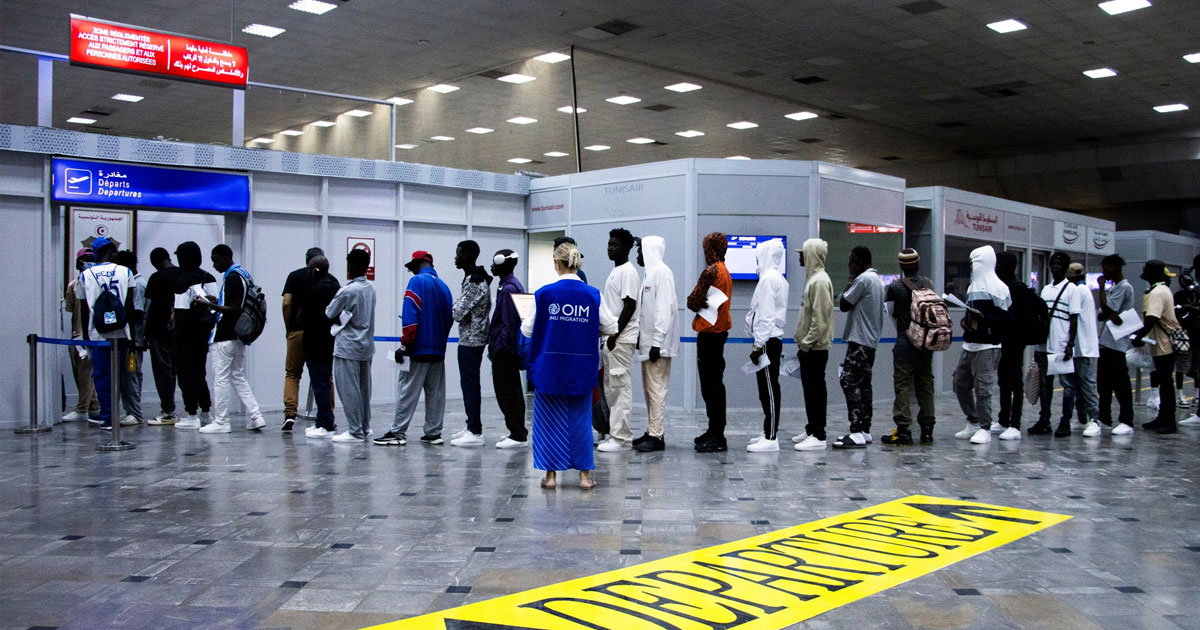
Three years after the EU and Tunisia signed their migration memorandum, 105 million euros of European money has been mobilised for Tunisian border control, arrivals to Italy are down 97 percent on the European Commission's own measure, and 46 rights organisations say what that bought is violent interceptions, arbitrary detention, torture and collective expulsions.
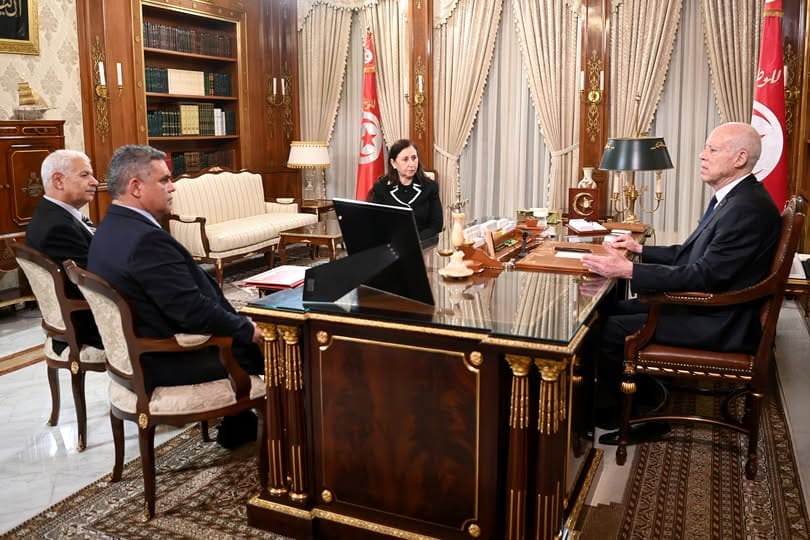
Tunisia's annual inflation held at 5.6 percent in October 2026, a second month at that level, with food and drink at 8.5 percent. The central bank held its policy rate at 7 percent in July and again in October, and in a circular of 9 October it raised the reserve requirement on sight deposits from 1 percent to 3, in force since 1 November 2026. Fuel prices, which the state sets, have not changed since 2021, and the 2027 finance bill would let the Treasury draw up to 9.8 billion dinars from the same bank.
Tunisia had a good grain year in 2026 and is still expected to buy more wheat abroad than it grows. What it grows is durum, while bread flour is milled from common wheat that is largely imported, and the state covers the gap between the import price and the subsidised price it sells at. The same summer's heat then killed enough poultry to leave the agriculture ministry looking at importing hatching eggs.
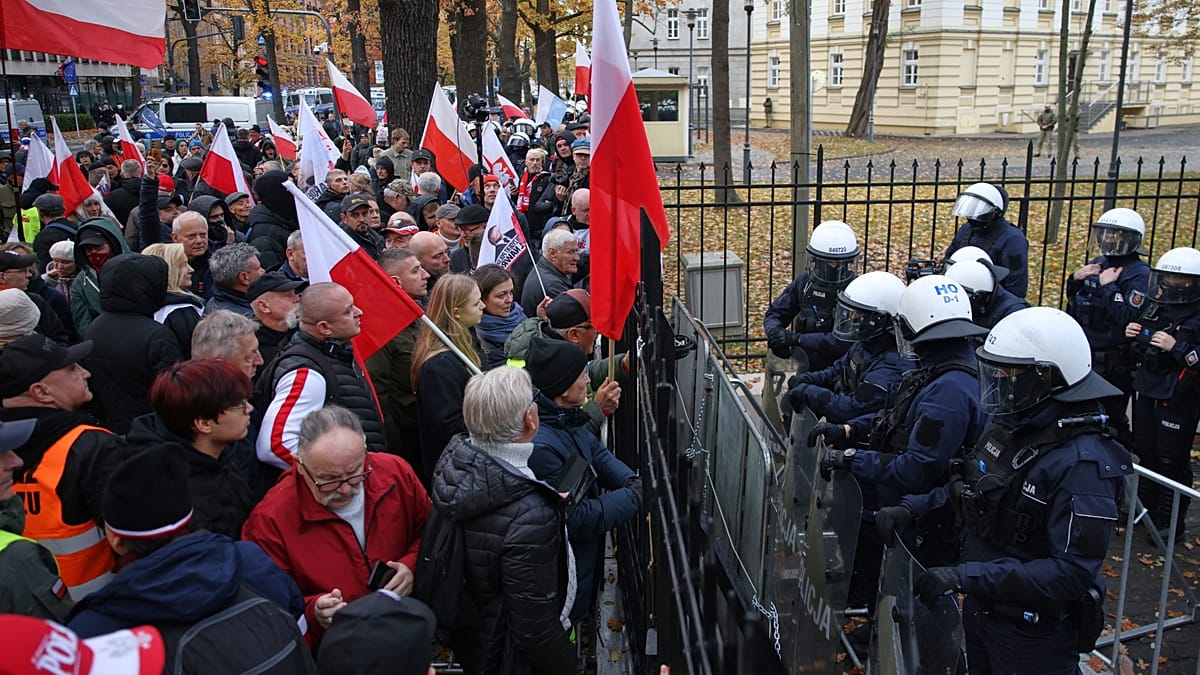
Eight judges elected by Poland's parliament in 2026 have taken over the Constitutional Tribunal. One of them declared the chief justice suspended on 30 October, and on 3 November the eight declared a quorum by ruling three colleagues ineligible to sit. The Supreme Court quashed those suspension orders on 10 November, and the judge who issued them said that made no difference. President Karol Nawrocki, who has refused to swear five of the eight in, calls the takeover illegal.
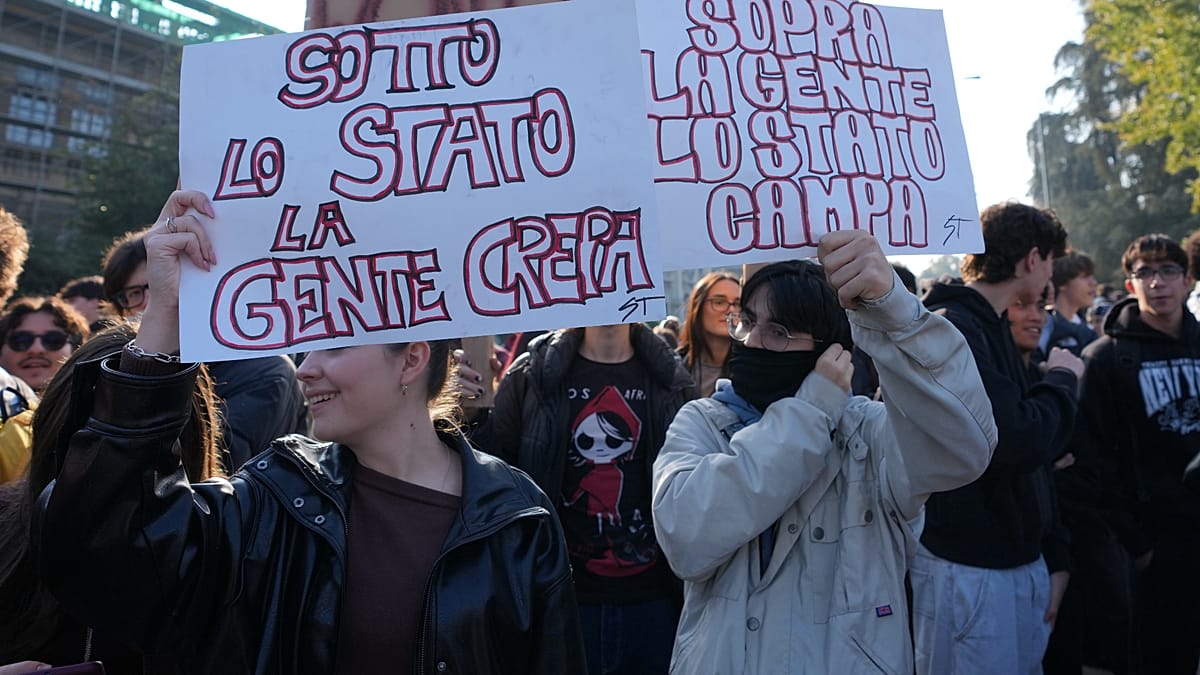
Europe has given itself until 2030 to be able to defend itself. The money is now almost all allocated: the first SAFE round closed on 28 October with 19 member states holding 129 billion euros of the 150 billion available. The people are not. France's answer to the recruitment problem began on 31 August with 3,000 volunteers, against about 200,000 serving personnel.
Five years after Kais Saied invoked emergency powers and suspended parliament, Tunisia has a new constitution, and no national vote since has drawn a third of the electorate. Through the summer of 2026 the state could not keep the water and the electricity running. In September 2026 three of the four bodies that won the 2015 Nobel Peace Prize for mediating Tunisia's transition re-formed to ask for another one. On 17 October 2026 those bodies and three more took the statement's title into the street as a slogan, and a week later the World Justice Project put Tunisia 89th of 143 on the rule of law.

The UN arms embargo on Sudan covers only Darfur, while a UN fact-finding mission says the weapons, drones and foreign fighters that keep the Rapid Support Forces going arrive through Chad, Libya and Somalia. In four days of October 2026 drone attacks killed more than 160 people across the country, on medics' and rights groups' counts, and the Council has held the embargo inside Darfur.
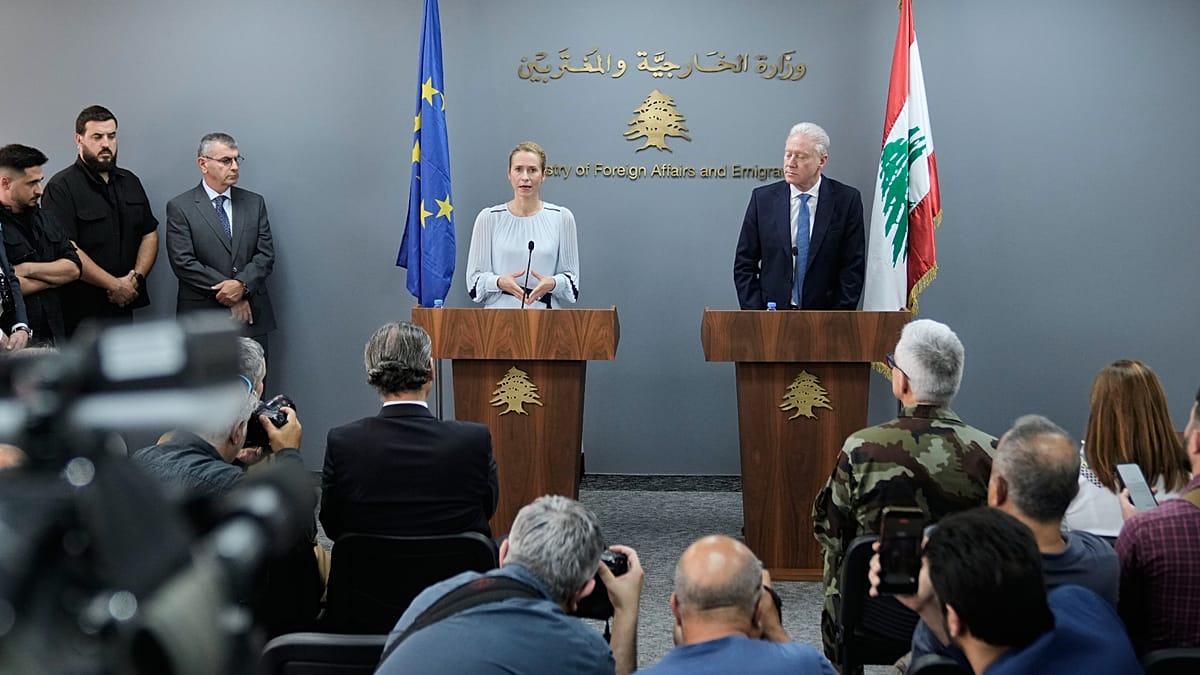
The Security Council has told its peacekeeping force in Lebanon to stop operating on 31 December 2026. By mid-July 2026, on Security Council Report's account, it had still not discussed the three options its own Secretary-General put before it, beyond informal contacts among some members. What replaces UNIFIL turns on two questions nobody has settled: whether Israeli troops leave the ground they hold, and whether Hizbullah gives up its weapons.
Tunisia's health ministry counted 633 consultations and treatments linked to the heat wave between 1 July and 29 August 2026, and published no death toll. The Tunisian Organisation of Young Doctors estimated 150 to 200 deaths in public hospitals from the heat and the power cuts in a communiqué of 22 July, and says the number has risen since. The two sides are not counting the same thing, and neither has said how it counted.

What decree 148 obliges Tunisian banks to do, who pays for it, and why nobody has been able to borrow yet.

The far-right AfD came first in two German state elections in September 2026 and took 43.8 percent in Saxony-Anhalt on the final count. It holds 39 of the 83 seats there, and no party has agreed to enter a coalition with it. On 6 October the Saxony-Anhalt parliament elected an AfD politician to chair the chamber, with votes from outside his own party.

The governor of Tunis sent the capital's schoolchildren home at 15:00 on 17 September 2026, in a communiqué published seven minutes earlier that gave heavy rain expected from 16:00 as one of its reasons.