Heat, hospitals and the missing count
Tunisia's health ministry counted 633 consultations and treatments linked to the heat wave between 1 July and 29 August 2026, and published no death toll. The Tunisian Organisation of Young Doctors estimated 150 to 200 deaths in public hospitals from the heat and the power cuts in a communiqué of 22 July, and says the number has risen since. The two sides are not counting the same thing, and neither has said how it counted.
On 29 August 2026 Tunisia's health ministry put a number on the summer. Some 633 consultations and treatments linked to the effects of the heat wave had been recorded between 1 July and 29 August, it said, and no interruption of health services had been observed. It told people to stay out of the sun in the hottest hours, to drink enough water, and to go to the nearest health facility at the first signs of heat exhaustion. It gave no figure for deaths.
In a communiqué of 22 July, the Tunisian Organisation of Young Doctors estimated that the heat, together with power cuts running intermittently for more than a week, had killed between 150 and 200 people in public hospitals, among patients with breathing difficulties and other chronic illnesses. The organisation said it published cautiously: the figure shocks people, and it feared decree 54, which it says the authorities use to silence dissent, would be turned on doctors who talk to the press. It asked the ministry for the number of deaths.
On 28 August the organisation asked the government to declare a health emergency immediately. Emergency departments were seeing what it called an unprecedented rise in hospitalisations and deaths from heatstroke, it said, along with deaths among detainees in several emergency departments and extreme exhaustion among medical and nursing staff. It also said that, on its information, the ministry's own services had already compiled the data on deaths, sunstroke cases and intensive care capacity, and had published none of it.
Kapitalis reported on 29 August that the ministry prefers not to communicate on the question. In the same piece, Sfax's regional health director, Hatem Cherif, told Diwan FM that the emergency department at the Habib Bourguiba teaching hospital was under heavy pressure from sunstroke cases. He gave no death figures for it. On 11 August a working session chaired by the health minister Mustapha Ferjani agreed an early warning system based on forecasts from the National Institute of Meteorology, and occupational medicine measures for workers exposed to heat and sun.
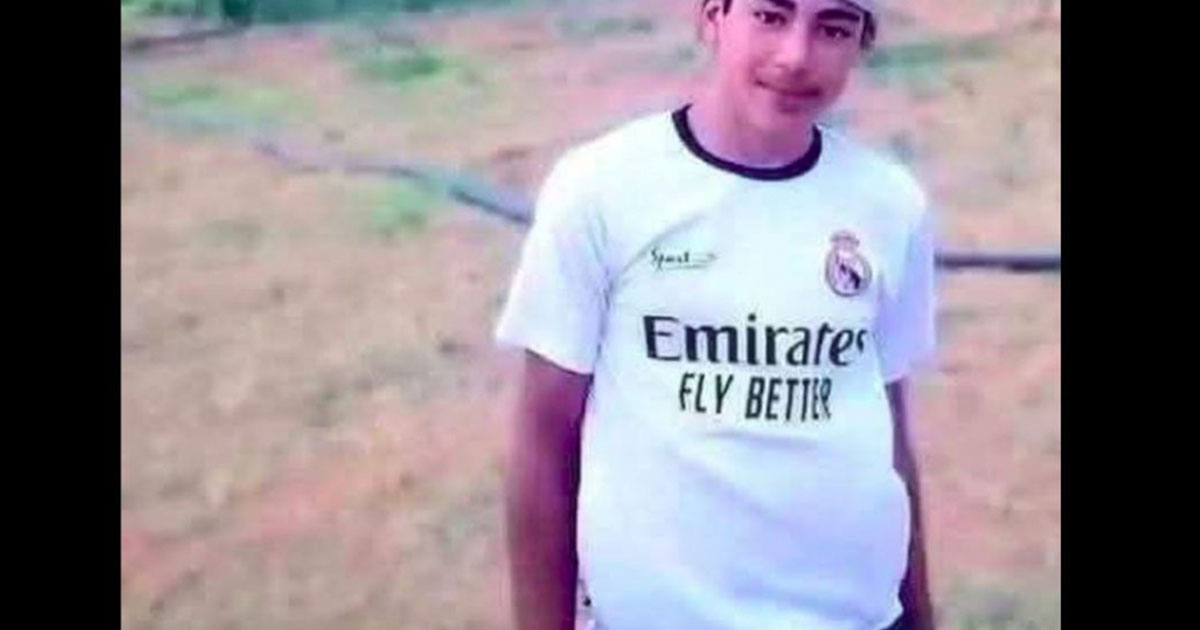
Neither figure names anyone. Amine Sayhi, 14, a pupil at the middle school in Thala in Kasserine, died of sunstroke while working in the fields during the school holidays, in heat above 40 degrees, Kapitalis reported, citing Anba Tounes. The lawyer Nadia Chaouachi made his death public on Facebook on 24 August and wrote that he went to earn money for his school supplies.
”In the absence of cooling equipment and intensive care beds, people are dying in the hospitals”
The numbers
What the comparison shows
Where they split
The young doctors' organisation says the health ministry's own services have already compiled the data on deaths and intensive care capacity, and that none of it has been published. On 28 August it described a rise in hospitalisations and deaths since its 22 July estimate that it called unprecedented, while for the same weeks the ministry has published 633 consultations and treatments and no deaths.
Who says what
Dhokkar says people are reaching intensive care with heatstroke and dying there for want of cooling and of proper intensive care beds, and that the ministry still refuses to declare a health emergency. He wrote on 27 August that the management of the Tahar Sfar hospital in Mahdia, on the ministry's instruction, now turns down every donation and tells donors the situation is normal.
”En l’absence de moyens de refroidissement et de lits de réanimation, des gens meurent dans les hôpitaux”In the absence of cooling equipment and intensive care beds, people are dying in the hospitals
Chaouachi writes that Amine Sayhi spent the school holidays working on farms, not to buy a toy and not by choice, but to earn enough for his school supplies and stay in school. She treats his death as a case of child labour rather than of weather, and asks how many other children are working under the same sun because their families cannot manage otherwise.
”Mais la pauvreté et le besoin ne lui ont pas permis de vivre l’enfance qu’il méritait”But poverty and need did not allow him the childhood he deserved
Our coverage
- Tunisia: rights groups count 23 prison deaths this summer, authorities deny heat linkTuesday, 6 October 2026
- Doctors say patients are dying of the heat, ministry says it has recorded no deathsSunday, 30 August 2026
- 14-year-old dies of heatstroke working in the fields to pay for schoolWednesday, 26 August 2026
- The health ministry sets up an early warning system for heat wavesTuesday, 11 August 2026