الملفات
المواضيع التي نواصل متابعتها، ويجمع كل ملف منها كل ما نشرناه فيه من مقالات ونقاشات.
Without an IMF programme, Tunisia repaid on 15 July 2026 what Kapitalis called its last big international eurobond, and now covers its budget from domestic banks and regional lenders, with remittances and tourism holding up the reserves: a model the government calls self-reliance and its critics call a debt that has only changed address. Fitch named the new address in September 2026: the central bank, whose interest-free lending it put at 11 billion dinars for 2026 and expected to end in 2027.
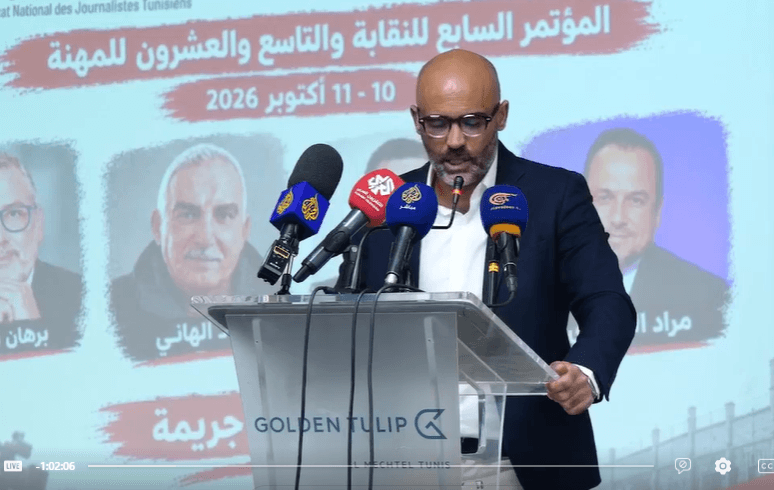
The public argument in Tunisia is about Decree-Law 54, whose article 24 was rewritten on 30 September 2026 to replace five years in prison with a fine. Both journalists sentenced to prison in 2026 were convicted under a different law, article 86 of the Telecommunications Code, which the amending decree does not touch.
In a first estimate, the National Institute of Statistics put Tunisia's growth at 2.3 per cent in the second quarter of 2026 against the same quarter of 2025, and services and agriculture carried most of it: industry as a whole managed 0.3 per cent and mining fell 9.6. Two institutions have since put the full year below that: the World Bank at 2.3 per cent and the EBRD at 2.4, against the 3.3 the budget bill assumed.
Eight Tunisian prisons give a detainee no more than 2 square metres, the state is answering the overcrowding with new buildings and pardons, and the Tunisian League for Human Rights, which published that figure, says it is no longer let in. Over July and August 2026 rights groups counted deaths in the prisons during a heatwave, and no official figure exists.
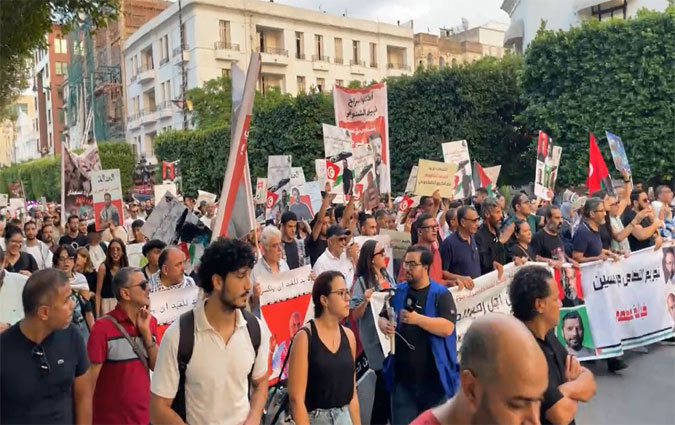
Human Rights Watch says the Tunisian authorities have misused the 2011 law on associations to suspend them, and lists the Tunisian League for Human Rights among the suspended. Under that law only a judge may order a suspension, and Human Rights Watch says the judiciary has been under executive control since 2022. The judges' own association, writing separately on the same day, says the justice minister has no legal basis for suspending individual judges from duty. The prosecutions ran on through the autumn, and on 30 September 2026 the penalty under Decree-Law 54 changed while they were under way.
Tunisia's health ministry counted 633 consultations and treatments linked to the heat wave between 1 July and 29 August 2026, and published no death toll. The Tunisian Organisation of Young Doctors estimated 150 to 200 deaths in public hospitals from the heat and the power cuts in a communiqué of 22 July, and says the number has risen since. The two sides are not counting the same thing, and neither has said how it counted.
The July 2026 heatwave brought rotating power cuts to Tunisia, and water rationing with them, because SONEDE's pumping stations run on the grid. The argument since is whether the heat created the electricity shortage or only exposed one that was already there. President Saied has since offered a third answer, that the cuts were premeditated acts.
Tunisia can jail people who took public money, or let them settle and pay it back. By 29 September the settlement commission had published no agreement, no release and no recovered sum, while the courts remanded seven suspects and handed down prison terms in two other cases.

The UN arms embargo on Sudan covers only Darfur, while a UN fact-finding mission says the weapons, drones and foreign fighters that keep the Rapid Support Forces going arrive through Chad, Libya and Somalia.
Article 15 of the 2026 finance law leaves the pay rise for 2026 to 2028 to a decree, in the private sector as well as the public one, and the general strike the UGTT called against it was never held. With the national round closed, the disputes have moved down to single sectors and to agreements signed years ago.

What decree 148 obliges Tunisian banks to do, who pays for it, and why nobody has been able to borrow yet.
Three years after the EU and Tunisia signed their migration memorandum, 105 million euros of European money has been mobilised for Tunisian border control, arrivals to Italy are down 97 percent on the European Commission's own measure, and 46 rights organisations say what that bought is violent interceptions, arbitrary detention, torture and collective expulsions.
Germany blames Russia for an explosive drone found at an airport that supplies Ukraine, and a month on, the EU is still looking for an answer that stops short of military means. On 16 September 2026 that answer got a name, the Emergency Security Protocol, which convenes member states rather than committing them.

Yemen's war resumed in July 2026, and on 10 and 11 September the Houthis took the port of Mocha and Perim Island, giving one side of the war control of Bab el-Mandeb, the strait that carries Red Sea traffic toward the Suez Canal.

The agriculture ministry put Tunisia's dams at 60 per cent in late June 2026 and called the level very reassuring. The taps stopped anyway: of the 608 citizen alerts the Tunisian Water Observatory logged in July, 549 were unannounced cuts.
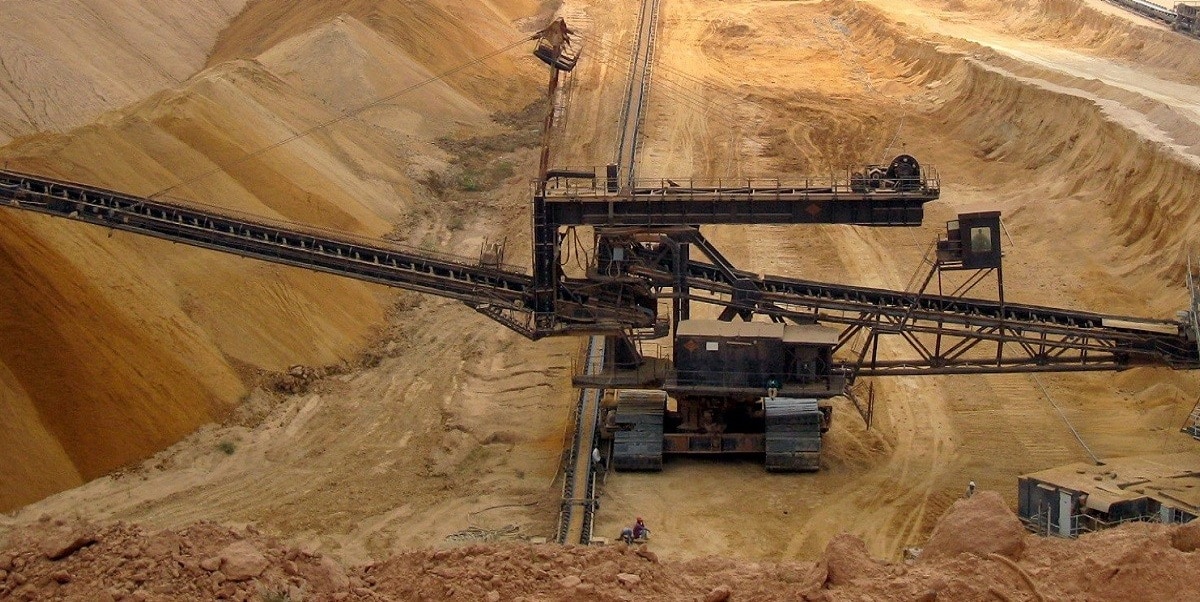
Tunisia is borrowing 110 million euros abroad to re-equip a phosphate industry that produces well under half its installed capacity. Parliament approved the state guarantee on 28 July 2026, after a bonus dispute had stopped work at four mining towns in May and residents of Metlaoui had closed the roads over water cuts in July.

The governor of Tunis sent the capital's schoolchildren home at 15:00 on 17 September 2026, in a communiqué published seven minutes earlier that gave heavy rain expected from 16:00 as one of its reasons.
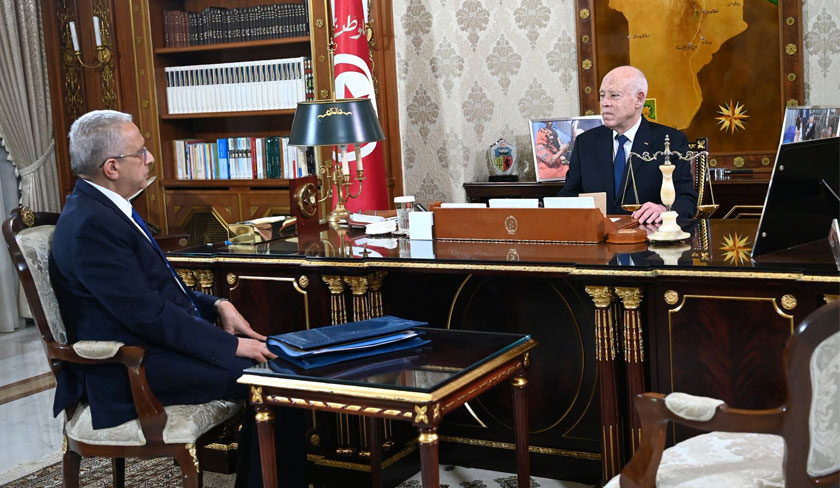
Five years after Kais Saied invoked emergency powers and suspended parliament, Tunisia has a new constitution, and no national vote since has drawn a third of the electorate. Through the summer of 2026 the state could not keep the water and the electricity running. In September 2026 three of the four bodies that won the 2015 Nobel Peace Prize for mediating Tunisia's transition re-formed to ask for another one.

Israeli settlers and soldiers have killed at least 1,100 Palestinians in the occupied West Bank since 7 October 2023, and on B'Tselem's count one Israeli has been charged over such a killing in that time.
Tunisia had a good grain year in 2026 and is still expected to buy more wheat abroad than it grows. What it grows is durum, while bread flour is milled from common wheat that is largely imported, and the state covers the gap between the import price and the subsidised price it sells at. The same summer's heat then killed enough poultry to leave the agriculture ministry looking at importing hatching eggs.
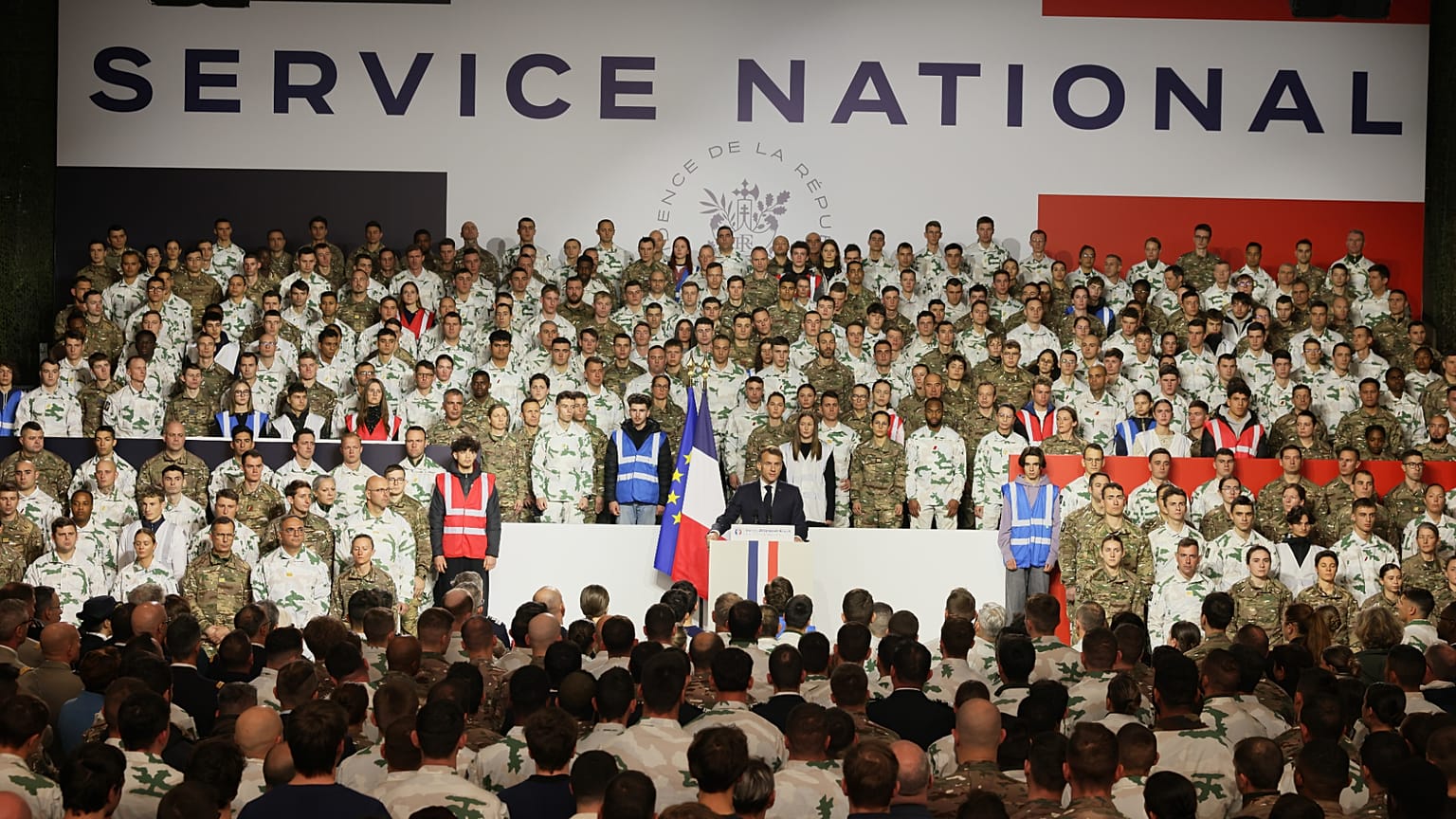
Europe has given itself until 2030 to be able to defend itself. The EU's credit line is open and paying out, and the military associations say their armies cannot recruit or keep enough people.
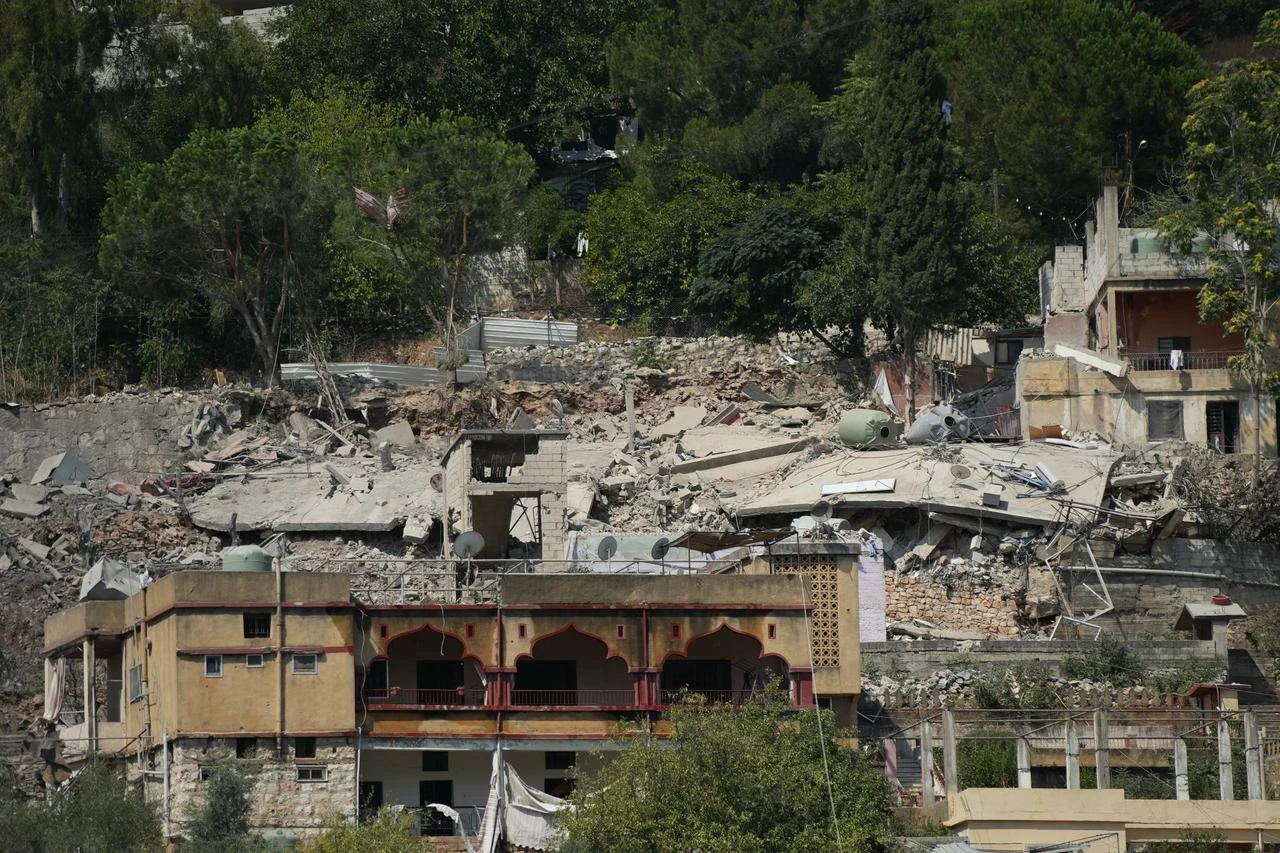
The Security Council has told its peacekeeping force in Lebanon to stop operating on 31 December 2026. By mid-July 2026, on Security Council Report's account, it had still not discussed the three options its own Secretary-General put before it, beyond informal contacts among some members. What replaces UNIFIL turns on two questions nobody has settled: whether Israeli troops leave the ground they hold, and whether Hizbullah gives up its weapons.