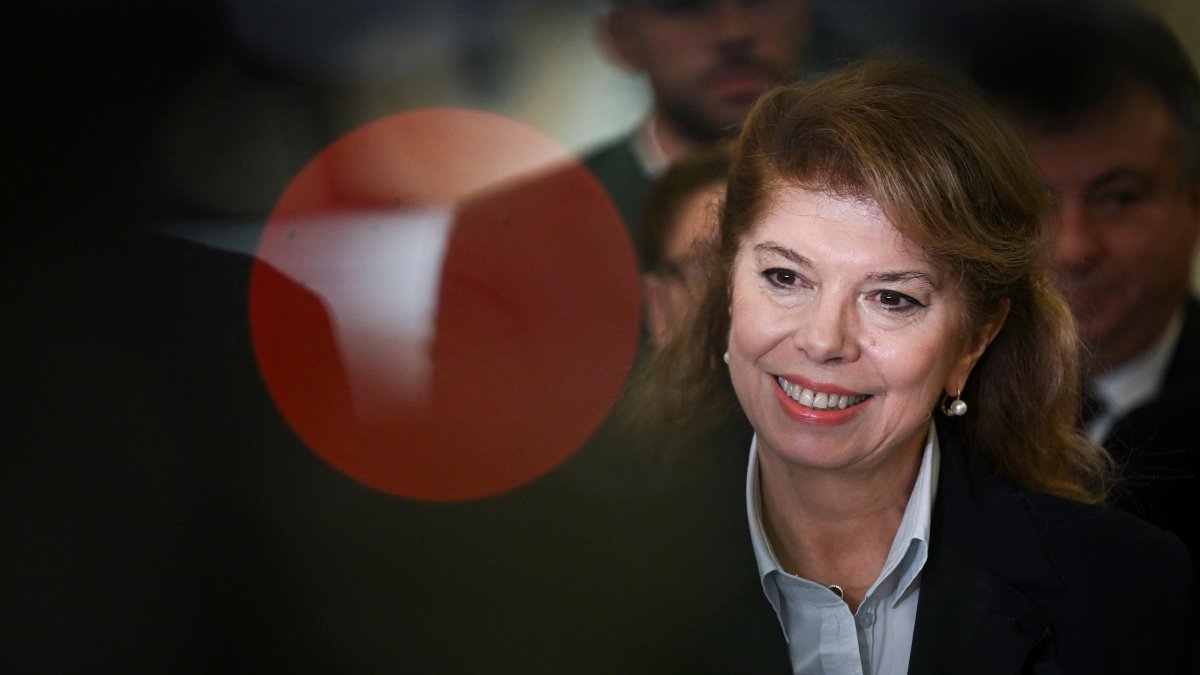
Tunisia's water observatory recorded 227 complaints about water problems in September alone, most over unannounced cuts. Power cuts follow a similar pattern: utility Steg says they are deliberate, preventive load-shedding. Parliament is now fast-tracking nine financing agreements with the African Development Bank, the EIB, France's AFD and the EBRD to build two new dams and reinforce the water and power networks around Tunis.
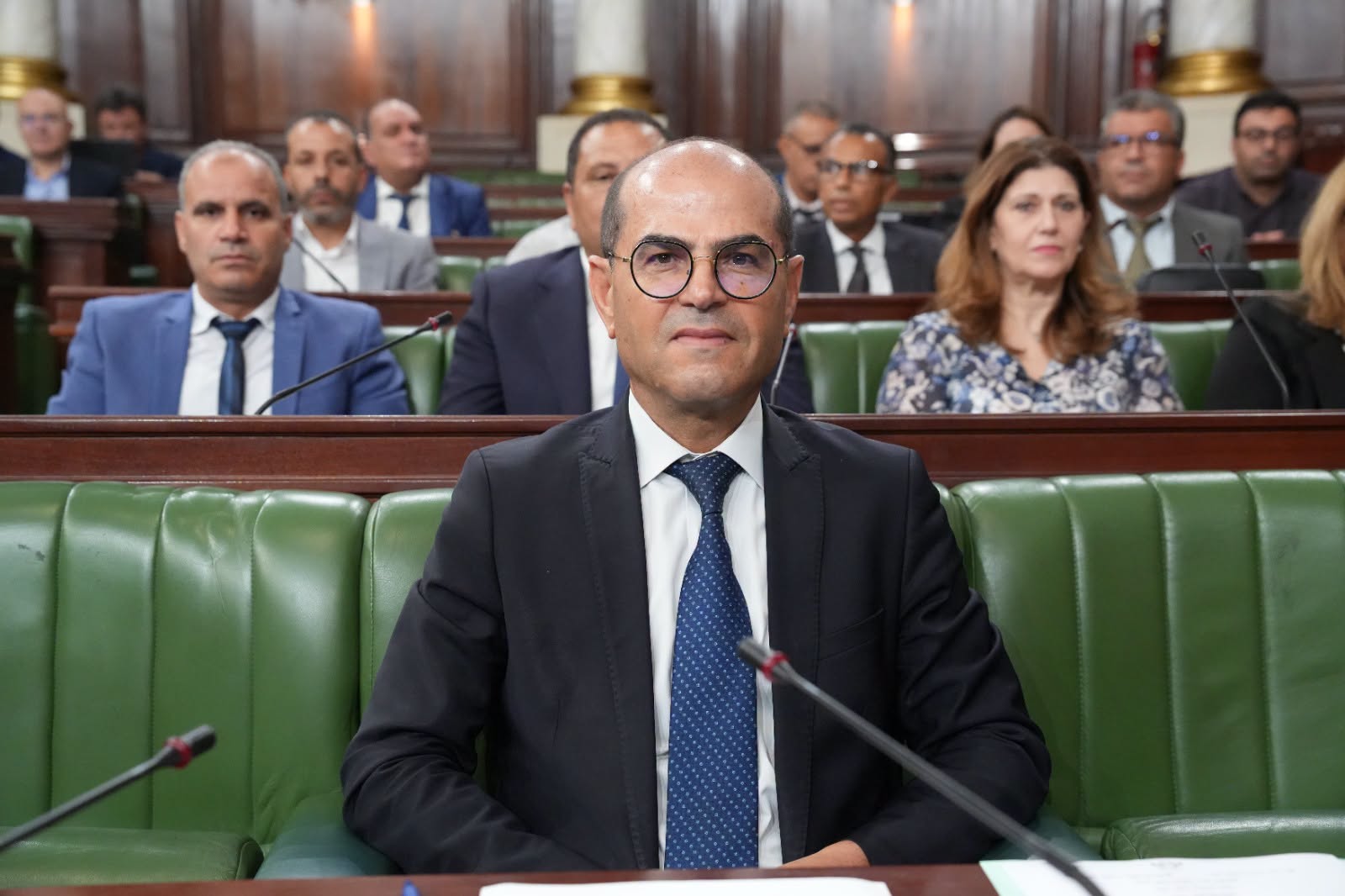
Equipment and Housing Minister Salah Zouari, who also holds the interim charge of Industry, Mines and Energy, told the parliament's industry and commerce commission and the regional council's productive-sectors commission on Tuesday that a program is in place to cut peak electricity demand from 6,000 to 5,700 megawatts before next summer, a 300 MW saving to come mainly by asking heavy industrial users to shift their working hours out of peak periods. He also detailed a new 18-million-dinar program to fit cooling systems on gas turbines that still lack them, which should recover about 50 MW of generating capacity. The ministry's 2027 budget is set to rise 48.2 percent, to 7,890 million dinars.
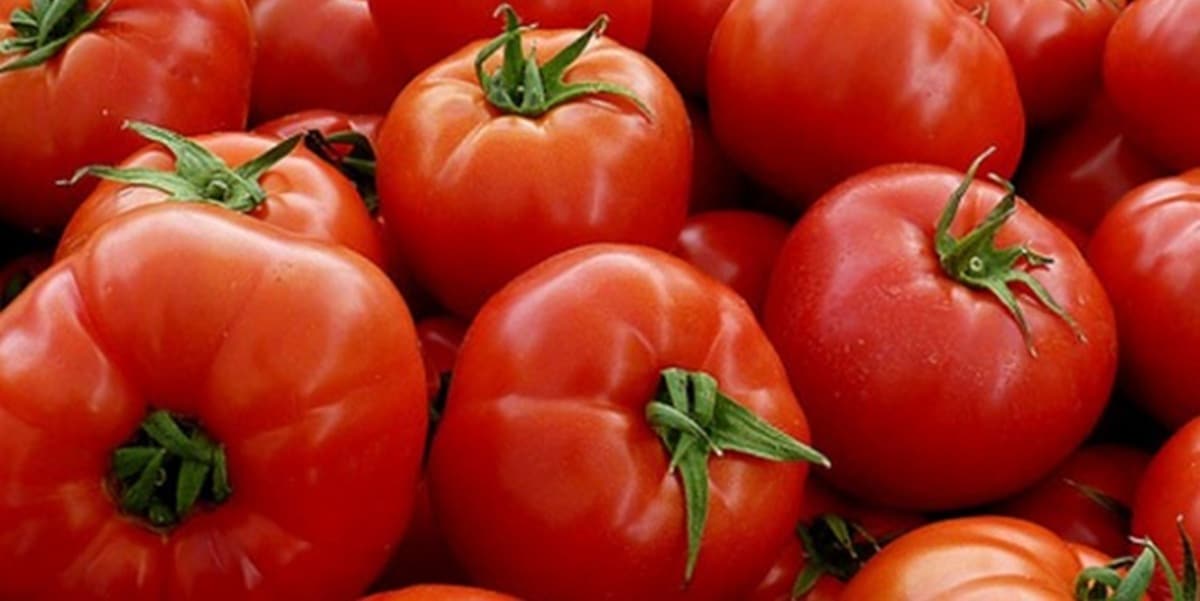
Tomatoes are now selling for 5-6 dinars a kilo while growers receive only 1-1.8 dinars, says Midani Dhaoui, head of the Tunisian Farmers' Union, who accuses middlemen of taking excessive margins. Growers also point to sharply rising production costs, reference prices unchanged for five to six years, and poor harvests after extreme heat and hail in regions including Sbiba and Fériana.
Source:
Webdo · Monday, 2 November 2026