Tunisia

Tunisia's pharmacists' union SPOT gave the health insurance fund CNAM formal notice to settle its arrears within 14 working days, invoking Article 40 of the sector's own agreement, as the dispute over unpaid reimbursements entered its second week. Unpaid claims topped 180 million dinars as of July, forcing some 300 of Tunisia's 2,500 pharmacies into 90-to-100-day waits to pay their own suppliers; pharmacies suspended CNAM's direct-payment scheme on 1 November, and the health ministry responded by freezing all CNAM payments to pharmacies on 5 November.
Source:
Webdo · Friday, 6 November 2026
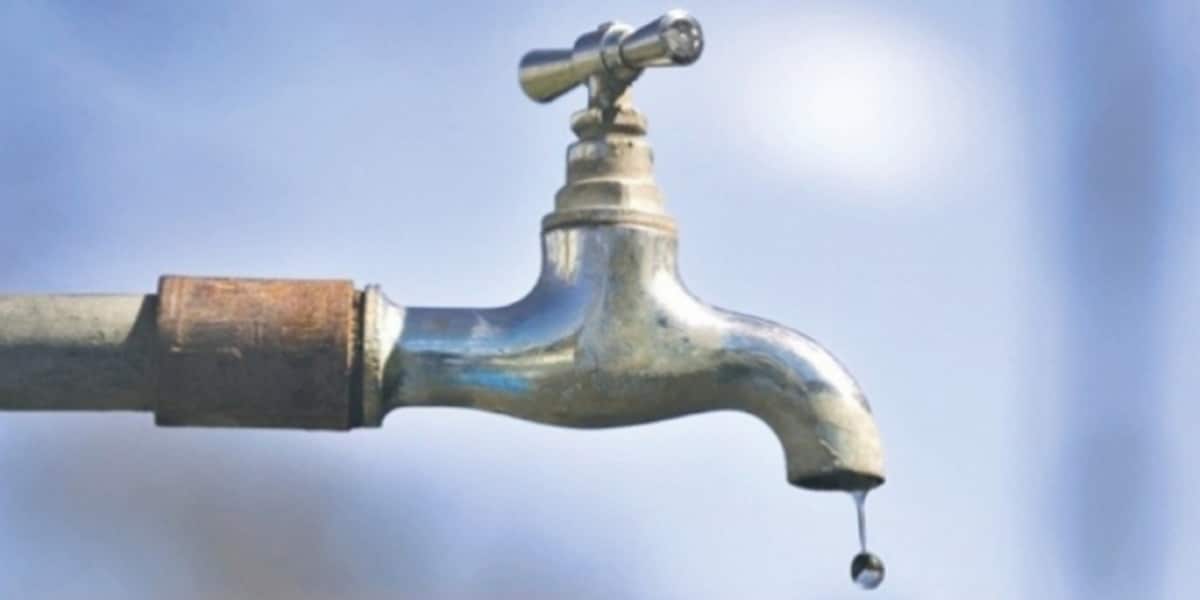
A burst 600-millimeter main pipeline cut water supply across parts of Kairouan, Sousse, Monastir and Mahdia, Tunisia's state water utility SONEDE said, with service restored progressively from Friday evening. Not every locality in the four governorates was affected, and SONEDE gave no estimate of how many households lost supply.
Source:
Webdo · Thursday, 5 November 2026
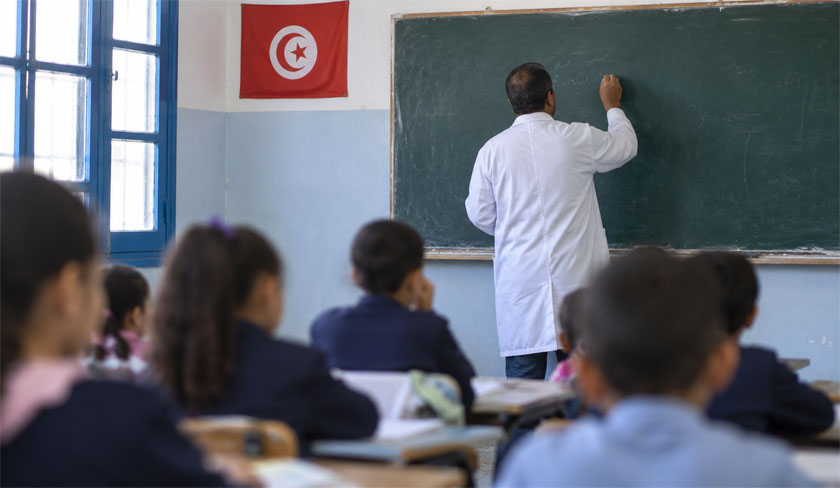
Tunisian deputy Najla Lahyani told parliament's education committee, during the 6 November debate on the education ministry's 2027 budget, that general public-sector pay rises "will not suffice" for teachers and called for a specific, substantial raise instead. She also flagged about 5,000 substitute teachers still awaiting permanent status, unresolved grievances from a 2021 recruitment exam, and said the ministry's announced 615 million dinars for new school projects and 300 million for maintenance have yet to show results on the ground, pointing to ceilings at risk of collapse in several schools.
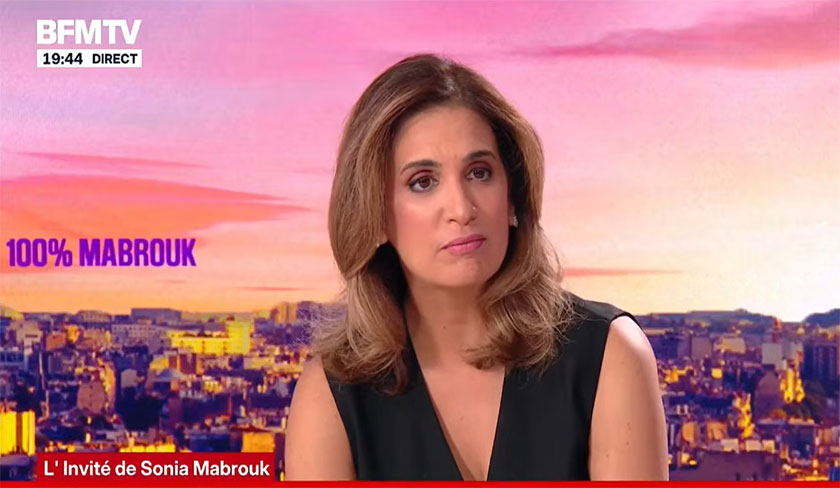
Sonia Mabrouk, a Franco-Tunisian journalist who joined BFMTV this year after leaving CNews and Europe 1, is at the centre of a newsroom revolt: 213 of the channel's journalists signed a letter accusing the station of normalising far-right talking points through her show, and more than 100 staged a one-day strike on 5 November. Management publicly backed her and announced a new committee to vet guest selection, while Mabrouk, the best-known Tunisian face in French media, has said her "origins, history and convictions" no longer matched her old employer's line.
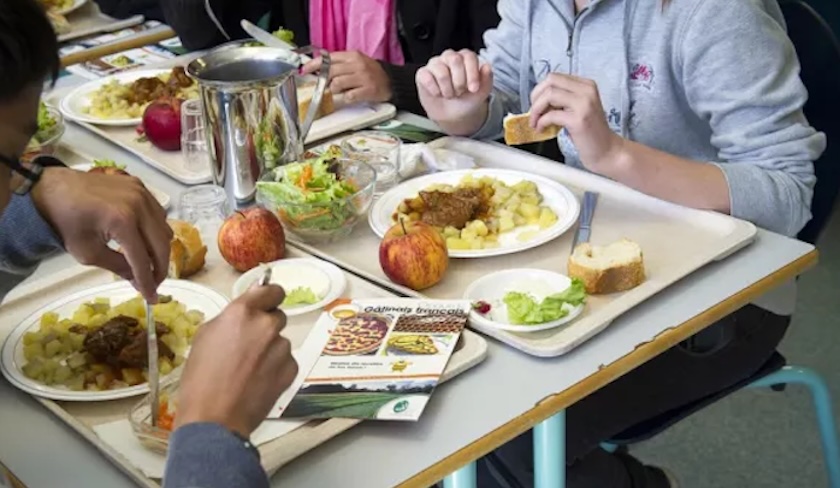
Twenty-two students at Sidi Bouzid's lycée pilote were taken to hospital overnight Friday into Saturday after a meal left them ill, regional health official Béchir Saïdi told TAP. All were discharged after treatment, and health authorities have taken samples to trace the source of the poisoning. Similar poisonings have hit Tunisian schools four times since 2023, in Meknassi, Sidi Ali Ben Aoun, Zriba and Soliman.
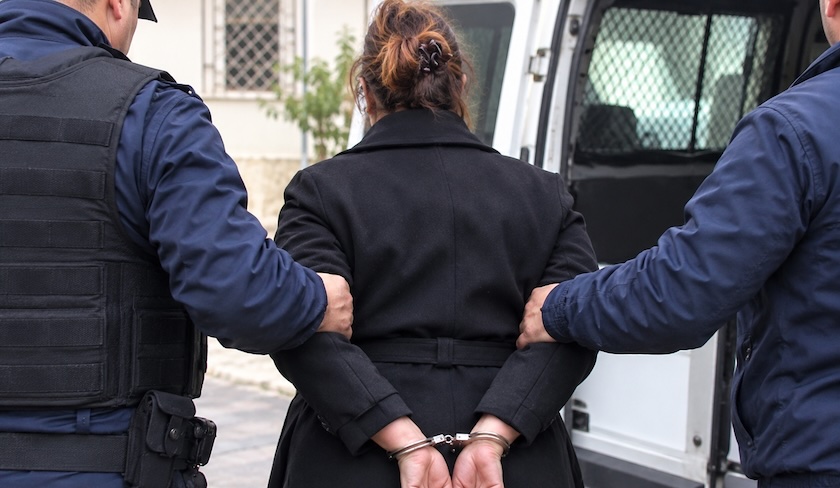
Tunisia's National Guard intelligence unit arrested a 45-year-old woman described as one of the main drug traffickers in the Kasserine region and wanted under several search warrants, a security source told TAP on Saturday. The raid seized cash, vehicles, jewellery and forged documents, including fake certificates purporting to close search notices against other wanted individuals. Investigators say the find points to a parallel document-forgery scheme, and the case has been referred to the Kasserine public prosecutor.
Geopolitics
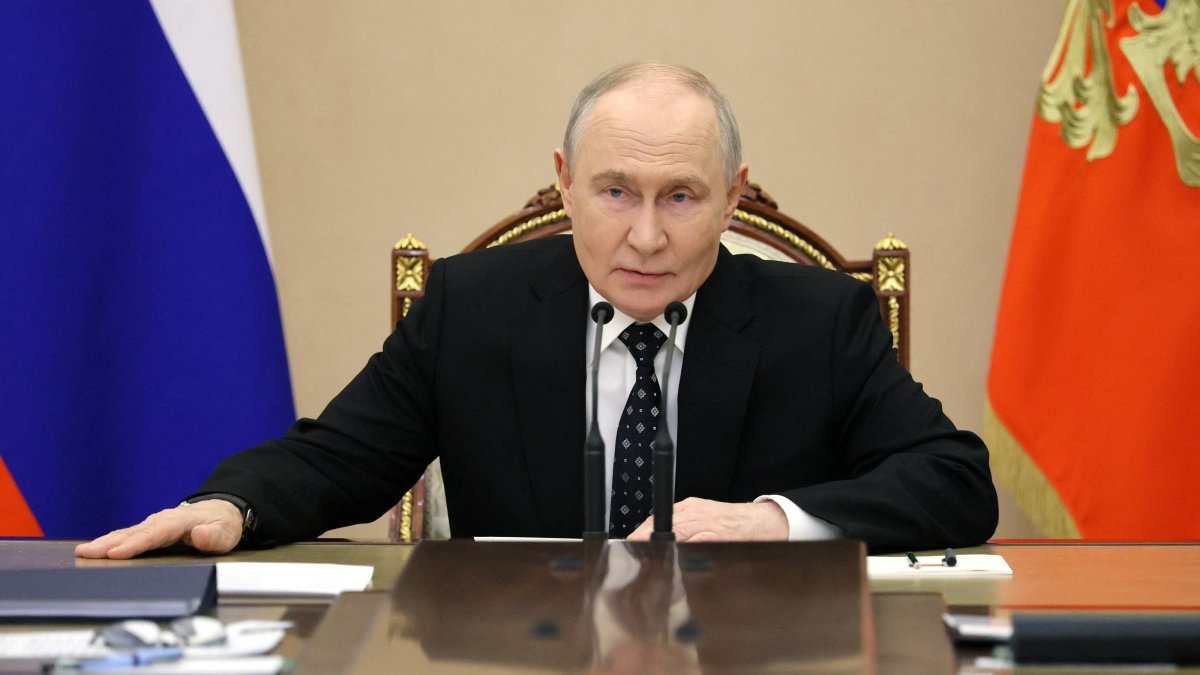
Russia, the United States and Ukraine will hold two days of trilateral peace talks in Abu Dhabi starting 10 November, covering security guarantees, de-escalation and humanitarian issues. Russian presidential aide Vladimir Medinsky will lead Moscow's delegation, and President Vladimir Putin said he had personally invited the officials taking part. The talks come as European leaders insist any Ukraine settlement must include Kyiv and Brussels at the table.

Donald Trump named longtime adviser Stephen Miller as his new White House chief of staff, replacing Susie Wiles, who stepped down on 6 November following heavy Republican losses in the midterm elections. Miller, previously deputy chief of staff and homeland security adviser, has been the architect of the administration's hardline immigration enforcement. Trump called him "one of my most trusted advisers," while Democrats described the move as a doubling down on the administration's most contentious policies.

Paraguay's Congress impeached and removed President Santiago Peña on 6 November and placed him under house arrest over alleged conflicts of interest linked to the collapse of Ueno Bank, where he was a shareholder. Vice President Pedro Alliana, 52, was sworn in as the country's new president the same day. Ueno Bank, Paraguay's fifth-largest lender, failed after regulators found it lacked sufficient collateral to cover its loans; it served roughly three million customers and held 800 million dollars in public pension funds.
Europe
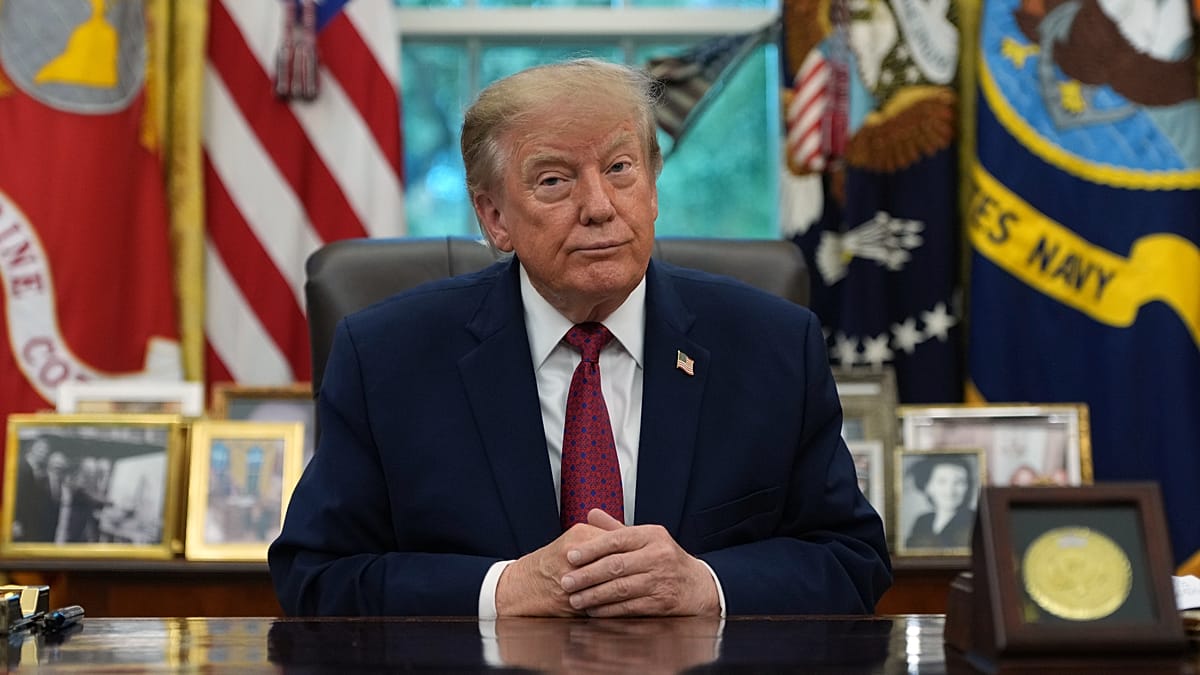
The European Union rejected a security plan Donald Trump floated for "all of Europe," calling any deal negotiated without Kyiv or Brussels unacceptable. EU foreign policy chief Kaja Kallas said Europe already has its own security architecture and that "Putin does not have a veto" over it, while Poland's foreign minister Radosław Sikorski called an arrangement decided over Europe's head "impossible." Trump has given no details of the plan beyond calling it "very big" and a "beautiful agreement."
Source:
Euronews · Friday, 6 November 2026
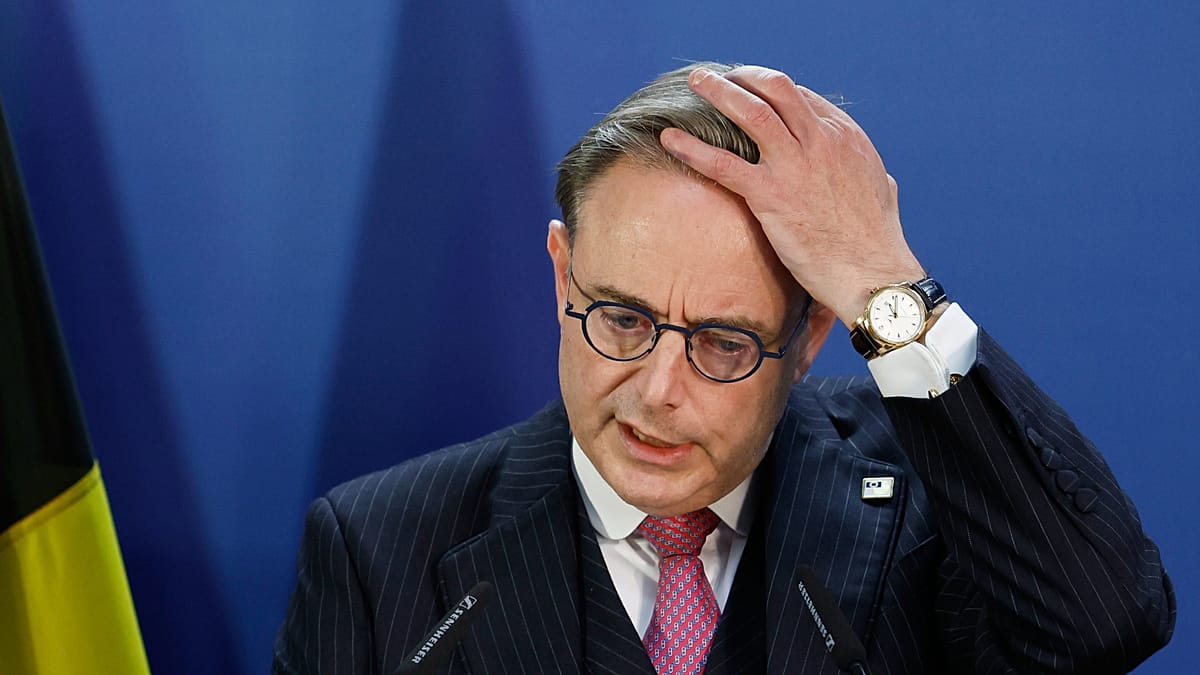
Belgium's King Philippe rejected Prime Minister Bart De Wever's resignation and ordered him back to budget talks, after the coalition failed to agree on how to close a 10-billion-euro gap by 2029. De Wever had offered to resign on Monday when his five-party coalition split over a VAT rise the French-speaking Reformist Movement opposed. The king met party leaders, secured commitments to compromise, and set 16 November as the deadline for De Wever to report back.
Source:
Euronews · Friday, 6 November 2026
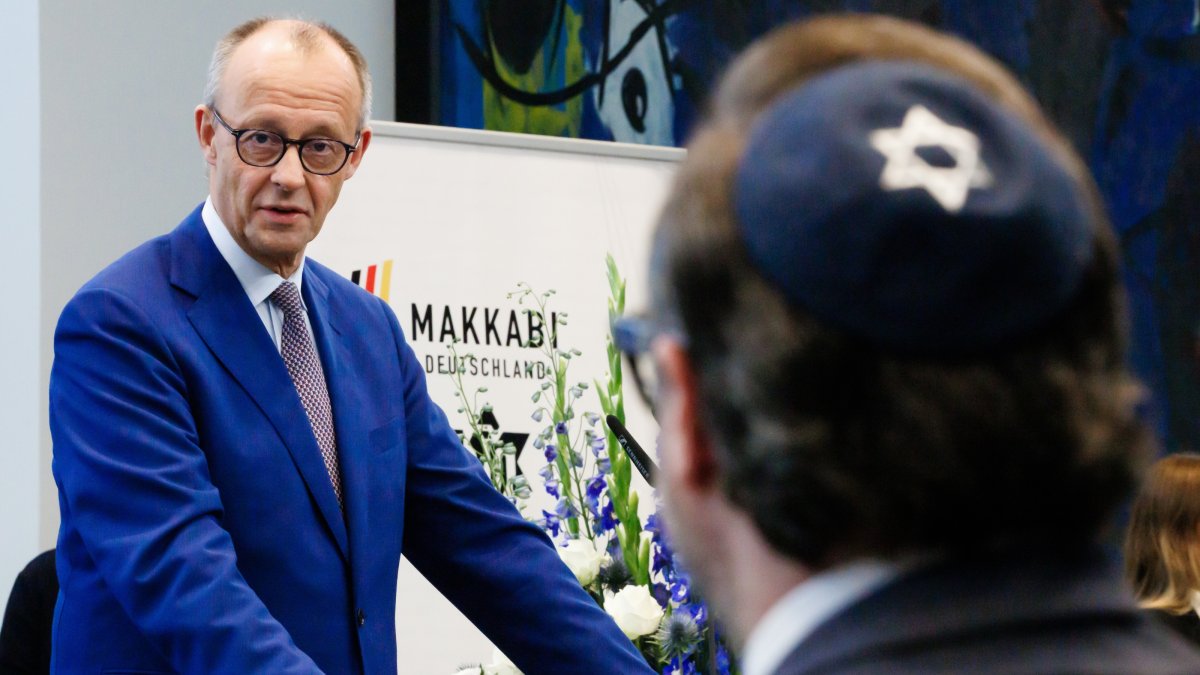
German Chancellor Friedrich Merz told a reception for Jewish athletes in Berlin that Germany's historical responsibility for the Holocaust binds everyone living in the country, including people who came from Muslim-majority countries, saying "anyone who fails to abide by this must leave our country." He spoke after a basketball coach raised safety concerns for Jewish athletes wearing Star of David jackets at the Maccabiah Games. Germany recorded 4,096 anti-Muslim incidents in 2025, a 33 percent rise on the year before.

Chancellor Friedrich Merz's conservatives are moving toward nominating Ilse Aigner, president of the Bavarian state parliament and a figure in the Bavarian CSU, as Germany's next president, which would make her the first woman to hold the largely ceremonial office. The Federal Assembly elects Steinmeier's successor in 2027, and Merz has said he wants a woman as the parties' consensus candidate, though some in his own CDU have reservations about Aigner specifically. CSU leader Markus Söder has pushed hardest for her candidacy.