Tunisia
The volume of Tunisian Treasury bonds in circulation reached 37.23 billion dinars on October 1, up 5.69 billion, or 18.1 percent, over the year, according to central bank (BCT) figures. The long end, assimilable Treasury bonds, rose 24.7 percent to 35.5 billion dinars, while short-term bills fell 44.1 percent to 1.69 billion; the 2026 finance law earmarks 19 billion dinars for domestic borrowing. Such a sharp rise in state borrowing risks crowding out private lending, making financing more expensive for Tunisian businesses and households.
Source:
WebdoTN · Friday, 2 October 2026
A decree dated September 30 extends the payment deadline for Tunisians seeking “economic reconciliation” over corruption accusations, moving away from a flat 50 percent upfront payment toward a case-by-case assessment, and gives the commission that rules on applications wider discretion. Lawyer Amel Hammami stresses that a provisional agreement only “suspends” the criminal consequences temporarily: if the applicant fails to meet their obligations, “prosecution, trial or sentence execution can resume,” and any funds pledged as guarantee revert to the state. Hammami places the 2026 reform as a further stage in a mechanism set up in 2022 and already amended in 2024. It targets economic and financial offences and reaches acts committed before 2022.
Source:
WebdoTN · Saturday, 3 October 2026

Tunisia's Health Minister Mustapha Ferjani and Communications Technology Minister Sofiene Hemissi signed a national health charter on October 3 that aims to use digital transformation to reach universal health coverage and reduce unequal access to care in interior regions, following an international digital health conference in Tunis. The charter sets out six strategic pillars, from equitable access to digital health services to a national telemedicine rollout, building on the Evax vaccination platform that already links some 2,000 health centres. The World Health Organization and the World Bank are backing the initiative, with a follow-up meeting planned in Japan in December.
STEG published a new tender on October 4 for turnkey construction of gas-engine power plants totaling 200 megawatts, divided into four lots: the north-west, the north-east, the south-west and the south-east. Bidders have until November 6 to respond. It is a relaunch rather than a new project: a nearly identical 2025 tender for the same 200 MW, run as a single national contract, was repeatedly postponed and had drifted to a February 2026 deadline before this version split it across the four sites instead. STEG itself notes Tunisia's heavy reliance on gas for electricity, and industry figures describe gas engines as useful for balancing a grid that is adding more solar and wind capacity. Natural gas still supplied 90.8% of Tunisia's electricity as of July, even as the country's energy independence rate fell from 46% in 2025 to 42%.
Source:
WebdoTN · Sunday, 4 October 2026
Europe

Spain's parliament rejected two government decrees meant to protect tenants on October 2, by margins of 178 to 172 and 184 to 166, and the next day protesters took to the streets in more than 50 cities, with organisers putting the Madrid crowd at nearly 500,000 against the police's 70,000 estimate. Demonstrators are demanding a 50 percent rent cut, open-ended leases and the expropriation of flats held by investment funds, and tenants' unions are now threatening a general strike. Prime Minister Pedro Sánchez, who said before the vote that an early election was not on the table, acknowledged afterward that his government would “analyse the situation without ruling out any option.”
Source:
Euronews · Saturday, 3 October 2026

Aleksandar Vučić, who resigned as Serbia's president on 27 September rather than serve out his constitutionally final term, formally opened his campaign on October 4 to become prime minister instead if his party wins the October 25 snap parliamentary election. The bid follows nearly two years of sustained antigovernment protests, triggered by a November 2024 railway station canopy collapse in Novi Sad that killed 16 people, and now faces a student-led movement running its own electoral list. “Absent an intervention of some [foreign intelligence] service, we will defeat them,” Vučić said of the opposition, himself hinting at foreign interference without offering evidence.
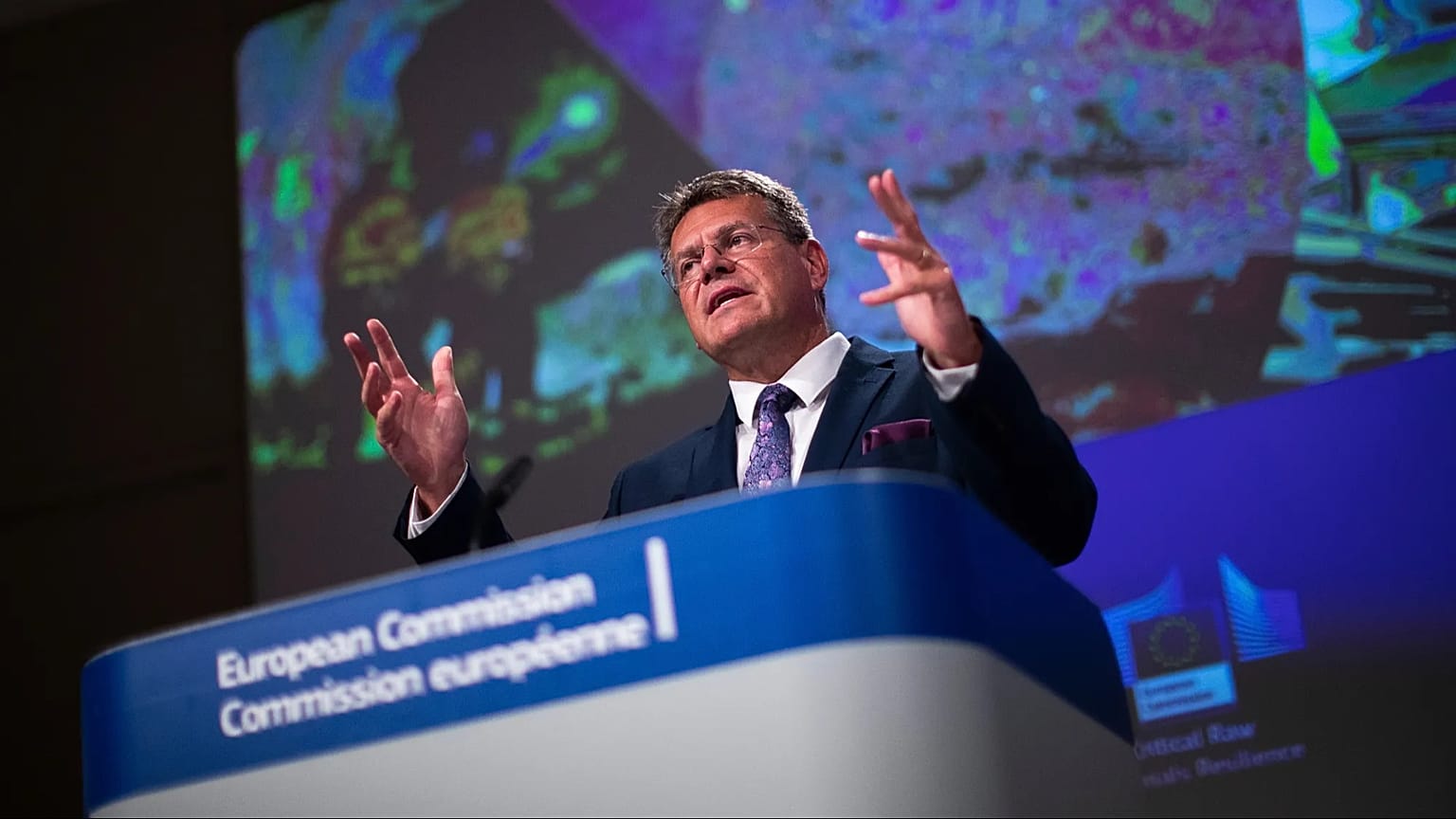
China announced an anti-dumping investigation into EU exports of p-nitrotoluene, a chemical, on October 3, claiming it is being sold in the Chinese market at artificially low prices. The move comes days before EU Trade Commissioner Maroš Šefčovič travels to Beijing on October 8-9 for negotiations, and after the EU opened its own investigation into Chinese PVC imports in September; the EU's trade deficit with China now runs at roughly one billion euros a day. Šefčovič has warned that without concrete results from the Beijing talks, pressure will build for “harsher measures” ahead of an EU summit in Brussels on October 15-16.
Source:
Euronews · Saturday, 3 October 2026
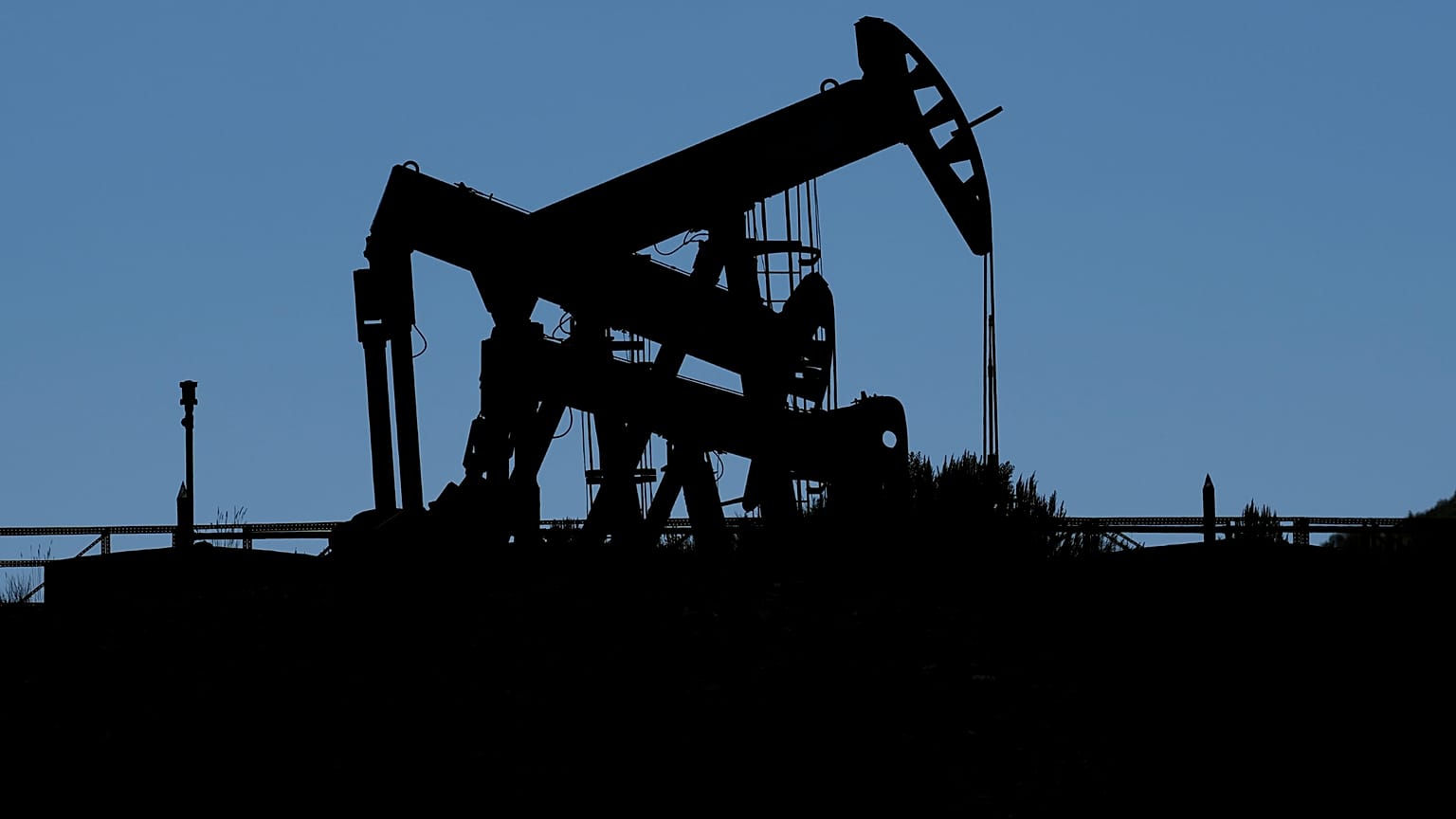
The International Energy Agency said on October 3 that around 325 million of the 400 million barrels its 32 member countries pledged in March have already been released, leaving 75 million barrels of that original commitment outstanding. The statement came a day after the G7 promised a further 100 million barrels over four months, but the IEA did not specify whether the new barrels count against the outstanding 75 million or come on top of them, leaving unclear how much genuinely new oil is actually on its way. The ambiguity makes it hard to know how quickly Europe's record diesel prices can ease.
Source:
Euronews · Saturday, 3 October 2026
