Tunisia
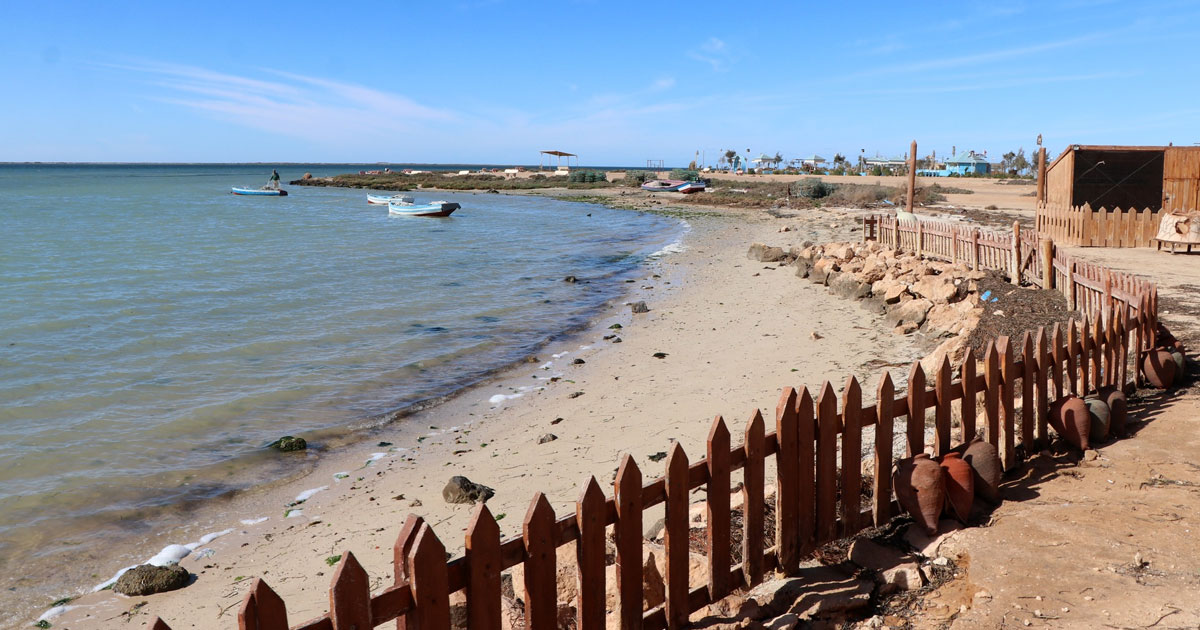
A boat carrying around 15 people from Ben Guerdane and Zarzis sank off the Tunisian coast on the night of 21 to 22 August, roughly six hours after leaving port. One survivor was rescued after nearly 24 hours at sea. Eight bodies have been recovered and six people remain missing, as the Tunisian navy and coastal units continue searching. A judicial investigation has been opened.
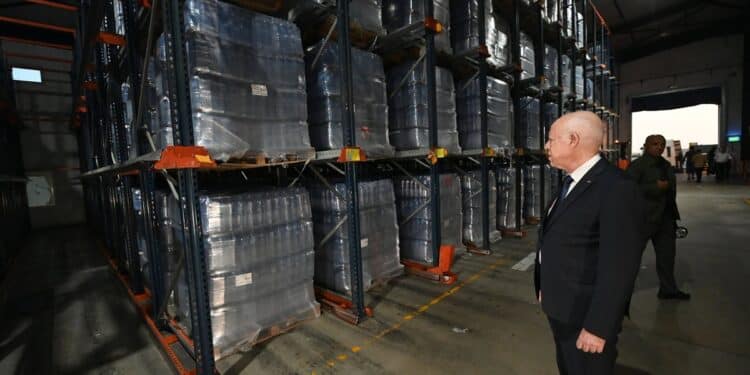
President Kaïs Saïed said during a visit to the Kairouan and Mahdia regions that recent water and electricity disruptions 'did not happen naturally', claiming to hold detailed, documented information about who is behind them without naming anyone publicly. The remarks follow weeks of unannounced cuts across several regions that utility officials and industry figures have attributed to ageing infrastructure, heatwaves and power shortages at pumping stations.
Source:
Webdo · Sunday, 23 August 2026
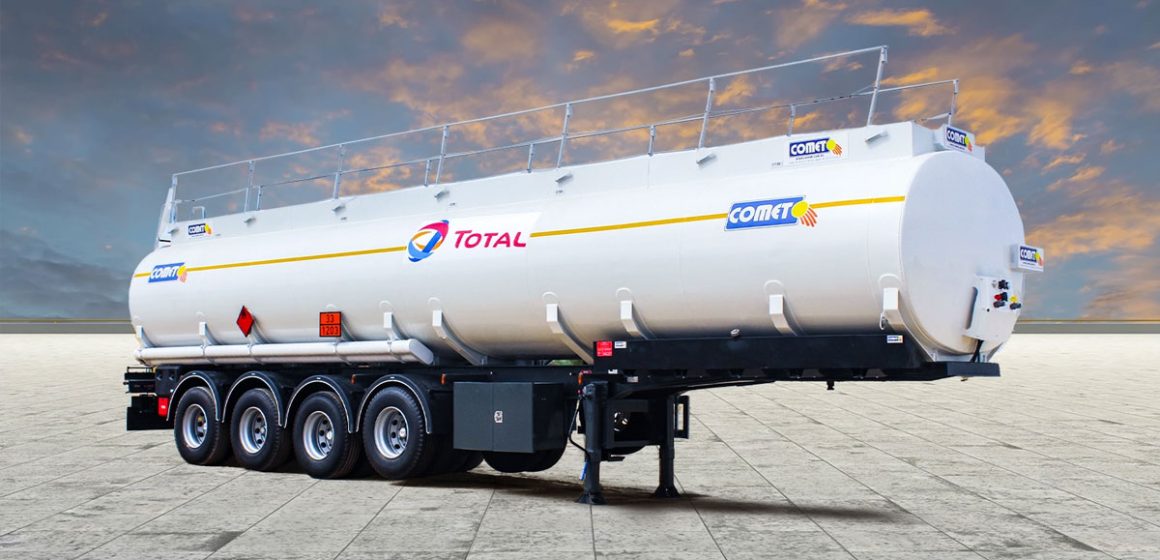
Tunisia's General Petroleum Federation is preparing a formal strike notice after a spontaneous truckers' strike last week caused fuel shortages and queues at petrol stations, the UGTT trade union confederation says. The federation wants overdue wages paid, health cards issued and earlier agreements it calls a dead letter implemented. The sector's previous strike notices have generally ended in negotiation rather than actual stoppages, and parallel talks between the energy ministry, transport firms and unions are continuing.
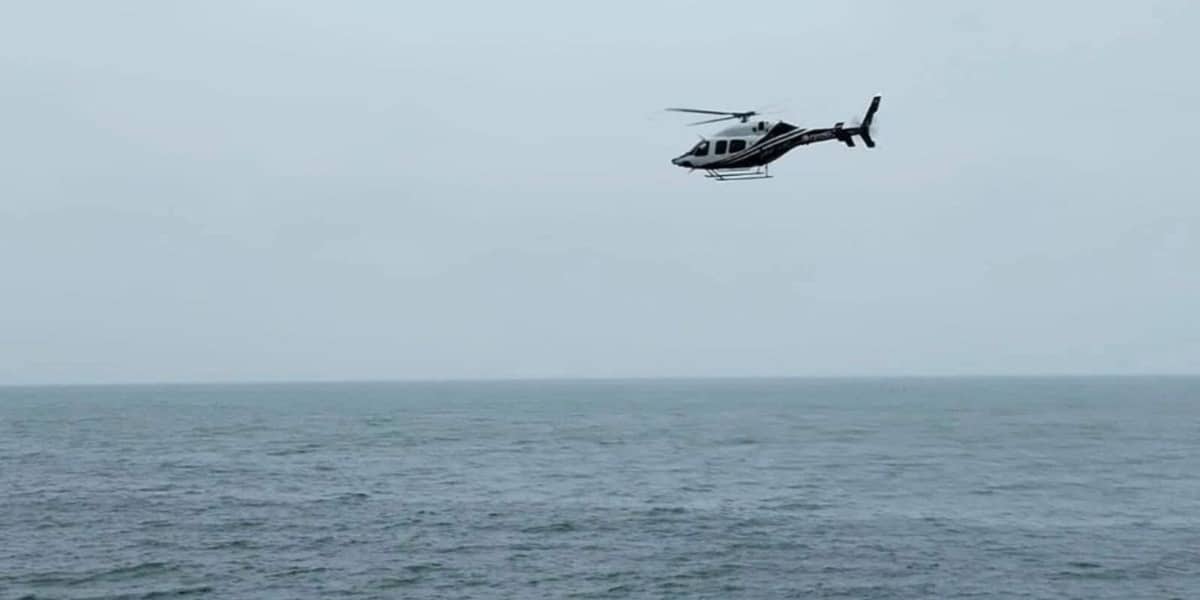
The National Guard says twelve bodies have now been recovered after the migrant boat sank off Zarzis, with two people still missing and one survivor, out of fifteen who were aboard. A judicial investigation into the sinking remains open. For a second consecutive night, residents of Ben Guerdane protested the state's handling of the tragedy and demanded a national day of mourning, and police used tear gas to disperse the crowds.
Source:
Webdo · Monday, 24 August 2026
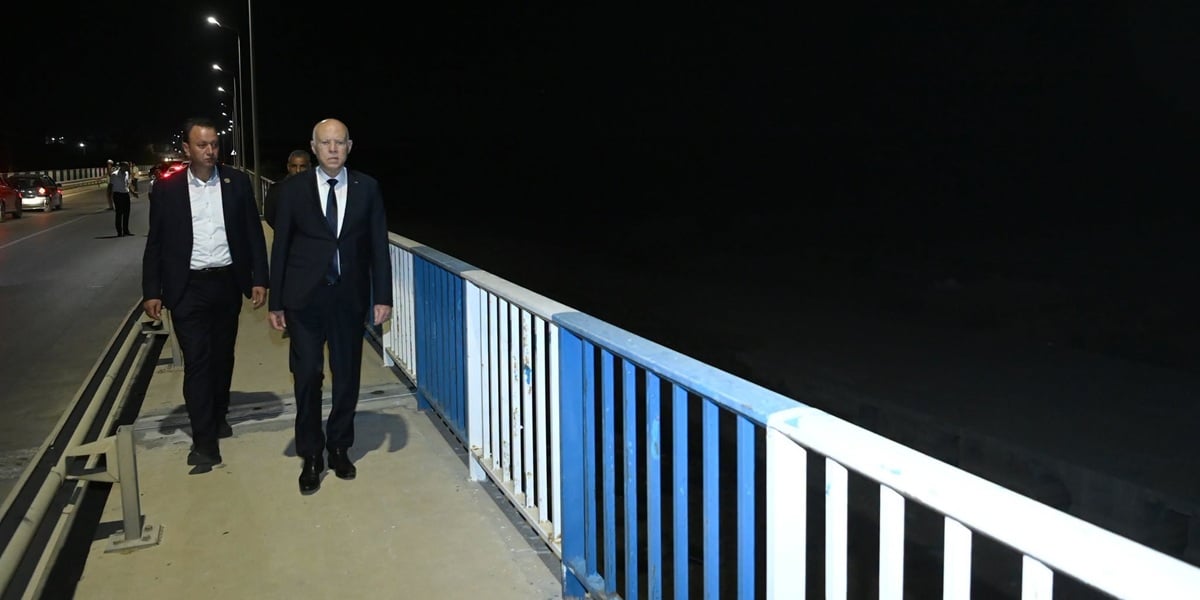
Tunisia's Agriculture Ministry began operations at the Nebhana dam on 24 August, under a plan with four strands: dredging and cleaning the reservoir, cracking down on illegal water pumping, repairing damage to seasonal riverbeds, and clearing unauthorised structures from the public water domain. The move follows President Kaïs Saïed's visit to the dam over the weekend of 22-23 August, where he criticised its poor maintenance amid a summer of unannounced water cuts.
Source:
Webdo · Monday, 24 August 2026
Geopolitics
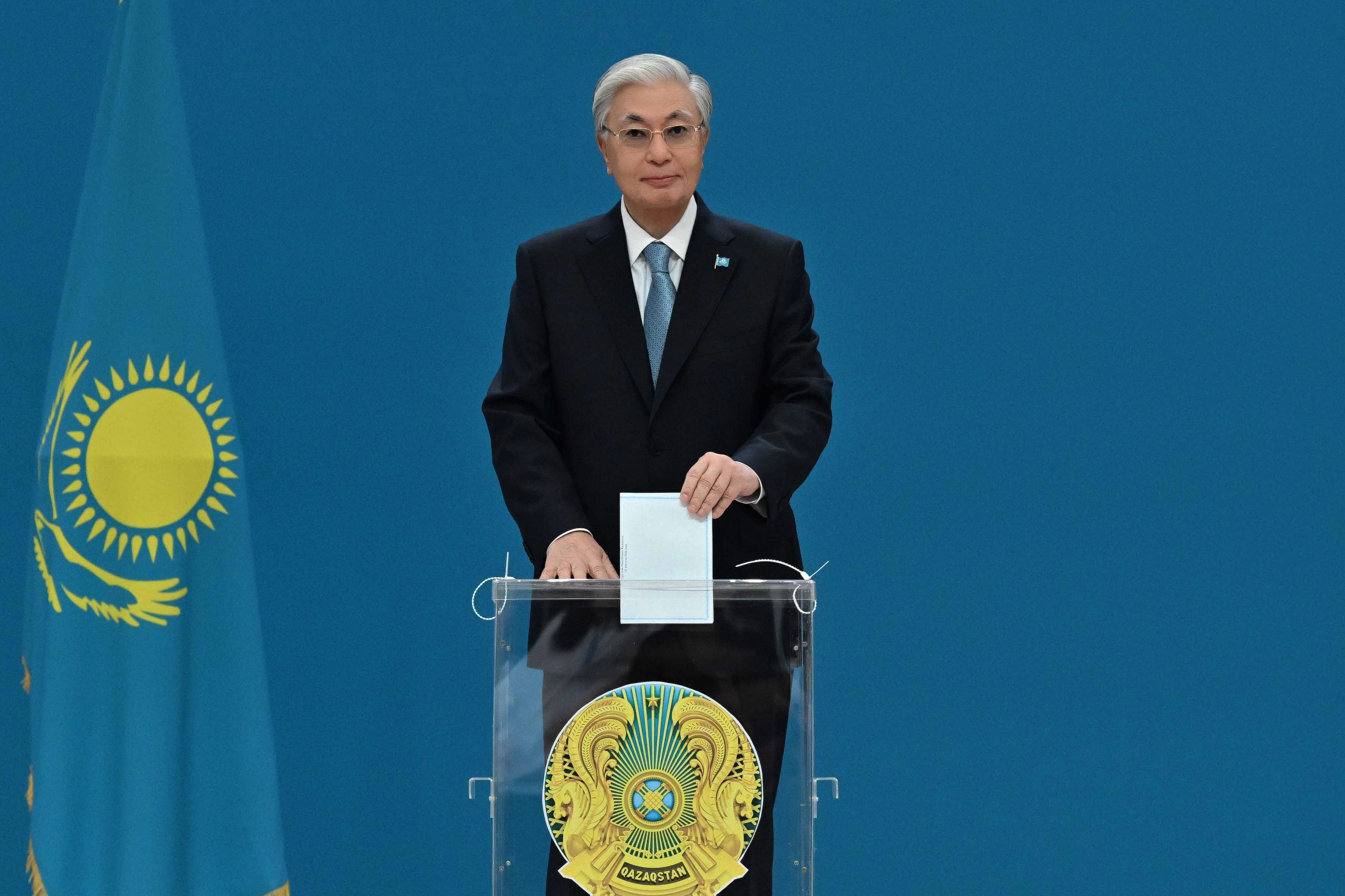
Exit polls gave President Tokayev's Adilet party 70 to 72 percent of the vote in Kazakhstan's first election to the new single-chamber Kurultai, with turnout above 74 percent. The party, formed this year by Tokayev's aides, absorbed the long-ruling Amanat party; four small opposition parties also won seats. The result cements Tokayev's hold over the oil, uranium and mineral-rich country.
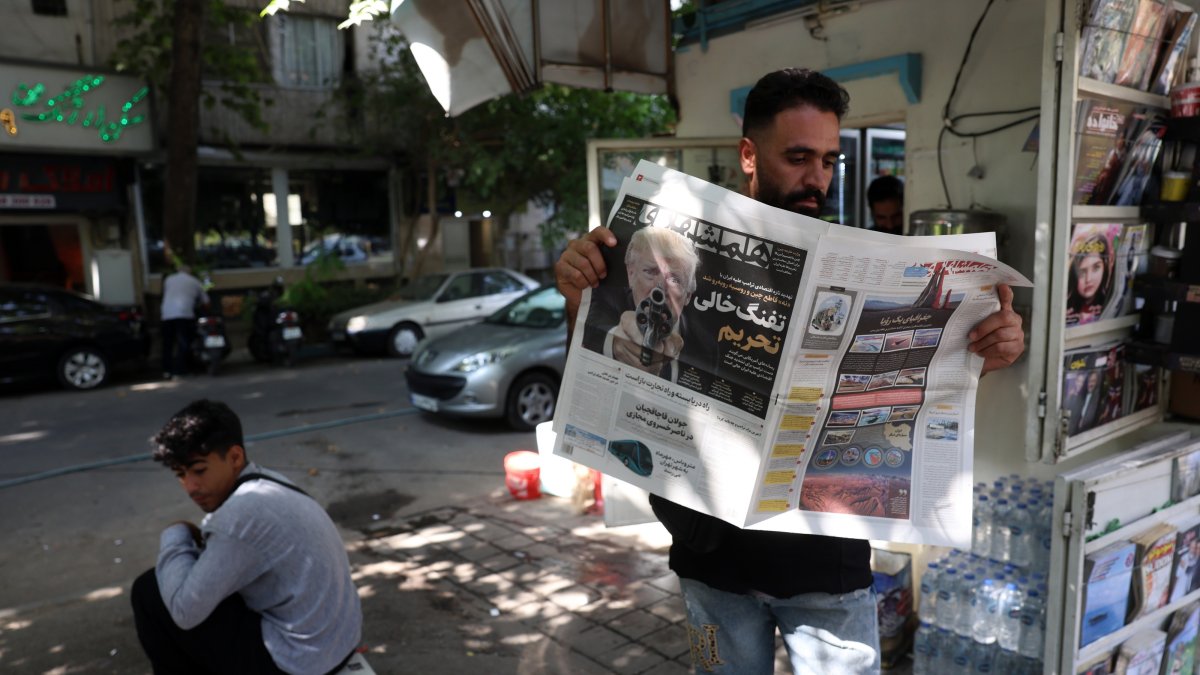
President Pezeshkian said Iran's memorandum of understanding with the United States, agreed in June with a 60-day deadline that has since lapsed without resolving the dispute over the Strait of Hormuz, involves 'not a single provision that amounts to capitulation'. The two sides remain far apart on reopening the strait, nearly six months after the US-Israeli campaign against Iran began, and hardline official Mohsen Rezaei warned of 'seismic' retaliation if neighbouring states join US economic pressure.

The Ebola epidemic in the Democratic Republic of Congo has reached 5,515 confirmed cases and 2,642 deaths, a case fatality rate of nearly 48 percent, making it the country's deadliest outbreak on record. Pope Leo urged the international community to act, and the WHO, which has declared a Public Health Emergency of International Concern, has so far sent 16,250 of a pledged 70,000 vaccine doses.
Europe

President Zelenskyy said holding elections during the war would be a huge risk that could split the country, responding to a call for a wartime vote from Mykhailo Fedorov, the former digital minister he dismissed in July. Ukrainian law bars elections while martial law is in force, and a survey published in early August found 57 percent of Ukrainians want elections held only after the fighting ends.
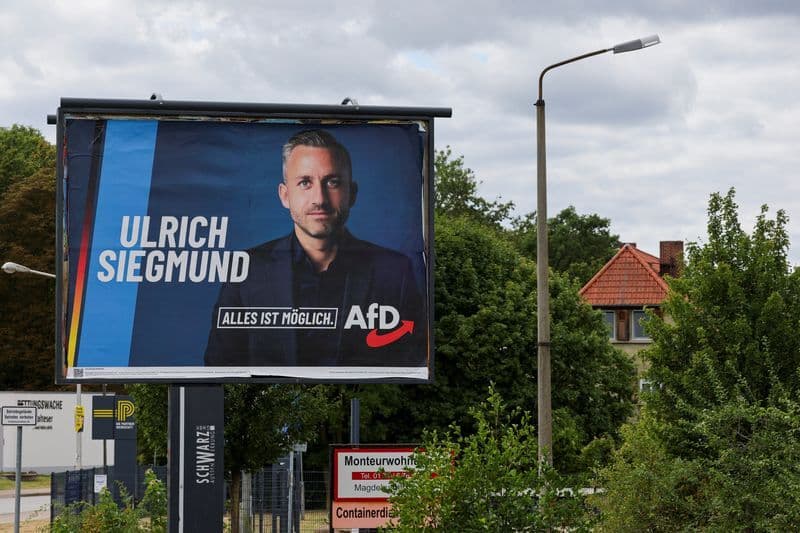
The far-right AfD leads an Infratest dimap poll with 41 percent support ahead of Saxony-Anhalt's state election on 6 September, far ahead of the CDU's 24 percent. Every mainstream party has ruled out governing with the AfD, and the CDU says a 'firewall' against the party is necessary because, in the CDU's words, AfD 'poses a threat to Germany's fundamental principles'. AfD co-leader Alice Weidel dismissed that strategy, saying the CDU 'will never win another federal election'.
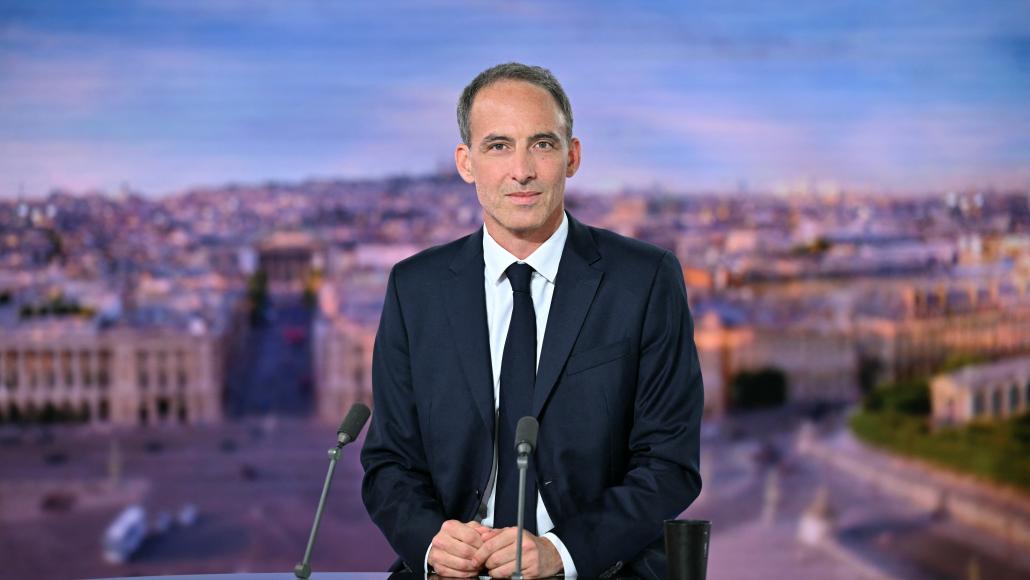
MEP Raphaël Glucksmann confirmed on French television that he will run for president in 2027, entering a social-democratic primary in October organised jointly by the Socialist Party and his own party, Place publique. He ruled out any electoral agreement with Jean-Luc Mélenchon's La France Insoumise if he wins, while leaving the door open to the Greens and Communists.
Source:
LCP · Sunday, 23 August 2026