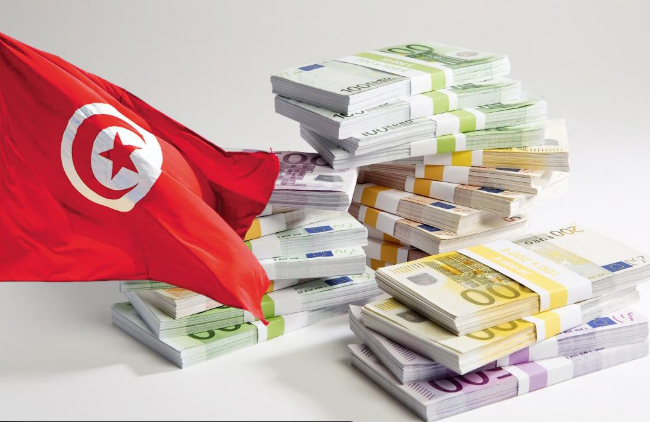
Tunisia is due to repay today, Wednesday July 15, the 700-million-euro eurobond it issued in 2019 at a 6.375 percent coupon, the single heaviest item in this year's financial calendar, which L'Économiste Maghrébin puts at roughly 2.3 billion dinars including interest. The outlet frames the payment as closing the country's direct borrowing on international markets: for several years Tunisia has stuck to domestic financing rather than issuing new bonds abroad. The shift is real but not free, on Banque Centrale figures presented by analyst Moez Hadidane on July 10, external debt fell from 46.7 to about 39 percent of GDP between 2024 and 2025 while domestic debt rose from 113.8 to 115.4 percent, and the state's own domestic debt jumped 21 percent to 75 billion dinars.

The specialised terrorism chamber at the Tunis Court of Appeal has increased prison terms in two separate files concerning irregularities in the investigation into Chokri Belaid's assassination: former dismissed public prosecutor Bechir Akremi now faces a cumulative 29 years against 23 at first instance, while Ennahdha leader Habib Ellouze and Hassan Ben Brik go from 13 to 17 years each. Akremi was convicted of, among other things, deliberately failing as a public official to arrest a suspect so he could evade prosecution and of concealing the truth by abusing his judicial powers; the other two of putting their skills and information at the service of people linked to terrorist acts. The court also confirmed administrative supervision of all three after their sentences end. The case sits at the centre of Tunisia's argument over whether the judiciary itself buried the killing of the left-wing leader.

STEG chief executive Faycel Trifa attributes the 30-to-45-minute rolling cuts to record air-conditioning load, saying they are meant to relieve individual feeders and avert a nationwide collapse, and urging households to run a single unit. The utility's commercial director Hind Neifer told national radio that STEG can compensate proven appliance damage if claims are filed within 48 hours, and that sensitive sites and health facilities are exempt from the cuts. In a statement dated July 14, the environmental and climate justice unit of the FTDES says the water crisis has moved well beyond the neglected interior: SONEDE has announced disruptions in Ariana and Ben Arous and in Bir Mcherga and Jebel Oust, and nightly shut-offs from midnight to dawn in Sousse, Monastir, Mahdia, Nabeul and Kairouan, while dam filling stands near 60 percent, which the group reads as proof of a management and network failure rather than genuine scarcity, and which has already produced protests and road blockades, notably in Metlaoui.