Tunisia
Following a call from President Kaïs Saïed to defend small farmers against buyers who depress harvest prices, the government mobilised 150 million dinars through public and private banks so the National Oil Office can buy up domestic production. It added 20 million dinars in preferential-rate credit for small farmers via the Tunisian Solidarity Bank, raised the maritime-transport subsidy for packaged oil exports from 50% to 60%, and expanded storage capacity to 60,000 tonnes.

A new decree-law published 30 September sets the framework for new municipal councils, after the old ones' 2023 dissolution, in 140 articles covering their powers, disputes and digitalisation, including analytical accounting by 2032. The election authority ISIE says it can organise municipal elections within a “relatively brief” timeframe, expected in late 2026 or early 2027. Still undecided: whether candidates will run individually or on party lists, a question with weight after low turnout in recent votes.
Source:
Réalités · Monday, 26 October 2026
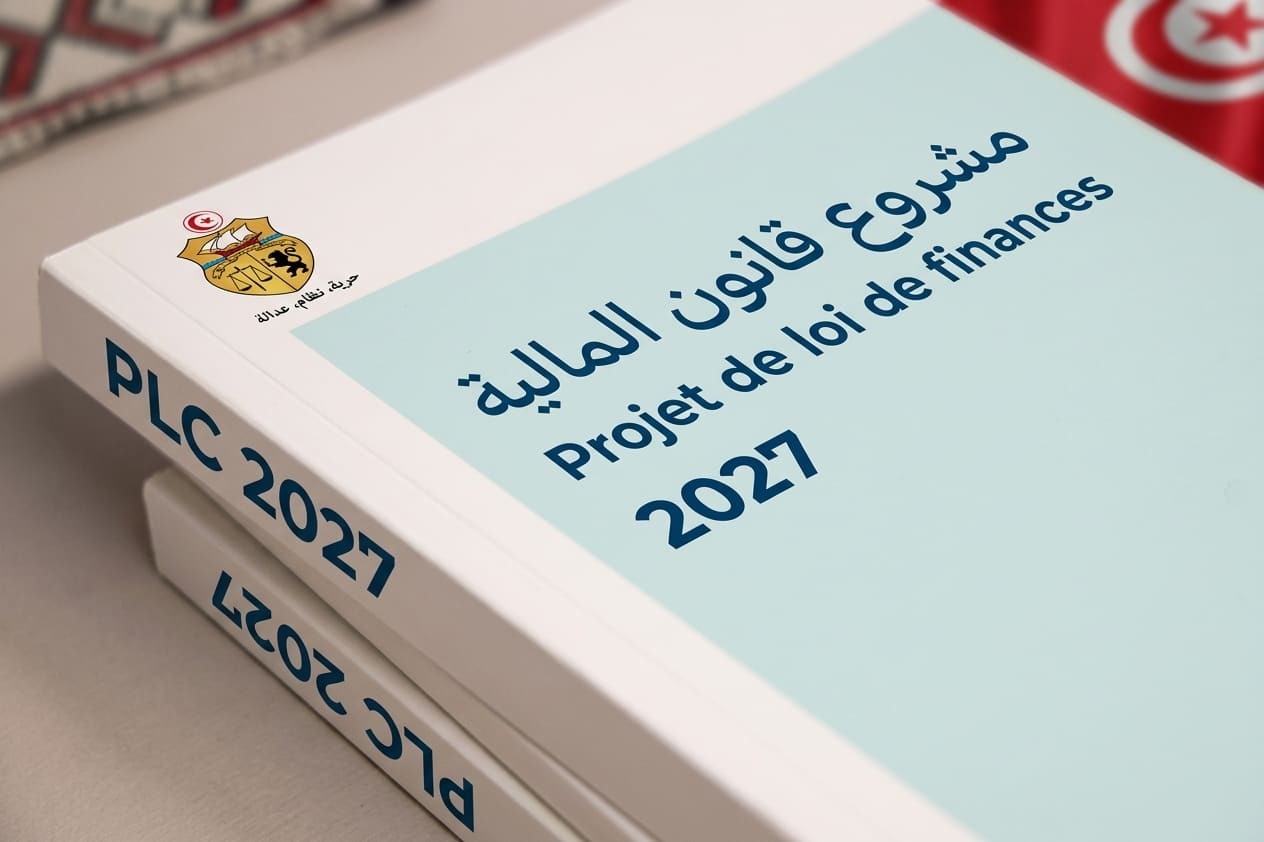
Tunisia's draft 2027 budget, detailed 26 October, puts total spending at 68.5 billion dinars against 54.28 billion in revenue, a 14.2-billion-dinar deficit. The 54.28 billion includes 49.6 billion in tax receipts, a figure first reported 25 October, plus 4.33 billion in non-tax revenue and 350 million in grants. The bill would let the central bank lend the Treasury 9.8 billion dinars directly, interest-free and repayable over 15 years with a 3-year grace period.
Source:
Réalités · Monday, 26 October 2026
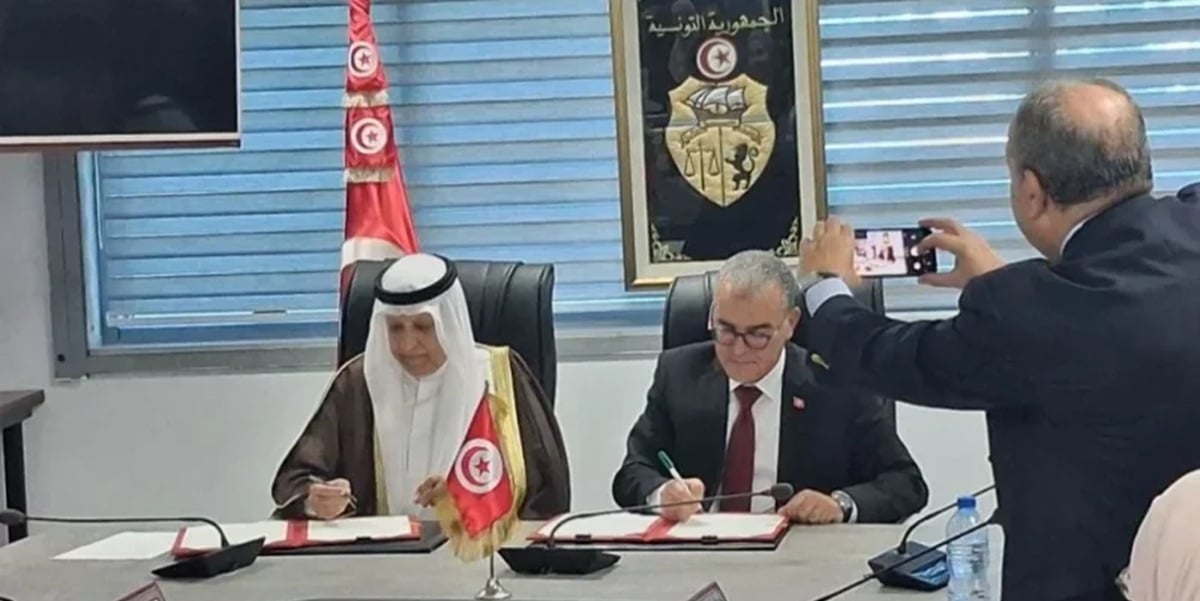
Economy and Planning Minister Samir Abdelhafidh and the Arab Fund for Economic and Social Development (FADES) signed two financing agreements worth about 432 million dinars on Tuesday, for two projects whose combined cost is 855 million dinars: a roughly 40-kilometre highway from Bousalem to Fernana, including Jendouba's northern bypass, and the rehabilitation of 67 rural roads spanning 253 kilometres across 21 governorates. FADES is contributing 288 million dinars to the highway and 144 million to the rural roads, about 80% of that programme's cost.
Source:
Webdo · Tuesday, 27 October 2026

The National Pharmacovigilance Centre (CNPV) has logged close to 4,000 adverse drug reaction reports out of 7,500 consultations between January and October 2026, director Riadh Daghfous said on Tuesday, adding that over 90% of them showed no serious characteristics. The centre counted about 4,300 cases out of 8,578 consultations for all of 2025. Daghfous warned against buying medicines or supplements on social media or outside official channels, and against self-medicating with antibiotics and anti-inflammatories.