Tunisia

The national food safety authority, INSSPA, said on Monday that tap water supplied nationwide by SONEDE meets health standards, after weeks of public distrust over bottled water shortages and mains cuts. The agency says 58,661 samples were tested in 2025, of which only 1.6 percent failed to meet requirements, and that this year's analyses confirm the water's microbiological safety. The statement follows President Saied's claim that some water and power cuts were deliberate rather than technical.
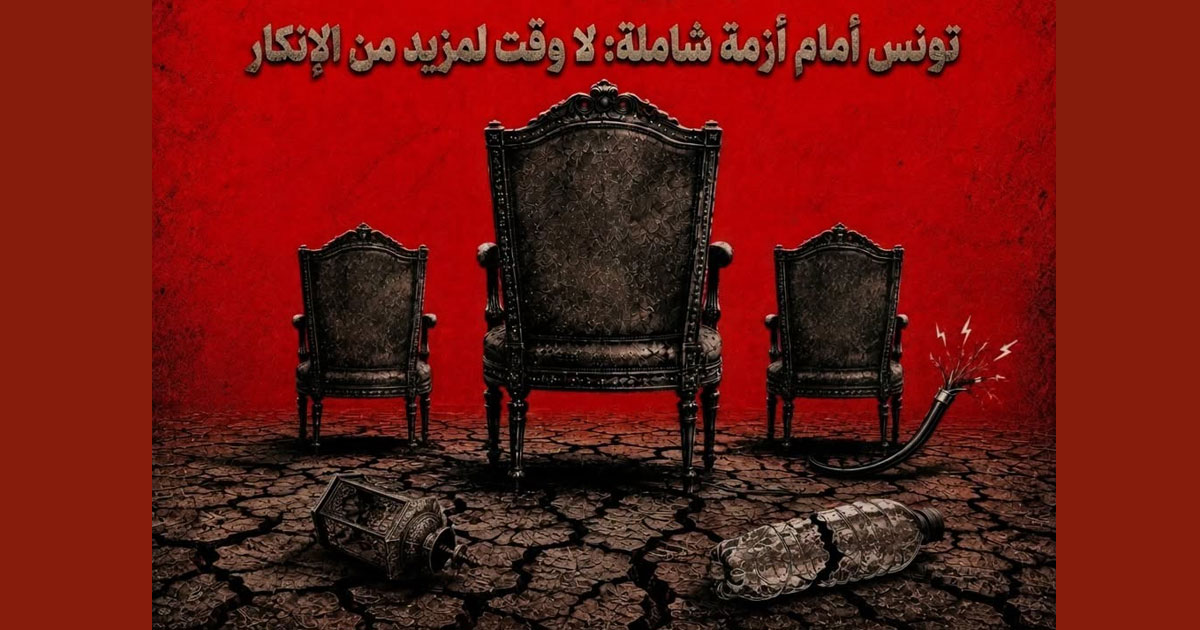
The Tunisian Forum for Economic and Social Rights, FTDES, warned of what it calls a suffocating structural social crisis, driven by difficulties accessing water, power cuts, eroding purchasing power, deteriorating public services and rising social tension. The forum says the combination threatens the country's security and social peace, and is calling for urgent action from the authorities. The warning comes the same week a three-day strike paralyses the state phosphate company in Gafsa and authorities try to calm unease over drinking water.
Source:
Kapitalis · Tuesday, 1 September 2026
The correctional chamber of the Tunis Court of First Instance sentenced activist Seifeddine Arfaoui, a member of the Nafas movement, to eighteen months in prison over Facebook posts reproducing slogans chanted at an August 20 demonstration against President Saied, deemed offensive to the head of state. Arfaoui was prosecuted under article 86 of the Telecommunications Code, which bars harming others through public communication networks. The ruling was handed down at first instance, in his presence.
Source:
Réalités · Tuesday, 1 September 2026
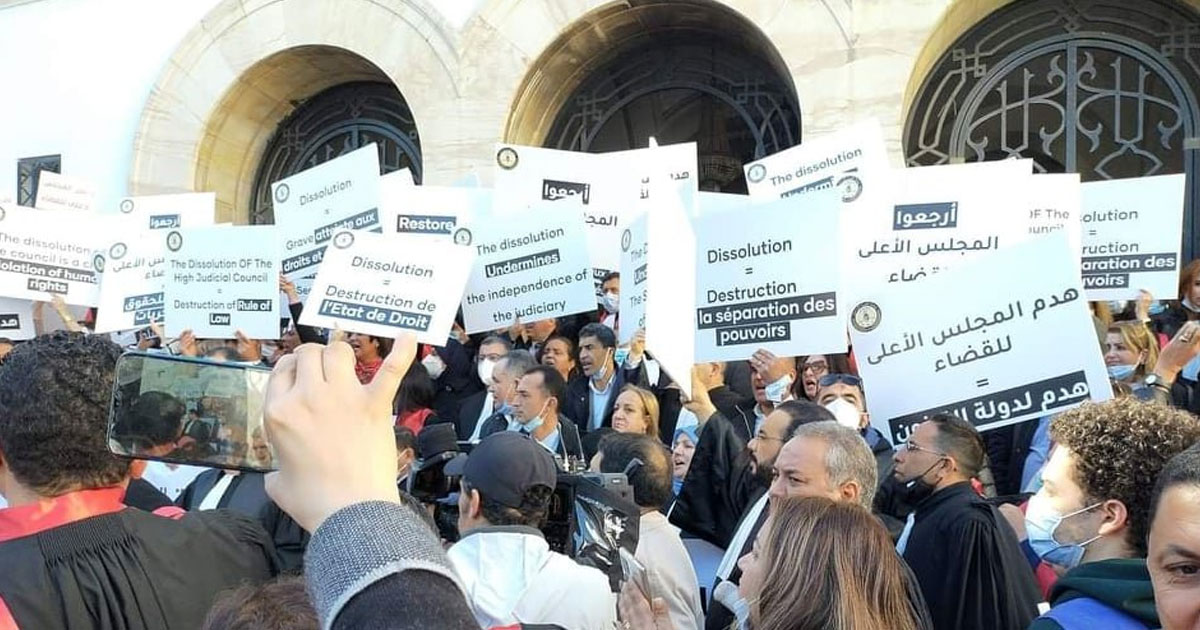
The Association of Tunisian Magistrates said Wednesday that authorities have stepped up suspensions of judges from duty. Many are notified by phone, with no written justification, and left unpaid. The association said board member judge Mohamed Ben Mefteh is among those suspended, calling it retaliation for his defence of judicial independence. It demanded the suspensions be cancelled and salaries restored.
Source:
Kapitalis · Wednesday, 2 September 2026
Geopolitics

The United States carried out new air strikes on targets linked to Iran's Revolutionary Guard in the country's south, the most serious escalation in weeks in the confrontation around the Strait of Hormuz. Iranian officials in Hormozgan province say one strike hit a house hosting a wedding in Sirik, killing at least five people, including a child, and wounding dozens. Iran retaliated with attacks on US bases in Jordan and Bahrain; Jordan's military says it intercepted most of the strikes on its own territory.
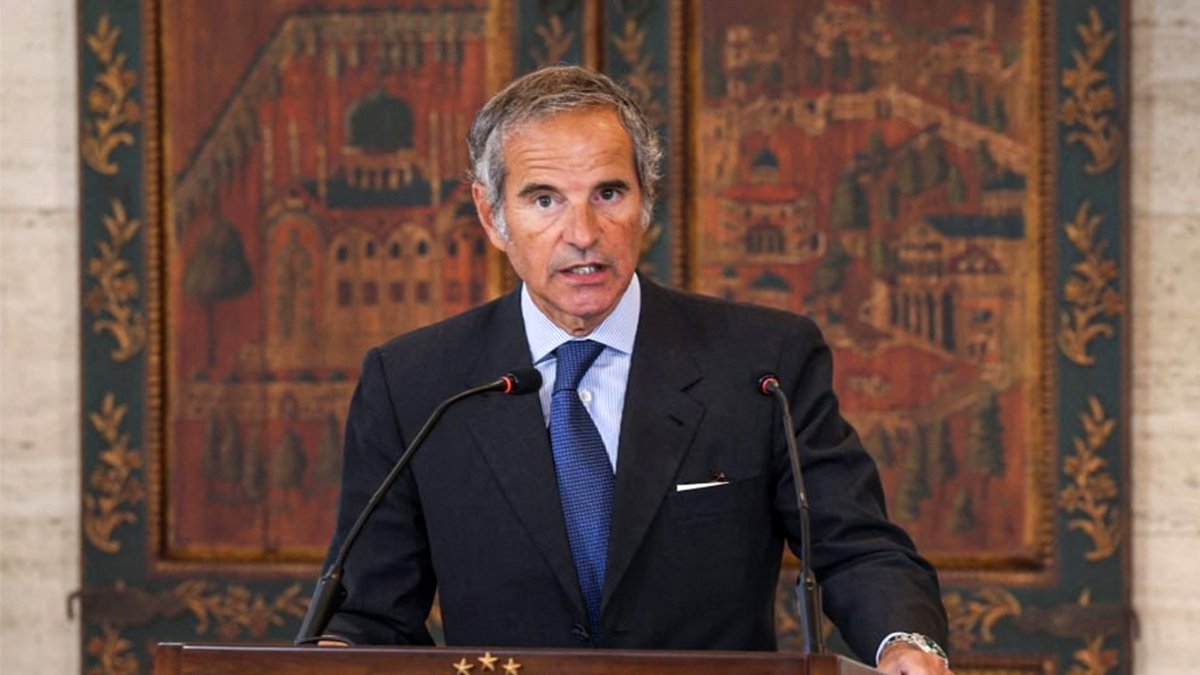
The International Atomic Energy Agency says the former Syrian regime under Bashar al-Assad built a nuclear reactor in Deir ez-Zor without declaring it, along with a fuel fabrication facility and a fuel storage site. Inspectors visited the site on August 29 and confirmed that the excavated cooling infrastructure is consistent with a nuclear reactor. Syria's new transitional government has granted the IAEA access to long-suspected sites, unlike the Assad regime before it.

Venezuela's ruling party-dominated National Assembly voted through an oil deal with the US administration ahead of a visit to Caracas by US Energy Secretary Chris Wright. Under the deal, private firm North American Blue Energy Partners receives a hundred-year lease over 17 oilfields with an initial production target of 1.5 million barrels a day, in exchange for 19 dollars from every barrel sold to the US flowing to the Venezuelan state. Some opposition lawmakers abstained, criticising the fact that the deal's full terms have not yet been published.
Europe
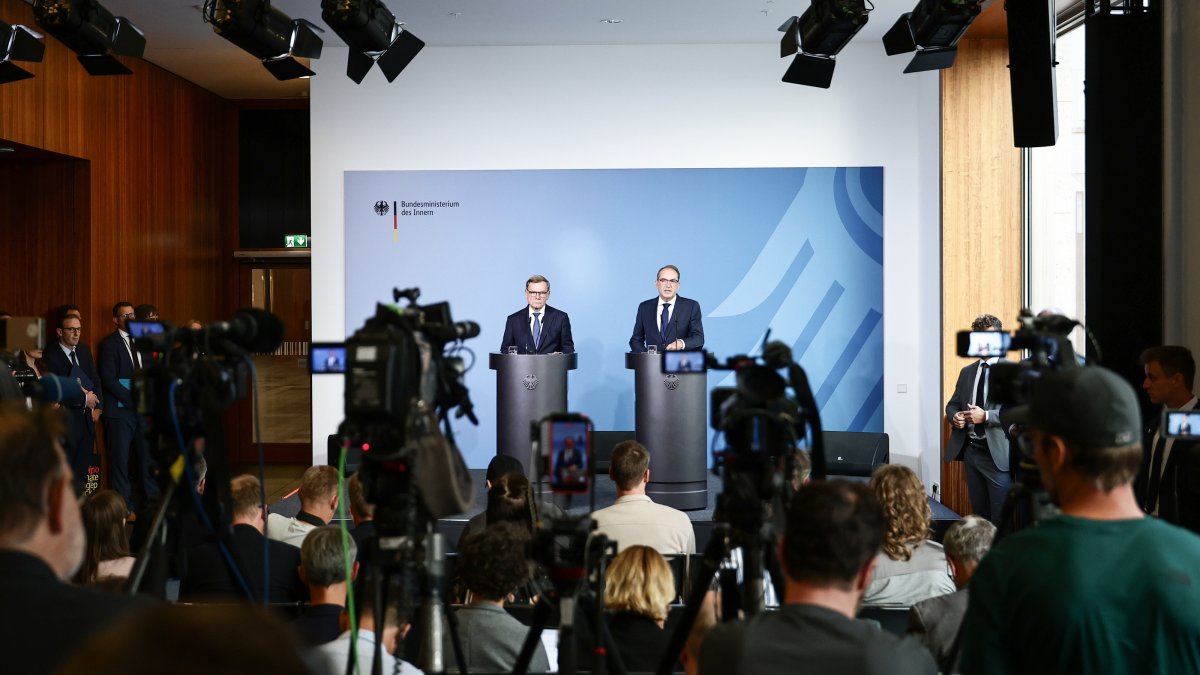
Germany's government says Russia was behind an attempt to attack Leipzig/Halle airport with an explosive-laden drone on August 4, found near a Ukrainian cargo plane and defused before it could detonate. Interior Minister Alexander Dobrindt said the attack fits the pattern of Russian hybrid operations. In response, Germany is closing the Russian consulate in Bonn from September 18 and ending the arrangement for the Russian House cultural centre in Berlin, and wants tighter EU sanctions on Russia.
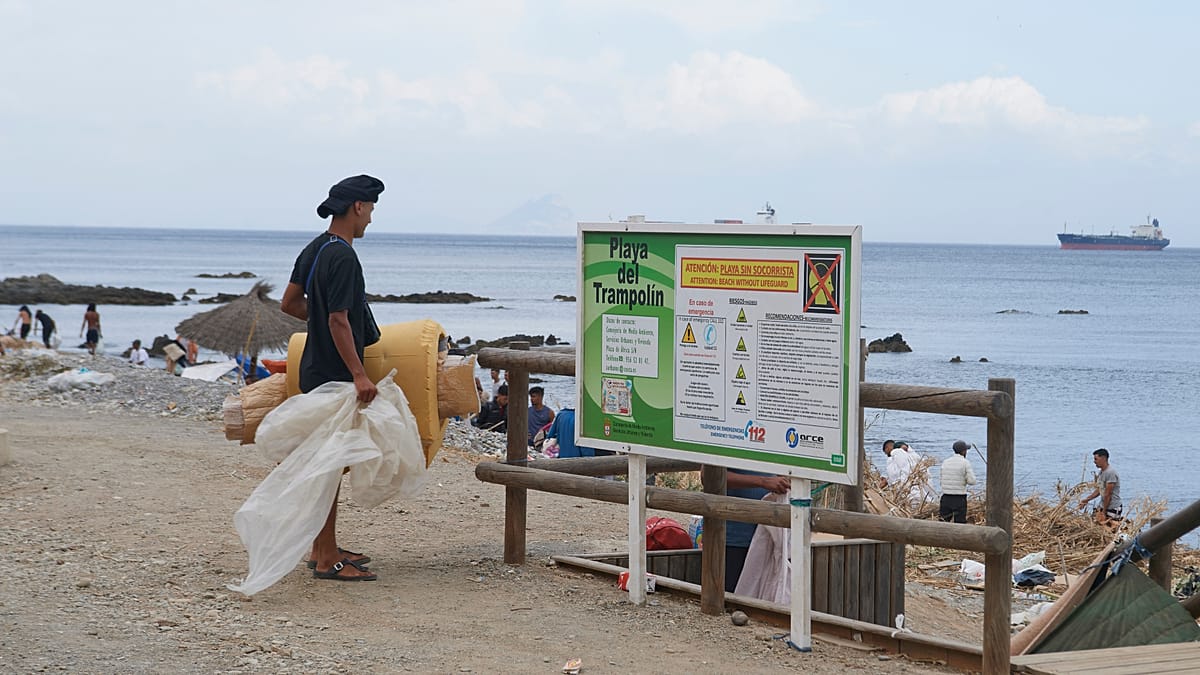
Spain's government approved an extraordinary aid package of 309 million euros for the North African enclave of Ceuta, a larger sum than the roughly 165 million euros it approved a month earlier as a first response. The new package is worth around 16 percent of the city's GDP, to be spent over the rest of 2026 on healthcare, education and water treatment, on defence and security forces, on care for unaccompanied migrant minors, and on direct support. It follows an unprecedented surge in which more than 72,000 migrants crossed into Ceuta from Morocco over two days in late July. At least a hundred people died in that crossing.
Source:
Euronews · Tuesday, 1 September 2026
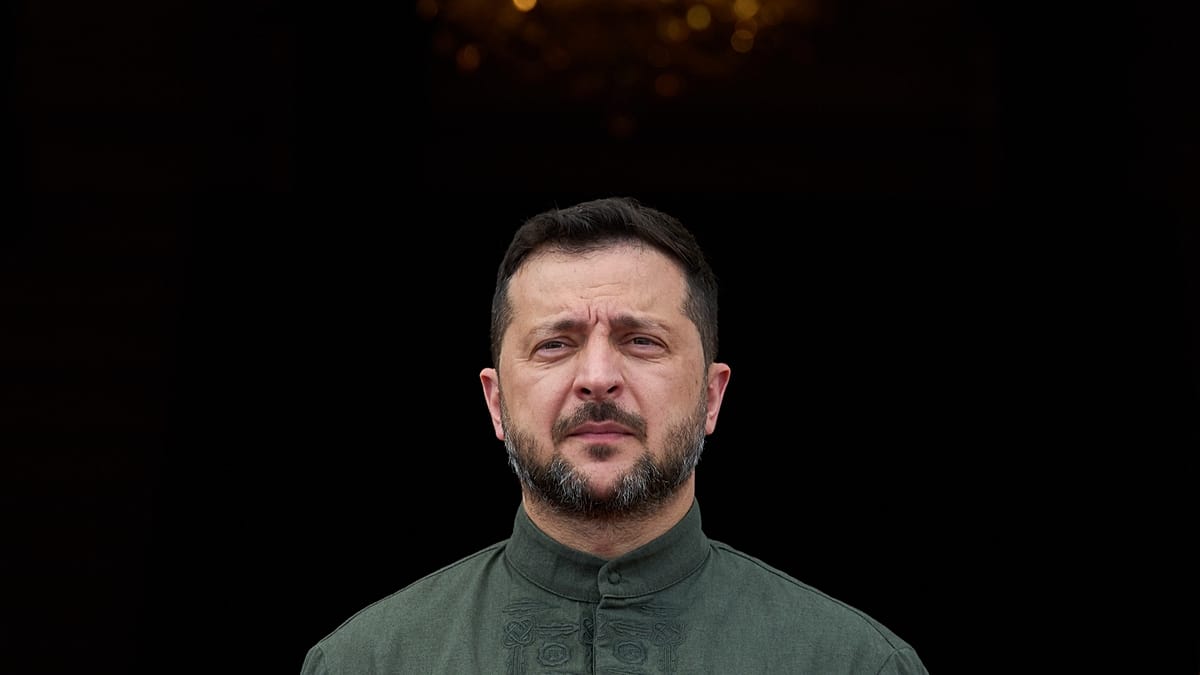
Ukrainian President Volodymyr Zelensky said Russian airspace is effectively becoming closed as Ukrainian drones strike ever deeper inside Russia, and urged airlines, insurers and anyone still using Russia's major airports to pull out. He stressed that Ukraine does not threaten civilian aviation as such, but that Russia's skies will have drones on a scale that has to be taken into account. Putin responded by calling the statement 'a declaration of state terrorism'.
Source:
Euronews · Tuesday, 1 September 2026
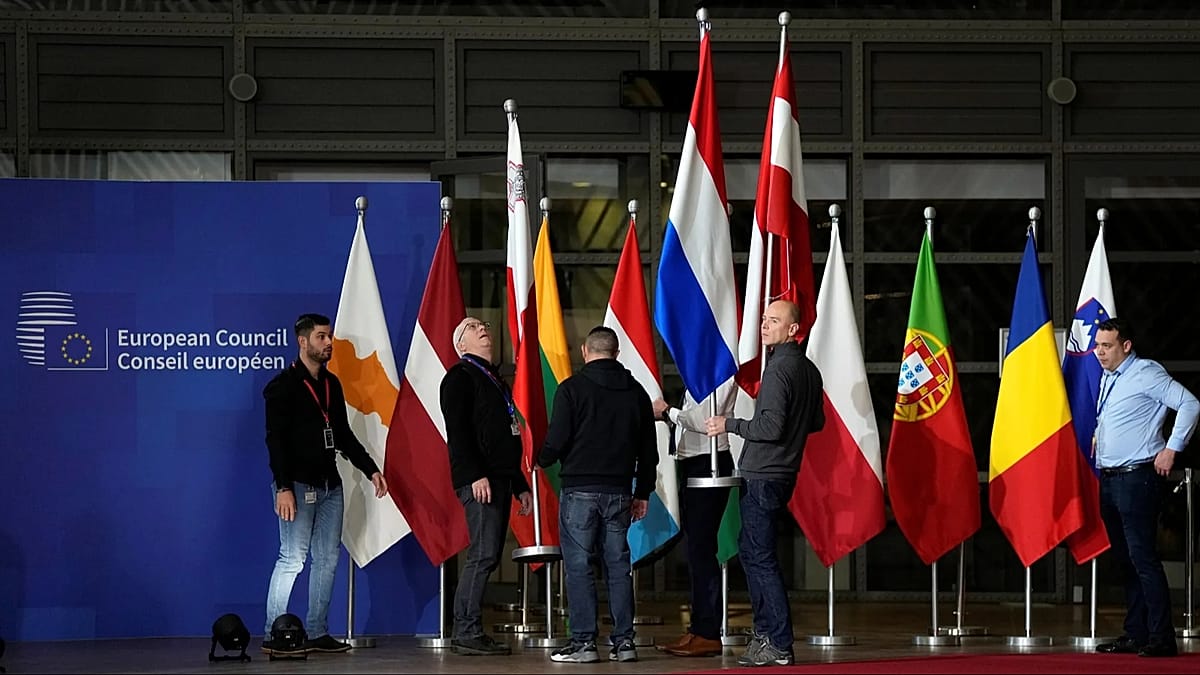
France, Germany and nine other EU states, Sweden among them, have written to foreign policy chief Kaja Kallas asking for faster and more efficient decision-making under the EU's Common Foreign and Security Policy. The letter opens the door to wider use of qualified majority voting instead of unanimity, without directly demanding a full change of system. 'We must also ensure that this culture of consensus fosters common action rather than preventing it, otherwise we will have legitimacy but no strength,' the letter states.
Source:
Euronews · Tuesday, 1 September 2026