Tunisia

Control units of the ministry of commerce and export development, working with the security services, have seized more than 147,000 litres of bottled water between mid-July and early August, and legal proceedings have been opened. The ministry cites breaches of transaction transparency and of price rules as the grounds. The shortage set in during July's heatwave, made worse by power cuts that stopped bottling lines and by the exhaustion of stocks built up over the winter.
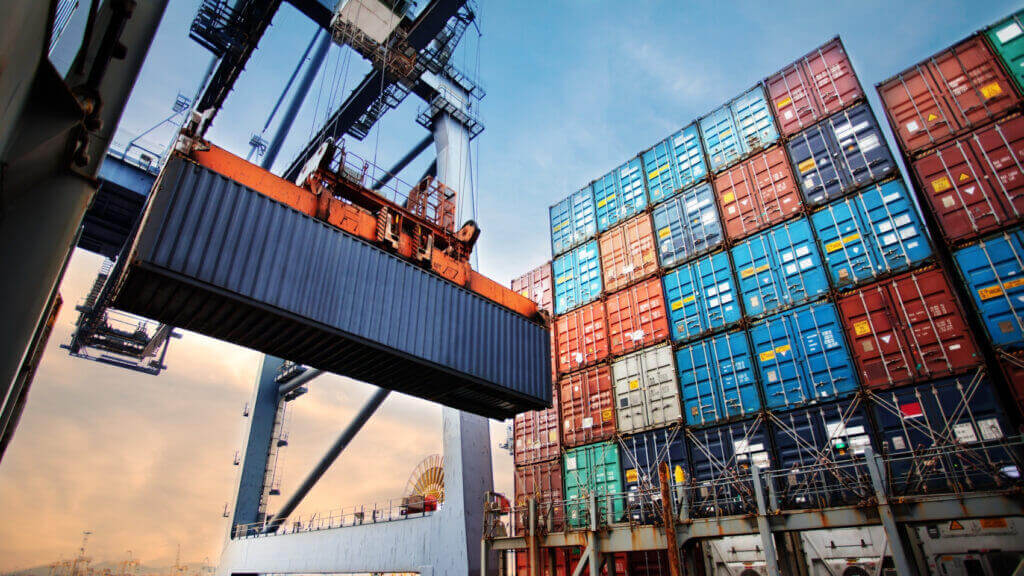
After the INS figures for July, a deficit of 14,957.6 million dinars against 11,904.2 million a year earlier, the economist Aram Belhaj warns that the picture can no longer be explained by temporary external shocks. The import cover ratio has fallen to 73.1 percent from 79.4, the energy deficit alone accounts for 7,946.1 million, and the non-energy deficit has almost doubled in two years. He writes that the deterioration calls for heightened vigilance and urgent structural reforms, and describes the central bank's administrative measures as crisis management rather than reform.
Source:
Réalités · Wednesday, 12 August 2026
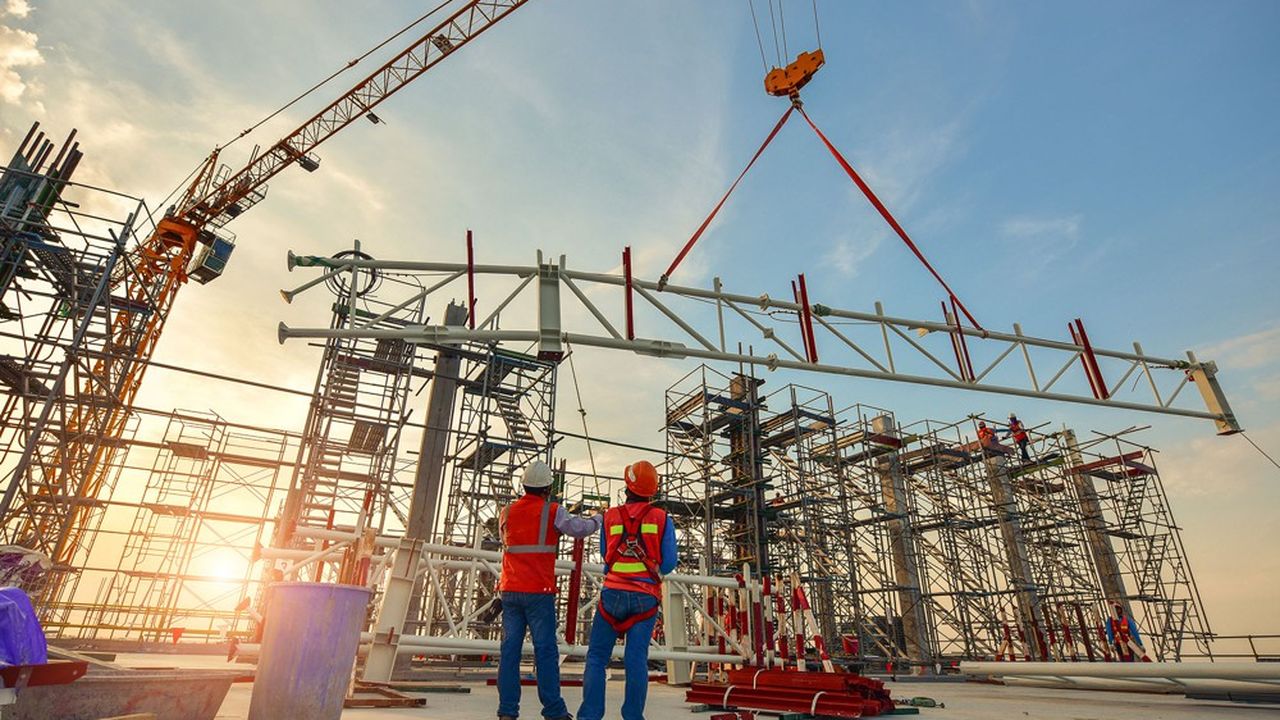
In the INS half-yearly survey of industrial company heads, the opinion balance on investment rose to 24 percent in the first half of 2026 against 21 percent in the second half of 2025, and the balance expected for the second half stands at 26 against 20. Mechanical and electrical industry drives the rise, from 35 to 48 percent. Textiles, clothing and leather have instead fallen from 2 to minus 4 percent, and chemicals slipped from 38 to 29.
Source:
Managers · Wednesday, 12 August 2026
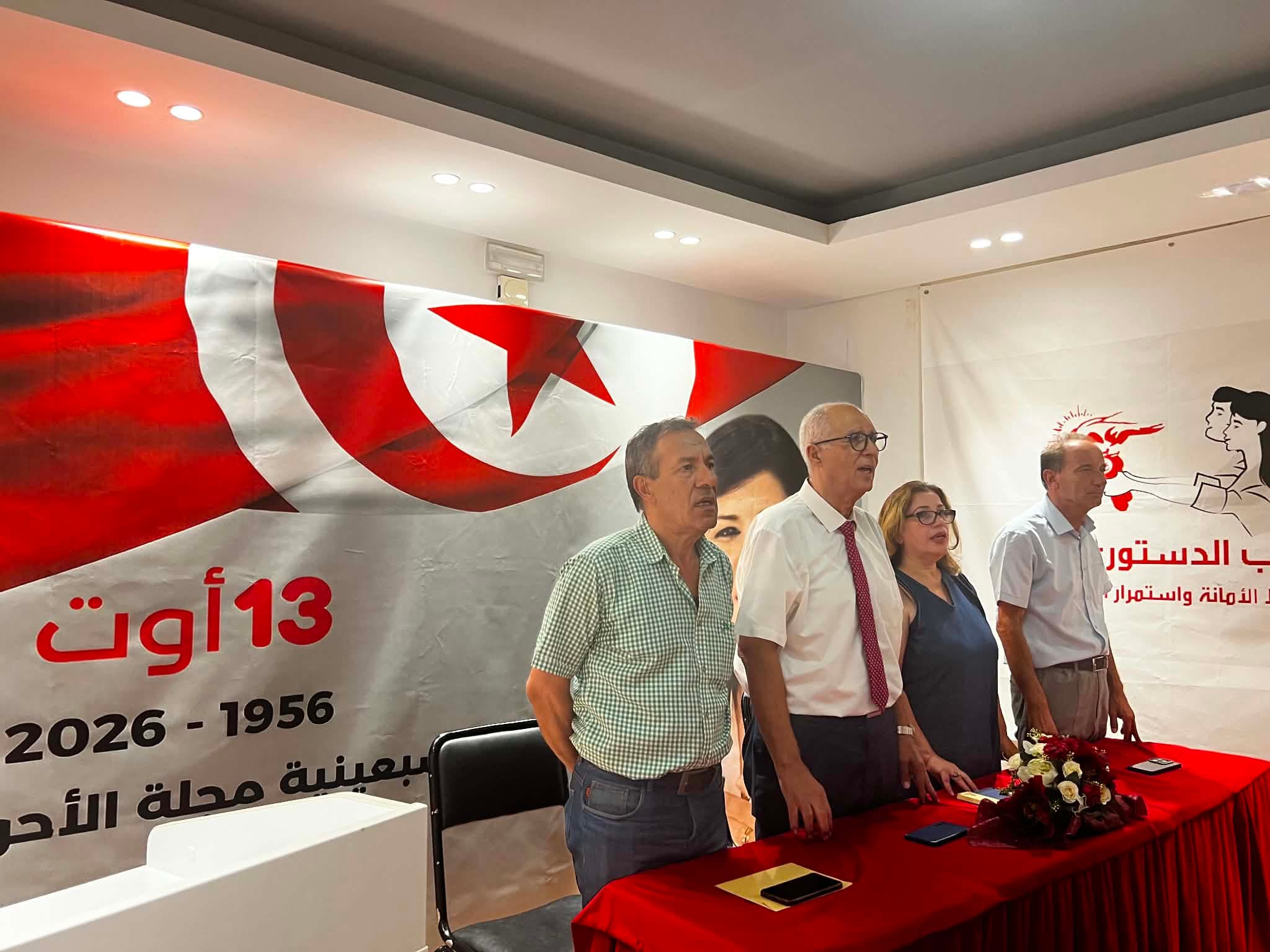
Thameur Saad, a member of the party's political bureau, told a press conference at its headquarters in Tunis on Thursday that the Free Destourian Party will hold its national congress on 3 and 4 October to elect a leadership, after completing the elections to its regional offices. He said the opening day coincides with the arrest of the party's president, Abir Moussi, on 3 October 2023, and described the party as at a decisive point in its history. The PDL's previous congress was held on 13 and 14 August 2021.
Europe
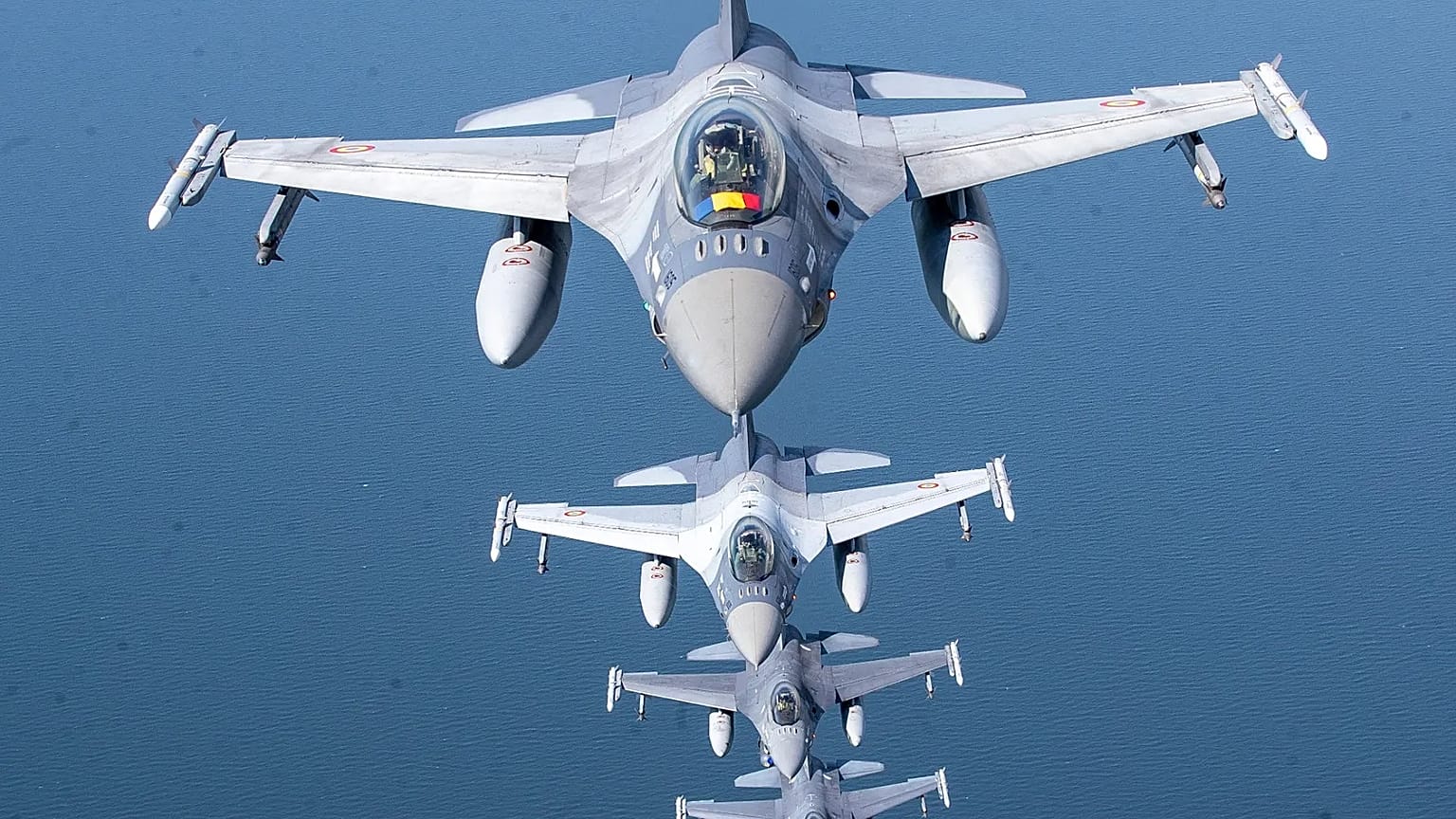
NATO ambassadors met on Wednesday and stated that "Russia bears full responsibility for the airspace violations, which are dangerous and unacceptable". Behind it are repeated drones over Romanian territory and a cruise missile that came down in Poland on 29 July about fifty kilometres from Lublin. Secretary General Mark Rutte called the incidents reckless, and Poland's defence minister Władysław Kosiniak-Kamysz said the alliance is ready for new measures along the eastern flank.
Source:
Euronews · Wednesday, 12 August 2026
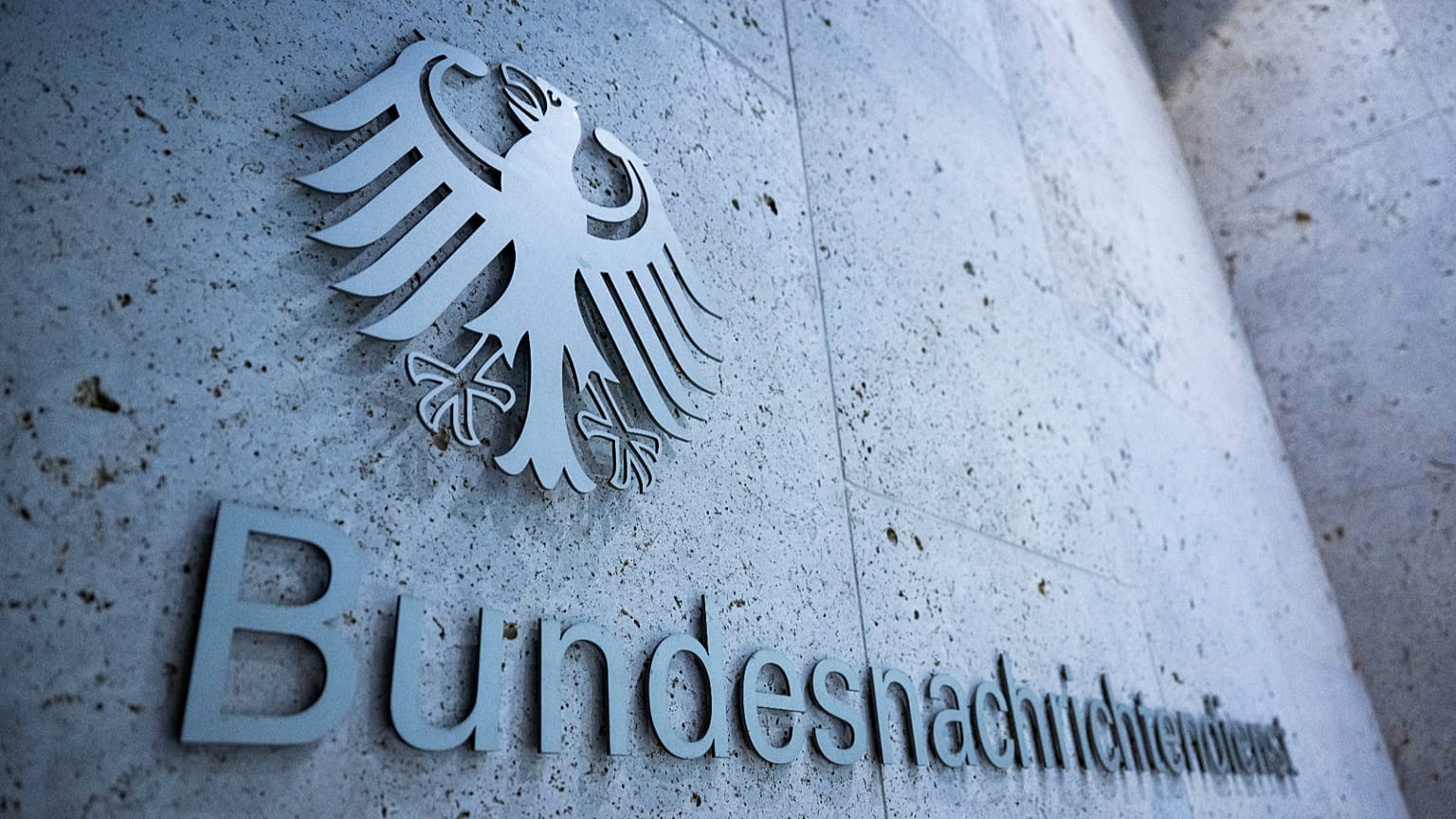
The government approved a broad reform on Wednesday letting the foreign intelligence service BND and the domestic service BfV run cyberattacks on hostile IT systems and sabotage operations abroad, with a continuing ban on lethal action. Interior Minister Alexander Dobrindt spoke of a new era, saying "we are transforming our intelligence services into genuine secret services". The Left Party and the FDP call the reform unconstitutional overreach; Clara Bünger described it as oblivious to history and irresponsible.
Source:
Euronews · Wednesday, 12 August 2026
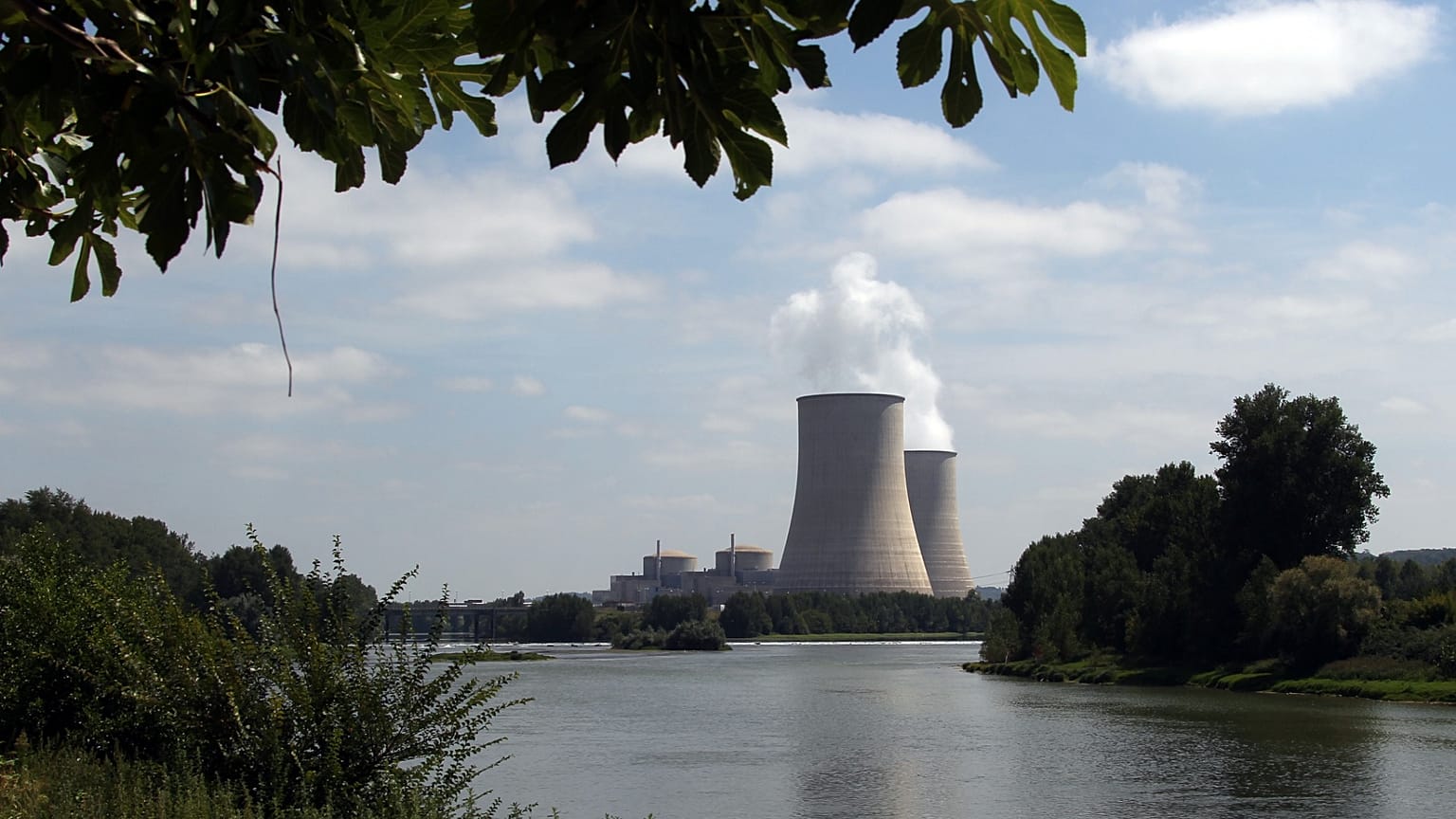
On Tuesday 20.4 percent of French nuclear capacity was unavailable, the largest shortfall on record, with 13 of EDF's 57 reactors affected: eight fully shut down and five running at reduced power. At Gravelines, Western Europe's largest nuclear plant, a swarm of jellyfish clogged the cooling pumps at five of six reactors. The other outages are down to the heat and low river flows, which limit cooling water. The energy analyst Nicolas Goldberg judges that there is enough leeway that supply is not at risk in the short term.
Source:
Euronews · Wednesday, 12 August 2026