Thursday, 6 August 2026 ··

Tunisia News

Tunisia · Europe · Geopolitics: the daily brief
Who says what · The zero-interest "honour loans"

Free credit, paid for by the banks: is decree 148 a bad idea, or an unfinished one?

Decree no. 2026-148 of 23 July, published in the official gazette on 24 July, obliges every bank to set aside at least 8% of the previous year's profit (put at roughly 120 to 129 million dinars of 2025 earnings) for loans carrying no interest, no guarantee and no file fee: up to 5,000 dinars for individuals, 10,000 for micro-project holders and 25,000 for small firms and community companies, repayable over two years. Two weeks on, banks are still not taking applications (the banking-law specialist Mohamed Nakhli estimates the first loans will be disbursed in early September) the central bank has issued no circular and has not mentioned the scheme at all while holding its policy rate at 7%, and the Tunindex fell 3.16% on 28 July, tripping a trading halt. Since then Tunisian economists, commentators and newsrooms have been arguing, not really about whether cheap credit is good, but about who pays for it and whether the text can work at all.

Read the full comparison →

Tunisia

Tunisia's inflation eases to 5.1 percent in July, but food prices keep climbing

Tunisia's inflation eases to 5.1 percent in July, but food prices keep climbing

The national statistics institute INS reported on August 5 that consumer prices rose 5.1 percent year on year in July, down from 5.3 percent in June and the third consecutive monthly decline, with core inflation excluding food and energy easing to 4.8 percent. Food and beverages still rose 6.6 percent, driven by mutton (+16.7 percent), fresh fruit (+13.8 percent), beef (+13.7 percent) and poultry (+12.5 percent). The gap between unregulated prices (+6.2 percent) and administered ones (+1.1 percent), 7.4 versus 0.2 percent for food, shows how much of the disinflation rests on subsidies the state budget is increasingly struggling to carry.

Tunisia's government sets out 2027 budget guidelines under the banner of self-reliance

Tunisia's government sets out 2027 budget guidelines under the banner of self-reliance

Prime Minister Sara Zaâfrani Zenzri chaired a restricted ministerial council at the Kasbah on August 4 that set the main lines of the draft 2027 finance law: strategic security in food, water, energy and pharmaceuticals, restructuring of state-owned enterprises, fiscal equity, and measures to bring the informal sector into the formal economy. Finance Minister Mishkat Salama El Khaldi presented an assessment of 2026 budget execution and the macroeconomic outlook for 2027. The budget is being drafted within the 2026-2030 development plan and President Kaïs Saïed's doctrine of "relying on oneself", Tunisia still has no IMF programme and must meet its financing needs on the markets and through the central bank.

Hundreds of Tunisians stranded at the Ras Jedir crossing with Libya

Hundreds of Tunisians stranded at the Ras Jedir crossing with Libya

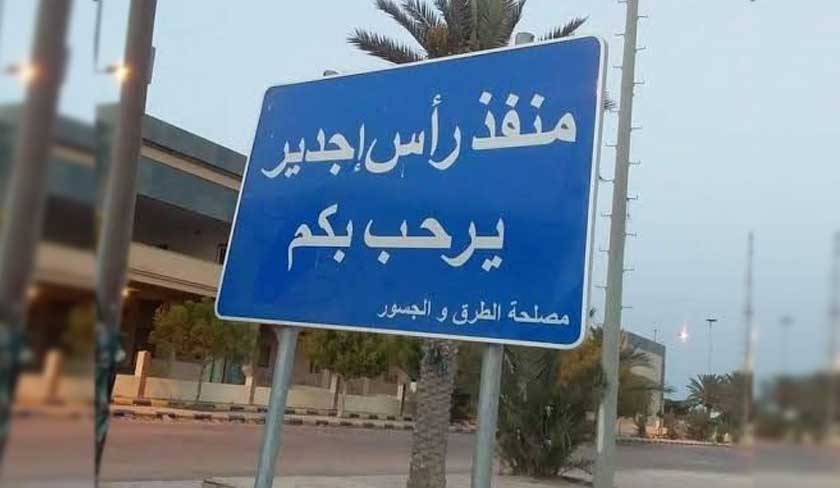
Since Sunday, August 2, hundreds of Tunisians have been stuck on the Libyan side of the Ras Jedir crossing, according to Mostafa Abdelkebir, head of the Tunisian Observatory for Human Rights, who described elderly travellers left without water or shade in the summer heat after three to four days of waiting. On August 4 he said traffic was gradually improving following contacts with Libyan counterparts, which local Libyan sources corroborated. Ras Jedir is the main land link between the two countries and a lifeline for commerce in southern Tunisia; the recurring shutdowns and tit-for-tat detentions of traders underline that Tunis still lacks a working border arrangement with a neighbour that has no stable central authority.

Geopolitics

North Korean missile unit deploying to western Russia, Ukrainian intelligence says

North Korean missile unit deploying to western Russia, Ukrainian intelligence says

Ukraine's military intelligence says around 90 North Korean personnel are being embedded in Russia's 112th Missile Brigade in the Voronezh region and could field 120 KN-23 and KN-24 ballistic missiles with six launchers for strikes on Ukraine. It would mark a new stage in Moscow-Pyongyang military cooperation and complicates Western sanctions and non-proliferation diplomacy in both Europe and Asia.

Lebanon and Israel remain split over Hezbollah disarmament at Rome talks

Lebanon and Israel remain split over Hezbollah disarmament at Rome talks

A second day of US-brokered direct talks in Rome sought agreement on a further Israeli withdrawal from southern Lebanon and a second so-called pilot zone, possibly around Bint Jbeil or Khiam, but the sides remain divided over disarming Hezbollah, whose leader Naim Qassem has denounced the negotiations. The process, building on June's Washington framework, is one of the few active tracks toward stabilising the Israel-Lebanon frontier.

Europe

EU channels 1.4 billion euros in frozen Russian asset profits to Ukraine

EU channels 1.4 billion euros in frozen Russian asset profits to Ukraine

The Commission announced on August 5 the fifth transfer of windfall profits from some 210 billion euros in immobilised Russian central bank assets: 70 million euros for military assistance via the European Peace Facility and 1.33 billion euros to service G7 and EU loans through the Ukraine Loan Cooperation Mechanism. The transfer, coming days after the deadly strikes on Kyiv, brings total windfall proceeds mobilised since 2022 to about 8 billion euros and keeps the use of Russian assets central to EU sanctions policy.

Russian barrage kills 17 in Kyiv region as Ukraine's air defences fall short

Russian barrage kills 17 in Kyiv region as Ukraine's air defences fall short

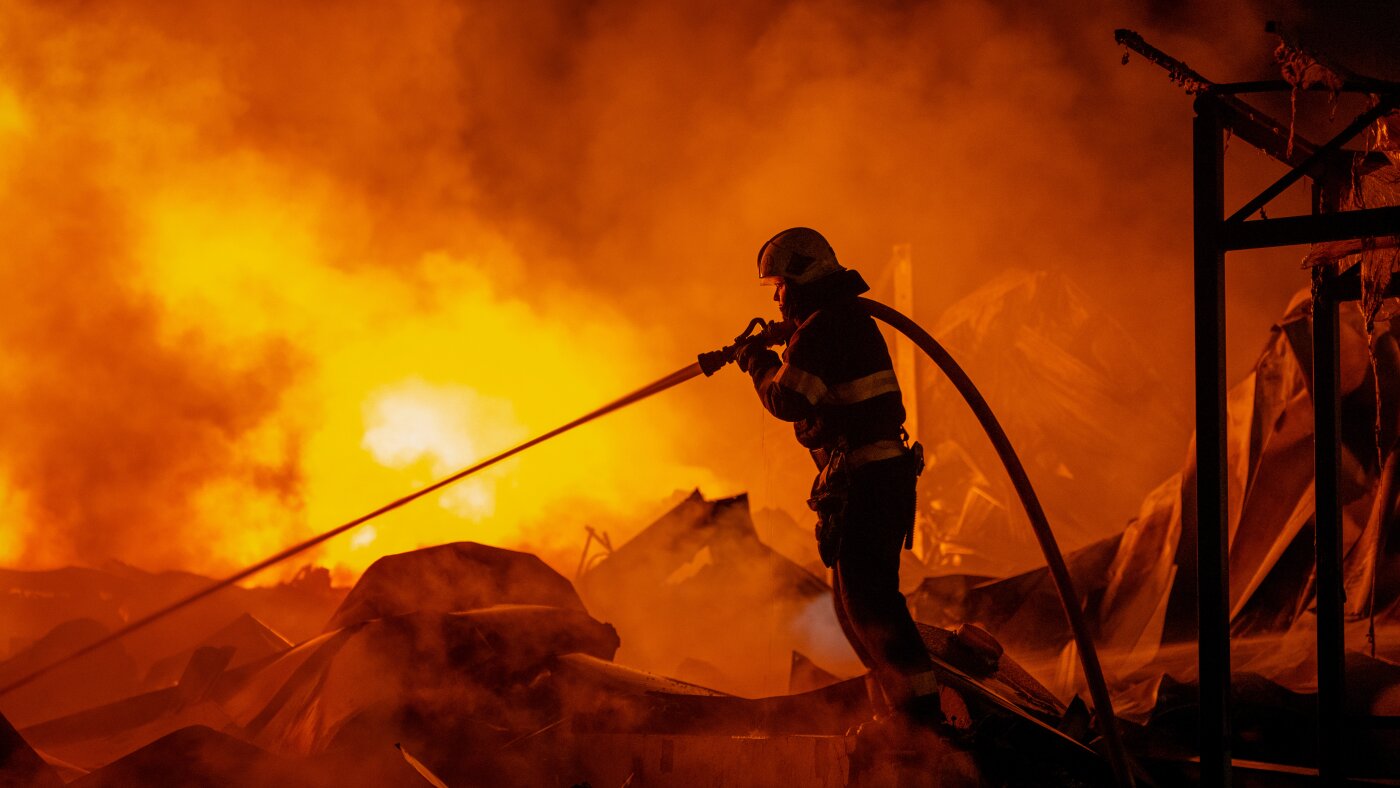
Overnight strikes with 28 missiles, 24 of them ballistic, and 115 drones killed at least 17 people, including eight waiting for a train just outside the city; Ukrainian defences intercepted none of the incoming missiles. It was the third major attack on the capital region in roughly a week and lays bare Kyiv's depleted interceptor stocks, sharpening pressure on Western partners over Patriot supplies and expanded production.

Italy suspends free movement with Spain as Ceuta crisis strains Schengen

Italy suspends free movement with Spain as Ceuta crisis strains Schengen

After tens of thousands of people crossed from Morocco into the Spanish enclave of Ceuta in late July, with at least 72 deaths reported, Italy reintroduced controls on air and sea arrivals from Spain, and several member states are calling for Madrid's suspension from Schengen. The Commission has not moved to trigger any formal procedure, but the dispute is testing both the new Migration Pact and the cohesion of the free-movement area.

Brussels accuses Temu of obstructing foreign-subsidies inspection in Dublin

Brussels accuses Temu of obstructing foreign-subsidies inspection in Dublin

The Commission has sent Temu a statement of grounds alleging the company failed to comply with several information requests during an unannounced December 2025 inspection of its Dublin European headquarters under the Foreign Subsidies Regulation; Temu rejects the allegations and says it cooperated fully. A finding of obstruction could carry a fine of up to 1 percent of global turnover, marking a further escalation of the EU's enforcement drive against Chinese e-commerce platforms.

Topics