Tunisia
The board of the Central Bank of Tunisia left the policy rate unchanged at 7.00 percent on July 29, judging inflation risks still high enough to warrant caution: headline inflation fell to 5.3 percent in June, but core inflation excluding fresh food and administered prices held at 5 percent for a third consecutive month. The communiqué flags a sharply wider external gap, a current account deficit of 4.241 billion dinars (2.3 percent of GDP) in the first half of 2026 against 2.844 billion (1.6 percent) a year earlier, driven by a record energy bill of 8.502 billion dinars at end-June. After July's repayment of a 700-million-euro Eurobond, net foreign assets stood at 23.4 billion dinars, or 92 days of imports, on July 28, leaving the reserve cushion dependent on tourism and remittances rather than on any external programme.
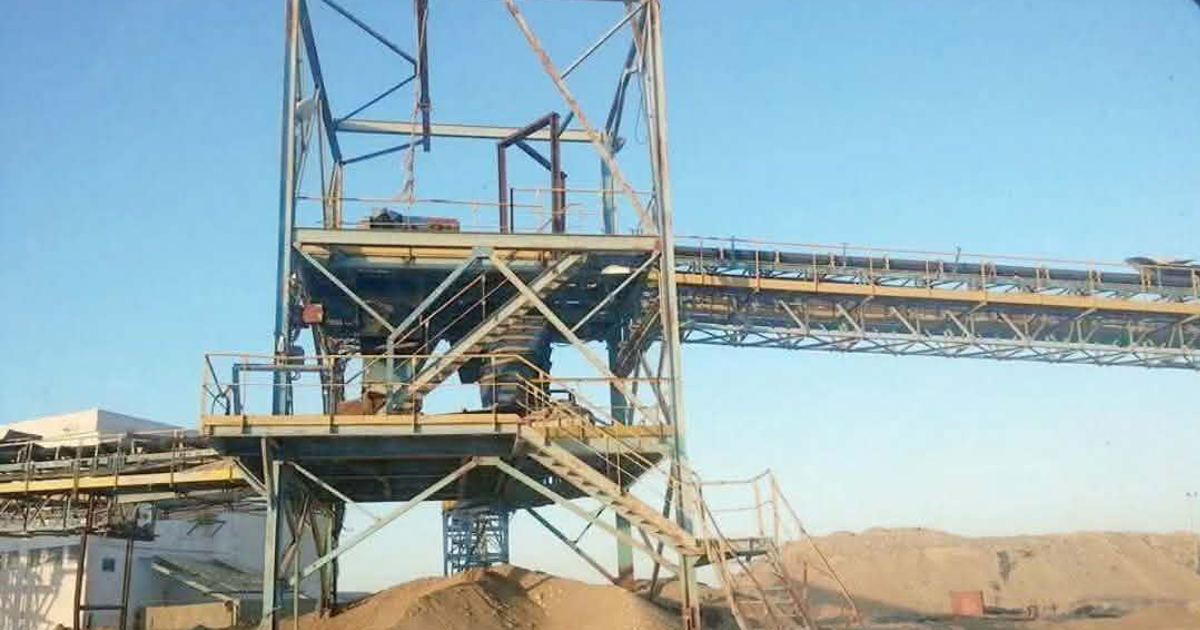
The Assembly of the Representatives of the People approved on July 28, by 58 votes to 13 with 9 abstentions, the bill guaranteeing a 110-million-euro loan from the European Bank for Reconstruction and Development to the Compagnie des phosphates de Gafsa, signed in November 2025 and repayable over ten years with a three-year grace period, alongside a 7-million-euro grant. Economy and Planning Minister Samir Abdelhafidh said the money buys mining equipment and builds the Capsa wastewater treatment plant, aiming to lift extraction capacity by around 30 percent and raise industrial water reuse from 60 to 90 percent. Phosphates were Tunisia's export mainstay before 2011 and output has never recovered; with no IMF programme in place, concessional lenders such as the EBRD and the World Bank are now the main source of borrowed foreign currency.
After weeks of rolling cuts imposed by the utility Steg during a heatwave that pushed temperatures towards 50C, Kapitalis reported on July 30 on the reform package now under way: a 360 MVA transformer commissioned at the Mornaguia substation with a 400 MVA unit to follow, plus an energy-sector regulator, IFRS accounts for Steg, tighter bill collection, an initial 150,000 smart meters and a north-south transmission corridor. The measures are tied to a 384.8-million-euro World Bank loan and a 30-million-dollar Clean Technology Fund credit whose state guarantees parliament approved on July 14. Tunisia imports some 80 percent of the gas it burns and pays about 3 billion dinars a year in electricity subsidies, so the grid is simultaneously a fiscal problem, an energy-security problem and now a political one.
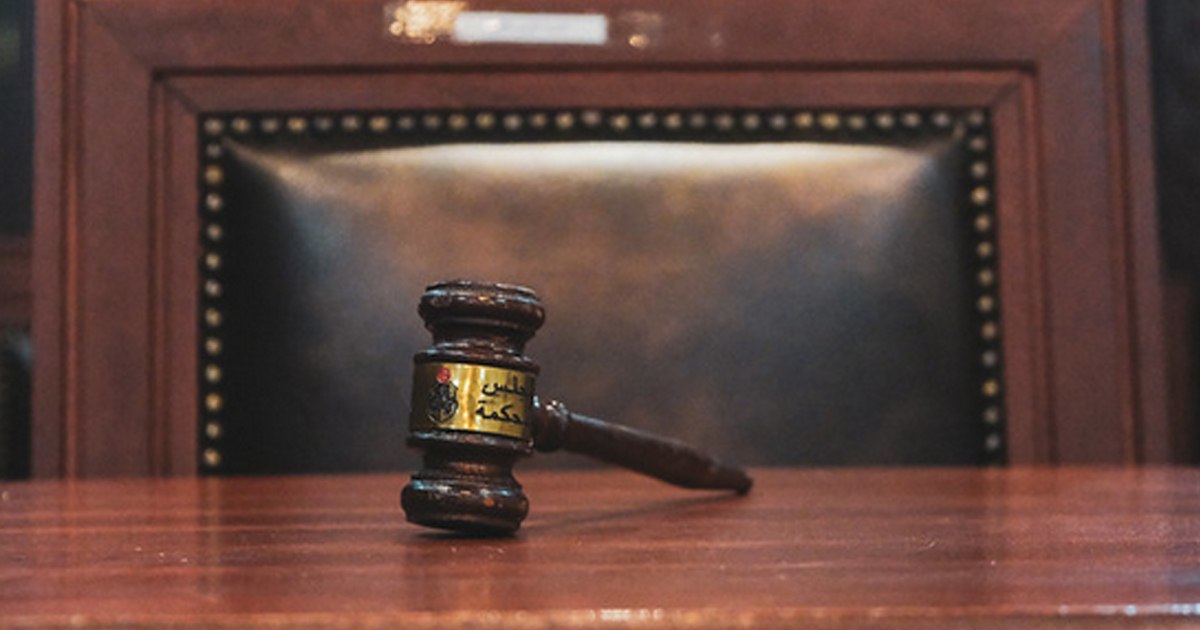
The interim-relief chamber of the Tunis court of first instance put off to August 24 the case brought by the state litigation service against Mnemty, the anti-racism association founded by Saadia Mosbah, whose activities are already suspended and whose dissolution the state is seeking. Mosbah's eight-year sentence for money laundering and "illicit enrichment" (charges Amnesty International ties to the group's human rights work) was upheld on appeal on June 23. The Taqatoa rights coalition said on July 28 that the serial adjournments are themselves the effect: they keep associations tied up in court and unable to operate, making the procedure an instrument in its own right rather than a step towards a ruling.
Geopolitics
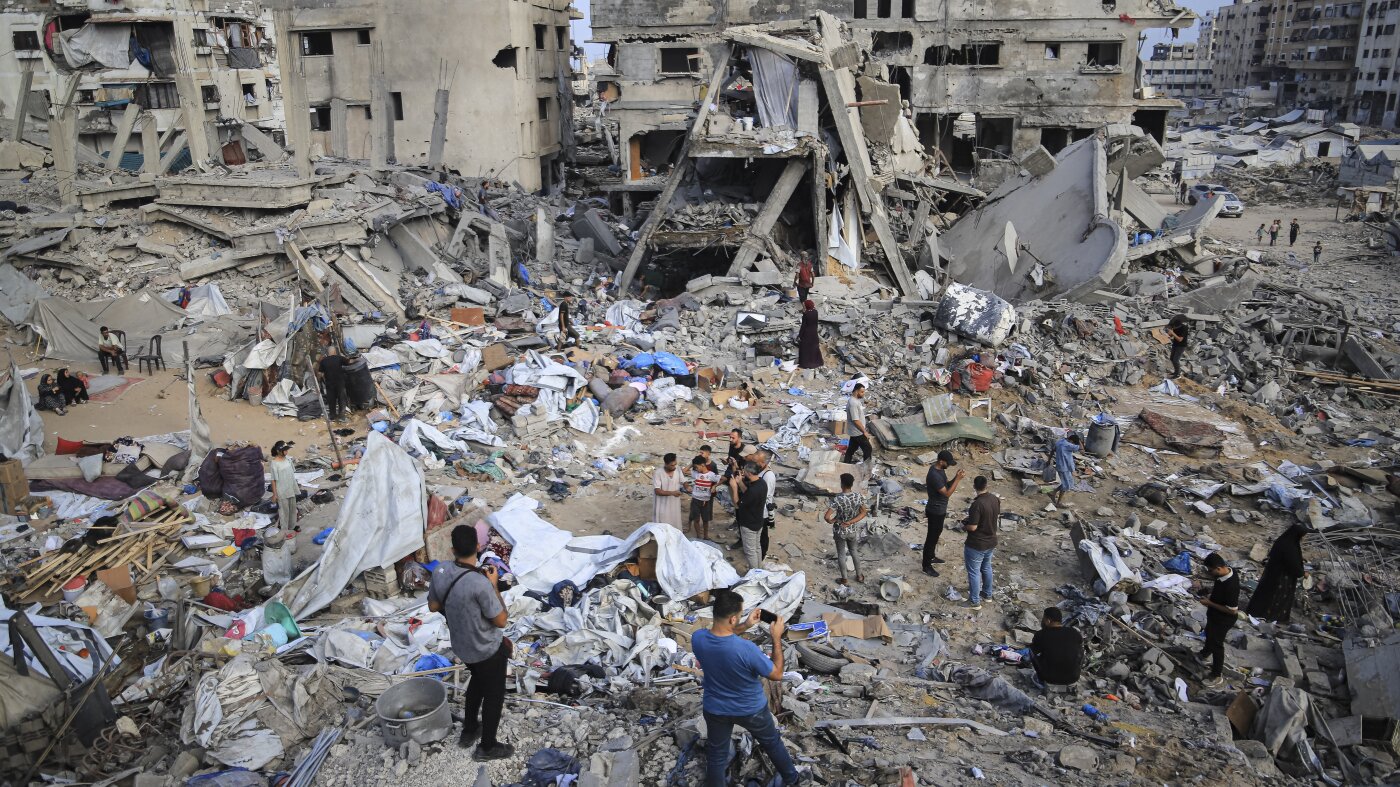
President Donald Trump said late on July 30 that his Board of Peace had reached an agreement on the "complete disarmament" of Hamas and all other armed groups in Gaza, with Israeli forces withdrawing as disarmament proceeds, alongside an International Stabilization Force and a new Palestinian police service. A senior Hamas official told NPR that Israel must first meet its obligations under the first phase of the ceasefire, withdrawal included. Israeli Prime Minister Benjamin Netanyahu did not react immediately; Trump said Türkiye, Egypt and Qatar had mediated the agreement.
Source:
NPR · Friday, 31 July 2026
Iran's army said on July 31 that it had used drones against aircraft shelters, satellite communications and storage buildings at the US Ahmad al-Jaber Air Base in Kuwait, and the day before against US facilities at Sheikh Isa Air Base in Bahrain. The strikes followed a "heavy wave" of US attacks on Revolutionary Guard targets across Iran, completed on Wednesday. Egypt said in the same period that a drone had hit two ships at its Mediterranean port of Damietta, the first attack on Egyptian soil since the US-Iran war began in late February, which Verisk Maplecroft analyst Hamish Kinnear said shows the Suez Canal is a plausible target too.
Source:
CNBC · Friday, 31 July 2026

The Senate advanced the "Lindsey O. Graham Sanctioning Russia Act of 2026" this week by 86 votes to 12, sending it to the House of Representatives, which is in summer recess. The bill would let the president use the IEEPA statute to impose tariffs of up to 100 percent on imports from the five largest purchasers of Russian energy and up to 500 percent on imports directly from Russia, while sanctioning Vladimir Putin, more than twenty senior officials and Russia's shadow fleet of oil tankers. China, India and Türkiye are among the biggest buyers of Russian energy according to data compiled by the research centre CREA, and Trump has demanded that the bill also cover tariffs tied to Iran, which analysts think could delay it.
Europe

Between 50,000 and 60,000 people crossed by land and sea from Morocco into the Spanish exclave of Ceuta on July 30, and the death toll rose to 67, most of them drownings. In a letter widely quoted in European media, Prime Minister Pedro Sánchez condemned the "selfish, polarising and unlawful reaction" of other EU states, after Italy placed temporary controls on travel from Spain, Giorgia Meloni called for Spain's Schengen membership to be suspended and French Interior Minister Laurent Nuñez ordered extra checks on the shared border. The crossings followed a Spanish Supreme Court ruling that migrants arriving by sea cannot be summarily expelled, a decision experts describe as very narrow and probably misread.
Source:
CNN · Friday, 31 July 2026

Eurostat's flash estimate of July 31 puts euro area annual inflation at an expected 2.9 percent in July, up from 2.8 percent in June. Energy had by far the highest annual rate, 10.0 percent against 8.5 percent in June, followed by services at 3.3 percent, while food, alcohol and tobacco slowed to 1.2 percent. Core inflation excluding energy, food, alcohol and tobacco rose at the same time to 2.5 percent from 2.4, which means the pickup is not an energy effect alone.
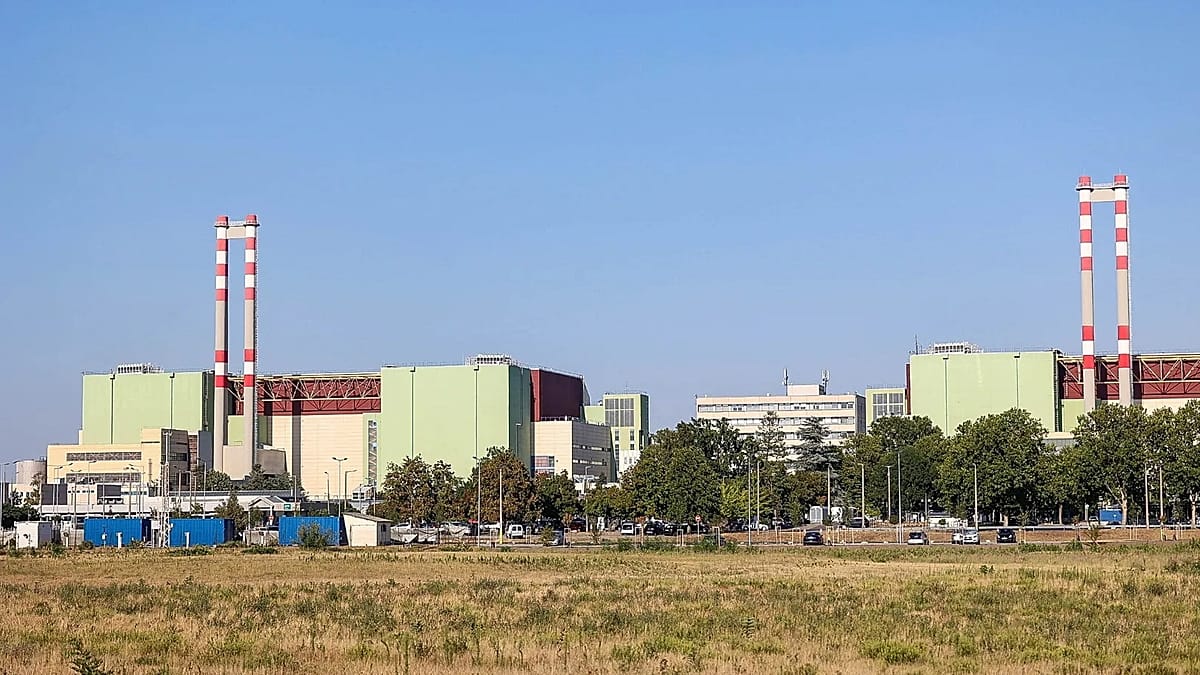
The Paks nuclear plant, which supplies almost half of Hungary's electricity, was taken offline after record-low water levels in the Danube knocked out its cooling, the first complete shutdown in the plant's 42 years. Commission spokesperson Anna-Kaisa Itkonen said on July 31 that the Commission stands ready to convene an ad hoc meeting of the Electricity Coordination Group, since an event of this kind could further strain the regional electricity balance. Prime Minister Péter Magyar warned of an energy crisis as early as next week, said 2,000 megawatts would be lost from Monday, and asked households and businesses to cut consumption between 5pm and 10pm.