
On Saturday, July 25 (exactly five years after President Kaïs Saïed suspended parliament and moved to rule by decree) demonstrators marched from Republic Square to the Municipal Theatre along Habib Bourguiba Avenue chanting "leave" and "freedom, work, national dignity". The rally was called by Nafas, an umbrella grouping opposition parties and independent figures; spokesmen for the Jomhouri and Ennahdha parties said the turnout now reaches well beyond the traditional opposition to citizens angry about prices and collapsing public services. Saïed maintains that his measures target corruption and chaos and that no rights or freedoms have been curtailed.
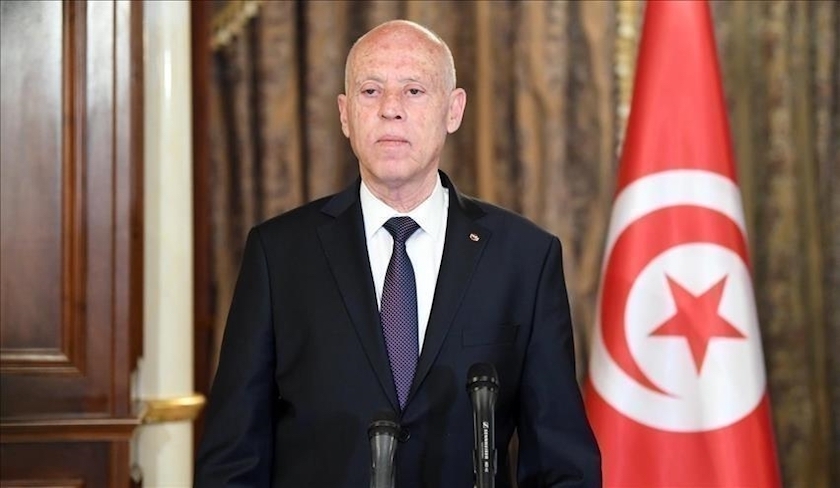
For the Republic's 69th anniversary on July 25 the head of state delivered no speech and sent no official message to Tunisians, Business News noted: as he had also skipped his Eid al-Adha greetings, breaking with a well-established political tradition. Since 2021 Kaïs Saïed has communicated almost entirely through videos posted on the presidency's Facebook page during meetings and field visits, while set-piece addresses have grown rarer each year. The silence falls amid rolling electricity and water cuts in a record heatwave, which makes the absence of any official acknowledgement of the crisis politically loaded.

Presidential decree 2026-148 of July 23, published in the official gazette JORT No. 75 on July 24, sets the terms of the "honour financing" lines: every bank must set aside at least 8 percent of its annual profit for loans carrying no interest and no collateral, applying article 412 ter of the commercial code introduced by Law 2024-41. Ceilings are 25,000 dinars for SMEs and community companies, 10,000 for micro-project holders and 5,000 for individuals; banks have ten working days to rule on an application, must justify any refusal, may charge no study fees, and must reserve at least half the line for small businesses and community companies, funded from 2025 profits. African Manager notes the text provides no recovery route if borrowers default, pushing a social-policy cost onto bank balance sheets.