Tunisia
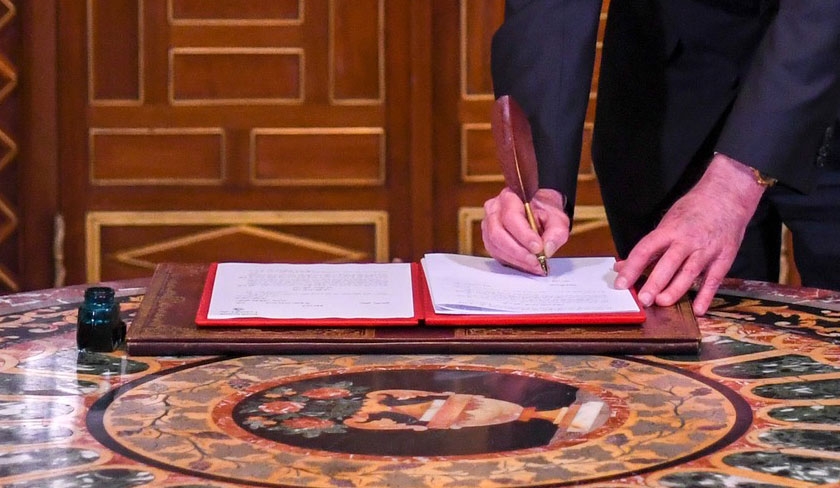
Two decrees dated July 20 and published in the official gazette (JORT) of July 21 ratify the guarantee conventions Tunisia signed on November 3, 2025 with the International Bank for Reconstruction and Development: a 384.8-million-euro loan to the power utility STEG and a further 30 million dollars routed through the Clean Technology Fund, both for a programme to improve the reliability, efficiency and governance of the energy sector. The decrees implement laws 2026-14 and 2026-15, passed after a last-minute postponement of the bills in the assembly that several deputies called a "scandal", accusing speaker Brahim Bouderbala of trying to shape the outcome in the absence of some members. The money arrives during a heatwave in which STEG is running rolling cuts nationwide, making the terms on which the state electricity monopoly is recapitalised a live political question.

The latest Central Bank of Tunisia (BCT) indicators put foreign-currency reserves at 22.7 billion dinars on July 20, about 90 days of imports: down 487 million dinars, the equivalent of eleven days of cover, from the same date in 2025, after the state repaid a 740-million-euro external maturity (roughly 2.499 billion dinars) during July. Two inflows are cushioning the fall: tourism receipts reached 3.681 billion dinars by July 20, up 158 million year on year, and transfers from Tunisians abroad passed 4.7 billion dinars, up 230 million. The arithmetic shows how narrowly Tunisia is now financing itself, holidaymakers and the diaspora are covering what external borrowing no longer does.

According to a presidency statement, Kaïs Saïed received Prime Minister Sarra Zaâfrani Zenzri, Economy and Planning Minister Samir Abdelhafidh and central bank governor Fethi Zouhair Nouri at Carthage on Monday to review the newly promulgated law approving the 2026-2030 development plan. He said the debt had "accumulated without the Tunisian people benefiting from it", stressed that Tunisia had honoured every commitment with no arrears, and called for the burden to be converted into a lever of investment to rebuild public services. The wording is in effect the government's opening position for any future renegotiation, even as the same week brought fresh borrowing from Afreximbank and the World Bank rather than an IMF programme.

The Sousse branch of the Tunisian Human Rights League (LTDH) said on July 21 that one of its delegations had been refused entry to Messadine civil prison in Msaken on the grounds that a justice ministry authorisation was required, a condition the league says does not appear in the 2015 memorandum of understanding governing its prison visits, and which it calls an unjustified restriction. The branch said it had received several requests to visit concerning situations it described as critical. The refusal came three days after the prisons directorate categorically denied social-media claims of a fire and suffocation cases at the same facility, leaving conditions inside during a record heatwave without any independent check.