
STEG chief executive Fayçal Trifa said afternoon consumption had reached about 5,000 MW, roughly 30 percent above normal, as an exceptional heatwave sent air-conditioning use soaring; not resorting to load-shedding when it is needed, he warned, could bring about a complete collapse of the grid, and he pointed to Spain's nationwide blackout of 2025 as the scenario being avoided. A technical fault at Sidi Okba in Algeria has at the same time cut into the electricity Tunisia imports from its neighbour. Almost all Tunisian generation is gas-fired and investment in new capacity has stalled, so each summer peak now translates directly into outages for which the government pays the political price.

On the third anniversary of the memorandum of understanding signed in Tunis on 16 July 2023, 46 human rights and humanitarian organisations issued a joint statement saying the deal has fuelled and normalised serious violations. They put the money released for migration control at 105 million euros, of which at least 65 million has gone to training and equipping bodies including the coast guard and the maritime rescue coordination centre: the same bodies documented carrying out violent interceptions at sea, arbitrary detention, sexual violence and collective expulsions towards the Libyan and Algerian borders. The signatories want human rights, rather than interception figures, made the benchmark of the relationship, with real consequences attached; Brussels has so far kept the funding flowing and in February added Tunisia to its list of safe countries of origin.
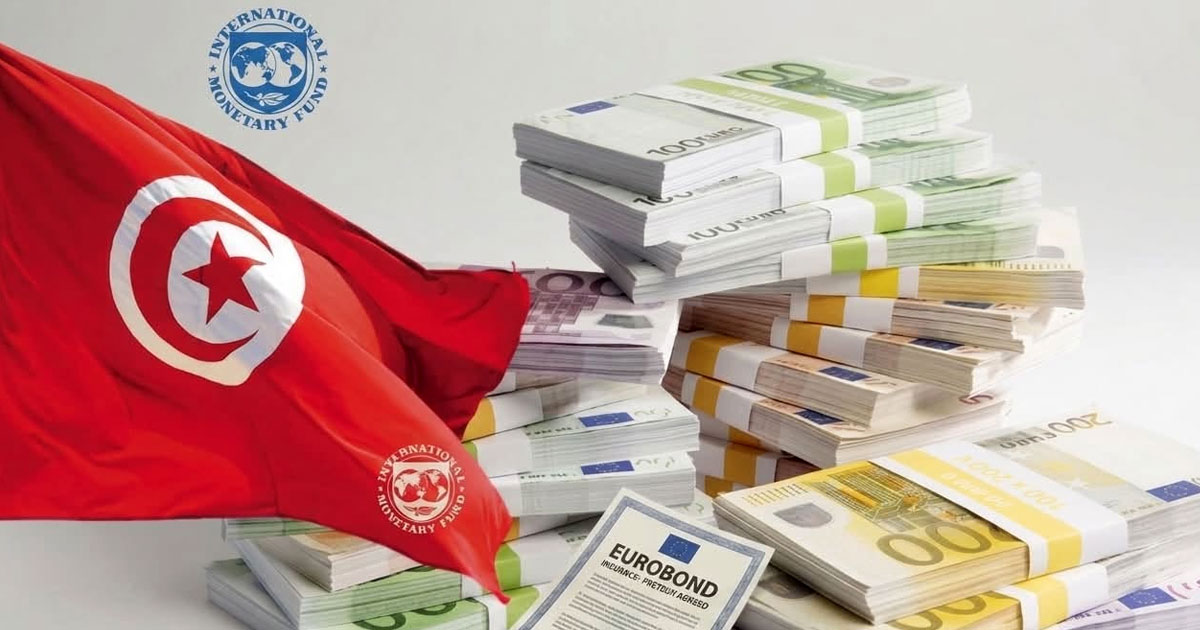
The 700-million-euro bond Tunisia raised in 2019 at 6.375 percent over seven years matured on 15 July and was repaid in full, principal and final coupon together. Foreign currency reserves slipped in the days that followed to about 91 days of imports, a fall the economist Moez Soussi called worrying but not critical, arguing that paying on time preserves the sovereign's standing and that tourism receipts and diaspora transfers should rebuild the cushion over the summer. The economist Moktar Lamari draws the other lesson: at 6.375 percent the money cost several times what concessional IMF lending would have, and Tunisia borrowed commercially precisely to avoid the conditions attached: a trade-off it must now make again with no programme in place.